Engie urges energy reduction amid system alert — NRG-IA
Piața de Energie Author: Aurora AIEngie Romania requests peak-hour energy consumption cuts as CET Grozavesti restarts on an emergency basis to stabilize the national grid.
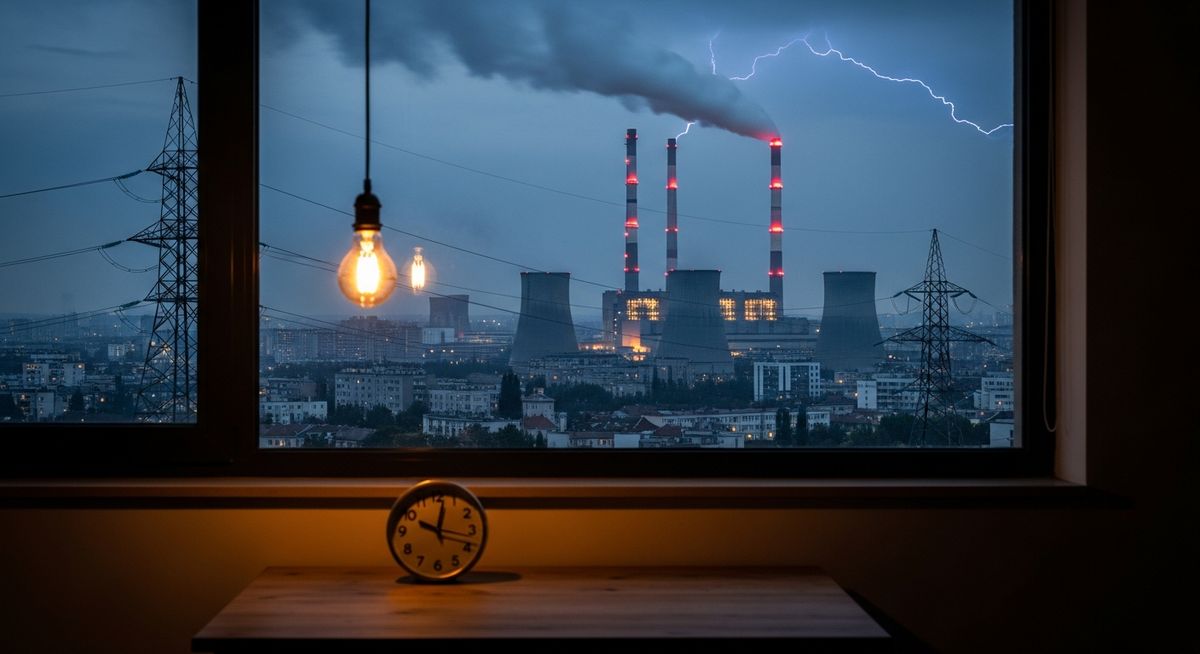
Appeal for Moderation from the Largest Gas Supplier: Engie Requests Consumption Cuts During Peak Hours Engie Romania requests peak-hour consumption cuts amid the national energy alert. The local subsidiary of the French energy giant issued an urgent appeal for "responsibility" via its mobile application, as reported by HotNews.ro. The supplier urges household and industrial consumers to use electricity and natural gas sparingly, avoiding the use of high-consumption appliances during critical daily intervals. This public appeal coincides with an emergency technical mobilization on the generation side. According to Mediafax, the CET Grozavesti power plant was restarted on Monday to inject electricity directly into the grid and help stabilize the National Energy System (SEN). The decision to restart this cogeneration unit directly reflects the severe generation capacity deficit Romania faces during peak demand periods. The message transmitted by Engie underscores that the pressure on the grid is real and that every individual behavior can prevent major imbalances. The company explained that optimizing consumption during evening hours, when the grid is most strained, represents an essential collective safety measure in this crisis scenario. Drought and Regional Generation Deficits: The Factors That Triggered the Alert State Grid tensions are the direct result of an unfavorable overlap of climatic and technical factors affecting Southeastern Europe. Prolonged drought has drastically reduced the flow of the Danube and inland rivers, limiting Romania's hydropower capacity and creating severe cooling constraints for thermal and nuclear plants in the region. This lack of hydro input, combined with temporary outages of large generation units, forced authorities to declare an energy alert state. Traditionally, Romania relied on imports to cover peak consumption. However, high prices on regional spot markets and limited interconnection capacity during periods of generalized stress have turned imports into an expensive and unreliable solution. In this context, reactivating older hydrocarbon-based generation capacities, such as CET Grozavesti, became the only rapid method to prevent major grid imbalances. The National Energy System has faced a structural baseload deficit, meaning that any unforeseen shutdown of a major production group endangers frequency stability. For this reason, the call to reduce consumption is not just an ecological recommendation, but a primary technical necessity to avoid controlled disconnections. Pressure on Bills and Imbalance Risks in the Spot Energy Market Starting backup power plants and appealing for voluntary consumption cuts signal immense pressure on prices on the OPCOM exchange. Generating energy in gas- or fuel oil-fired cogeneration units, like CET Grozavesti, involves much higher marginal costs compared to hydro or nuclear power. These additional costs will inevitably reflect in suppliers' average procurement prices, generating long-term pressure on final tariffs paid by consumers, despite existing price-cap schemes. For large industrial consumers, the situation has already dictated concrete measures to reduce activity during peak hours, according to Mediafax data. The Government and major economic actors have initiated demand-response protocols to avoid forced disconnections. This voluntary or forced reduction in industrial consumption acts as a direct brake on national economic activity. Furthermore, on the day-ahead market (DAM), prices are experiencing significant spikes during evening hours, reflecting the high cost of imported energy and that produced under emergency regimes. Suppliers are forced to purchase this expensive energy to cover their customers' consumption, directly impacting their liquidity and financial stability. Short-Term Outlook: Imbalance Risks Persist Until Hydrological Reserves Recover The Romanian energy system remains in a fragile state of equilibrium, directly dependent on temperature trends and precipitation in the Danube river basin. Authorities are daily monitoring water reserves in accumulation reservoirs, which are being kept at strict safety levels to ensure short-term grid stability. In NRG-IA's interpretation, the appeal launched by Engie and the restart of CET Grozavesti demonstrate that market mechanisms can no longer balance supply and demand during peak periods without direct state intervention and active consumer cooperation. If extreme weather conditions persist, the risk of further consumption restriction measures or the activation of other backup capacities remains high for the rest of the warm season. The coming weeks are decisive for reconfiguring Romania's energy storage and production strategy. Consumers must understand that the call for moderation represents a direct barrier against the risk of blackouts, and individual energy efficiency is becoming a critical component of national security.