Oil prices rise after Iran strikes Israel — NRG-IA
Energie Author: Aurora AIGlobal oil prices rise as Iran strikes Israel, breaking the April ceasefire and threatening a week of sustained military attacks.
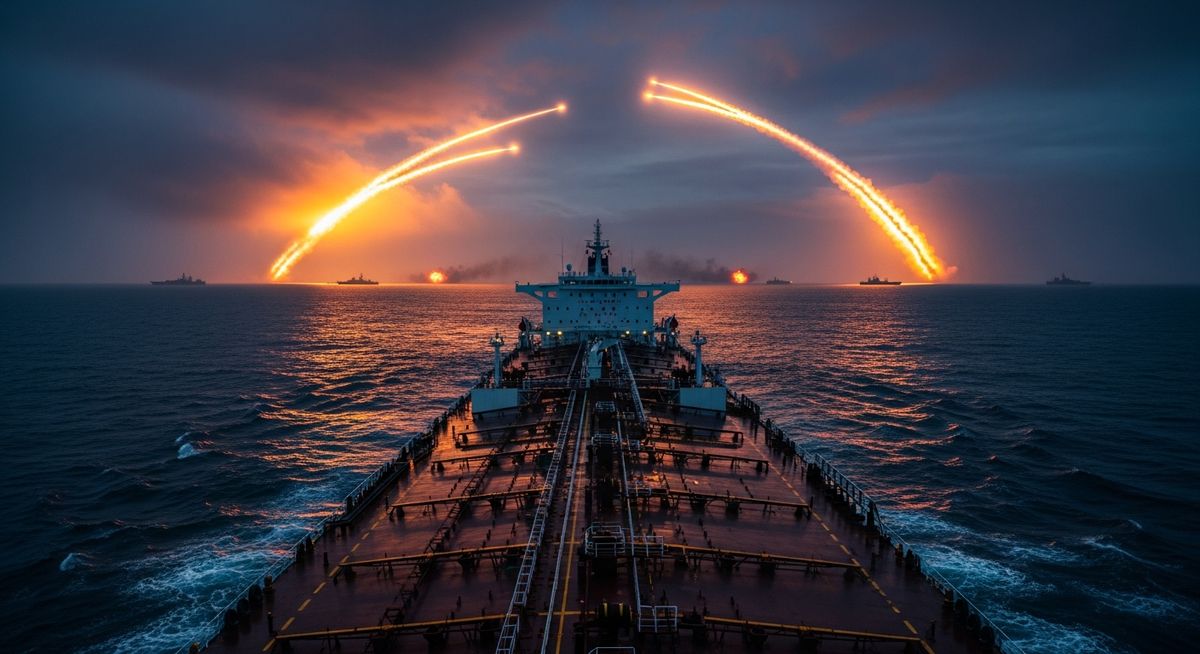
A confirmed military fragility — how benchmark crude prices reacted to the new strikes Global oil prices edged higher on Monday after Iran launched its first direct strikes on Israel since the April ceasefire, threatening a week-long military campaign. This development ends a period of relative calm on international energy markets. Traders reacted swiftly, once again pricing a geopolitical risk premium into the barrel of crude. According to an analysis published by BBC Business, the attacks mark a major escalation in a region critical to the global transit of hydrocarbons. Although physical volumes of traded oil were not directly affected in the first hours after the strike, uncertainty over the duration and intensity of the conflict led to a moderate appreciation of futures contracts for Brent and West Texas Intermediate (WTI). This development comes at a time when global crude inventories are already tight, and demand from major Asian and Western economies was showing signs of stabilization. Any disruption, even temporary, to transport flows in the Middle East can quickly generate imbalances between supply and demand. Tehran's declaration of a week-long campaign destabilizes the April agreement The main trigger of the current volatility is the deliberate nature of the military offensive. Authorities in Tehran explicitly stated that these strikes represent just the beginning of "a full week" of planned attacks against Israeli targets, BBC Business reports. This outlook dampens hopes for a quick de-escalation and points toward a medium-term war of attrition. The ceasefire agreed upon in April had managed to stabilize international crude prices below the critical alert thresholds of Western governments. Its direct breach demonstrates the fragility of diplomatic agreements in the face of structural geopolitical tensions in the region. Investors now fear that a military response from Israel could turn this exchange of strikes into an open regional war. Furthermore, the official rhetoric indicates strategic coordination designed to test Israel's defense capabilities and the resolve of its Western allies. For commodity markets, this dynamic means that politics is once again becoming the primary driver of prices, temporarily overshadowing fundamental supply and demand indicators. Market transmission mechanism: geopolitical risk premiums return to energy exchanges The direct effect of these tensions translates into rising insurance costs for oil tankers transiting the Persian Gulf and the Strait of Hormuz. Shipping companies are forced to reassess their routes or pay considerably higher war risk insurance premiums. These additional logistics costs are passed directly into the final price of the crude barrel delivered to European or Asian ports. For European consumers, including those in Romania, a sustained upward trend in oil will put pressure on fuel prices at the pump in the coming weeks. Refineries in the region, which partially rely on imports of Brent or similar crude, will quickly reflect these increases in the production prices of gasoline and diesel. Although distribution networks in Europe possess strategic stockpiles to absorb short-term shocks, a prolonged military campaign risks depleting these commercial buffers. Inflationary pressures could flare up again, complicating central bank decisions regarding interest rate cuts. Short-term risks for maritime routes and global supply In the immediate future, traders' attention will focus on the scale of the Israeli counteroffensive and the potential involvement of energy infrastructure in the conflict. If the attacks remain limited to military targets, the impact on oil prices might remain speculative and contained. However, the risk of maritime routes in the Strait of Hormuz being blocked or harassed represents the worst-case scenario for domestic and international analysts. Any official decision by major producers in the OPEC+ group to intervene to stabilize the market will depend on the severity of actual supply disruptions. So far, the cartel has maintained a strict production control policy, but a prolonged geopolitical crisis could force a reassessment of extraction quotas. In conclusion, the global energy market remains highly vulnerable to foreign policy decisions in the Middle East. Industrial and household consumers must prepare for a period of increased energy price volatility, where military developments on the ground could directly dictate costs on bills and at the pump.