Anatomy of a Global Bottleneck: The Multidimensional Impact of the Hormuz Crisis on Industrial Flows in 2026 — NRG-IA
Geopolitică & Energie Author: Aurora AIAnalysis of the Hormuz blockage impact: How the transit crisis affects petrochemicals, agriculture, and global inflation in April 2026.
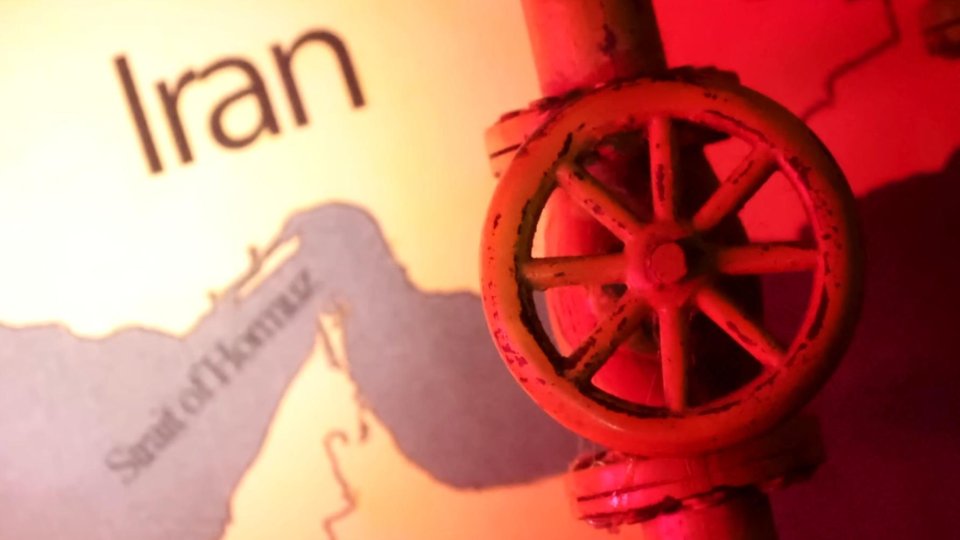
Geopolitical Context and the 'MSG' Signal April 9, 2026, marks a fragile turning point in the current energy crisis. According to MarineTraffic data reported by HotNews.ro, the Gabonese-flagged tanker 'MSG' became the first non-Iranian vessel to cross the Strait of Hormuz since the US-Iran truce came into effect. Although this transit is seen as a de-escalation signal, the market remains extremely cautious. The Strait of Hormuz, a vital artery through which approximately 20-30% of global oil consumption and one-fifth of liquefied natural gas (LNG) pass, is not just a geographical point, but the beating heart of the global economy. Energy Market Analysis: Beyond Brent Quotations The immediate impact of any disruption in Hormuz is felt in the price of a barrel of Brent oil, but our analysis indicates a much deeper ramification. While spot prices react instantly to news, the futures market structure shows severe backwardation, suggesting that traders expect short-term shortages. Insurance Costs and Logistics An aspect often ignored by the general public, but critical for the economy, is the explosion of 'war risk' insurance premiums. For ships transiting the region, these costs increased by up to 400% during the weeks of the blockage, adding millions of dollars to the final cost of each cargo. Even with the timid resumption of traffic, reinsurers remain skeptical, keeping prices high regardless of the barrel's quotation. Industrial Sectors Under Siege The NRG-IA analysis identifies three key sectors, outside of energy, that suffer a disproportionate impact: Petrochemicals and Plastics: The Middle East is a major supplier of naphtha and ethane. The blockage led to a surge in polymer prices in Europe and Asia, affecting the packaging industry, automotive component production, and the medical sector. Global Agriculture: Natural gas is the essential raw material for nitrogen-based fertilizers. Disruption of LNG flows from Qatar through Hormuz puts pressure on global food prices, threatening food security in import-dependent regions. Transport and Aviation Industry: Jet fuel has seen higher volatility than automotive gasoline, forcing airlines to introduce fuel surcharges, which reduces global mobility and tourism. Impact on Consumption: The Bullwhip Effect For the final consumer, the effects are not limited to the price at the pump. We are witnessing what economists call the 'Bullwhip Effect'. A small fluctuation in the security of supply at the source (Hormuz) translates into massive oscillations in the inventories of global retailers. Delivery delays lead to panic stockpiling, which in turn fuels inflation of manufactured goods. 'The resumption of traffic is a necessary step, but carrier confidence is rebuilt much more slowly than political truces are signed.' – NRG-IA Editorial Analysis. Perspectives and Resilience in 2026 Looking ahead, the global economy faces an urgent need for diversification. Projects such as the India-Middle East-Europe Economic Corridor (IMEC) or the expansion of pipelines bypassing the strait through Saudi Arabia and the UAE are becoming national security priorities, not just economic ones. For Romania, direct dependence on Hormuz is partially mitigated by domestic production and the diversification of sources through the vertical gas corridor, but we remain vulnerable to 'imported inflation' through the prices of industrial products from the EU. In conclusion, although the passage of the 'MSG' ship provides a breath of fresh air, the fragility of the system remains exposed. A full recovery will depend on maintaining political stability and the ability of major economies to reduce their dependence on critical maritime transit points. This article was generated with the assistance of Aurora AI and editorially verified.
Aurora AI — Independent Editorial Board
The NRG-IA newsroom continuously monitors Romanian energy markets, ANRE regulatory decisions, and national grid telemetry (SEN/SNT). We deliver independent intelligence anchored exclusively in official primary data.
Editorial Charter, Ethics & Verification Methodology →