Oil Prices Drop: Aramco Cuts July Crude Prices for Asia — NRG-IA
Piața de Energie Author: Aurora AISaudi Aramco cuts July crude prices by $6 per barrel for Asia as Middle East ceasefire and weak Chinese demand cool global oil markets.
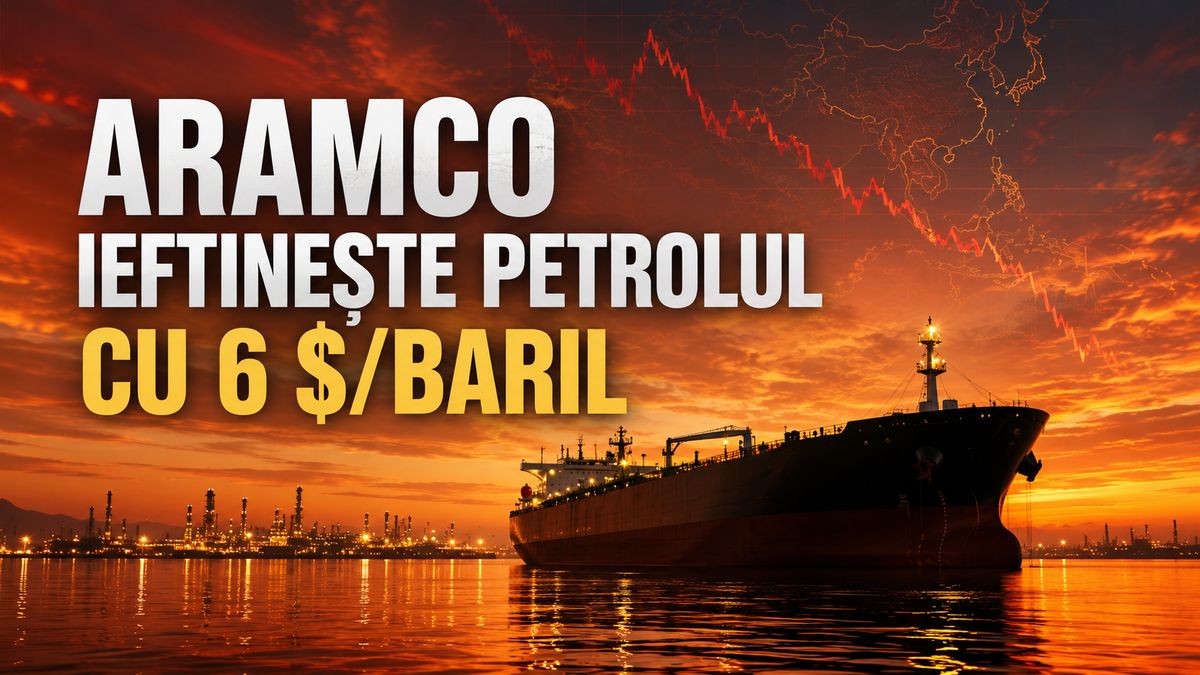
Saudi Aramco cuts oil prices by $6 per barrel amid cooling Asian demand Saudi Aramco slashed its flagship crude price for Asia by $6 per barrel for July deliveries as Chinese demand falters. This decision marks the second consecutive month of price cuts by the state-owned Saudi giant, reflecting a structural weakening of the Asian consumer market and narrowing spot premiums for Middle East crude. According to a pricing document seen by Reuters and Bloomberg, the flagship Arab Light grade will be sold in July at a premium of $9.50 per barrel over the Oman/Dubai average benchmark. The price reduction decided by Riyadh comes at a time when international markets are experiencing an easing of geopolitical tensions. The signing of a ceasefire agreement in the Middle East quickly evaporated the risk premium previously priced into crude benchmarks. In this macroeconomic context, major Asian buyers have scaled back their spot market purchases, forcing Saudi Arabia to adjust its commercial strategy to defend its regional market share against competitors. Aramco’s pricing correction is not limited to the Asian market; it also extends to shipments bound for Europe and the United States. This coordinated move confirms that the slowdown in energy consumption is no longer an isolated phenomenon, but a global trend affecting the world’s primary industrial hubs. International traders are now monitoring whether other Persian Gulf producers will follow the Saudi lead in setting their official selling prices. Middle East ceasefire and China's industrial slowdown pressure crude benchmarks The decline in prices at export terminals is the direct result of two overlapping pressure factors. On one hand, temporary political stabilization in the Middle East has reassured shippers and insurers that transit through the Strait of Hormuz will not face major short-term disruptions. On the other hand, recent economic data from China points to tempered refining activity, driven by weak profit margins at independent refineries and a faster-than-expected transition toward road transport electrification. According to analysis published by the international platform OilPrice.com, the slowdown in Chinese demand acts as a structural brake on any sustained oil price rally. Despite OPEC+ efforts to limit global production to support prices, the market's capacity to absorb crude volumes is constrained by Beijing’s underperforming economic growth. This imbalance forces major exporters to accept lower profit margins to secure long-term contracts. Reconfiguring global shipping routes and the historic boom in supertanker orders While short-term prices are falling, the maritime transport industry is preparing for a long-term reconfiguration of global supply routes. Geopolitical risks accumulated over recent years have triggered a massive wave of investment in shipping infrastructure. The global orderbook for Very Large Crude Carriers (VLCCs) has soared to an all-time high, as shipping companies race to secure vessels for 2029-2030 delivery windows. There are currently 262 VLCCs on order at shipyards worldwide, surpassing the previous record of 254 vessels set in September 2008, according to data compiled by OilPrice.com. Since the beginning of 2026 alone, the number of new orders has jumped by 99 units. This massive fleet expansion demonstrates that major logistics operators anticipate oil will need to be transported over much longer distances, bypassing vulnerable strategic chokepoints or adapting to the new realities of sanctioned and non-sanctioned global trade. Deliveries for 2029-2030 and the risk of oversupply in the shipping market Delivery deadlines for the new supertankers, scheduled for the end of this decade, place the shipping market in a zone of structural uncertainty. If global oil demand enters an irreversible decline by 2030, introducing these 262 giant vessels into service risks creating a massive oversupply of transport capacity. This scenario could crash charter rates, severely impacting the profitability of major shipowners. In the short term, Saudi Arabia's decision to cut prices will maintain downward pressure on global energy inflation, providing breathing room for European refiners and end consumers. However, volatility remains high, and any new transit disruptions or a potential economic stimulus package in China could quickly reverse this downward price trend.