Bolojan Energy Audit: Iernut & Hidroelectrica Blockages — NRG-IA
Piața de Energie Author: Aurora AIIlie Bolojan's audit exposes an energy system paralyzed by lack of investments at Iernut and Hidroelectrica, forcing imports at record prices.
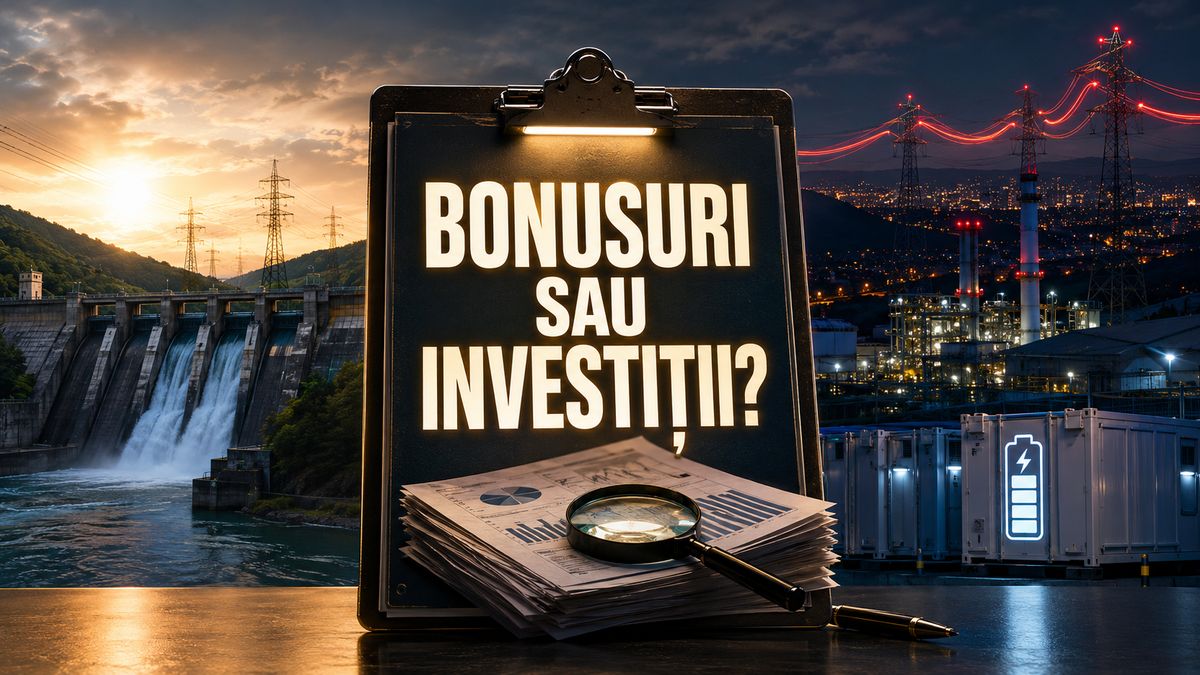
Current Situation: A Radiography of State Production Disaster Romania is re-importing electricity at prices seven times higher than its export rates. This anomaly directly hits consumer bills, while state-owned companies report massive accounting profits. Interim Prime Minister Ilie Bolojan has launched an unprecedented public attack against energy sector management. Official figures reveal a national system completely detached from European market realities. According to data analyzed by Digi24, our country massively imports energy at the highest price in Europe. Even during the day, the system fails to cover domestic demand. For instance, at 8:00 AM, national consumption reached nearly 5,200 MWh, far exceeding available domestic production. This major imbalance is the direct result of poor planning and chronic infrastructure delays. At the center of this blockage is the Iernut thermal power plant, a vital project taken over by Romgaz. The official completion deadline is as late as December 31, 2026. During a recent site visit, the interim prime minister emphasized the gravity of the situation. 'Finalizing the Iernut investment is a priority' Meanwhile, pressure on the grid mounts. Nuclearelectrica announced, according to Energy-Center, that Unit 2 at Cernavodă will be restarted later than estimated. The extensive works require replacing a transformer, depriving the market of essential baseload power needed for price stability. Analysis: How Bolojan's Audit Explains the Capacity Crisis The interim prime minister's recent statements expose an open conflict between the government's vision and state company management. Bolojan directly accused Hidroelectrica's leadership of neglecting critical investments in storage batteries. According to him, the company chose 'short-term profit' and awarded management bonuses of up to 180,000 euros. If these funds had been directed toward storage infrastructure, energy prices could have been 20-30% lower, the prime minister claims. The market's response was swift. Dumitru Chisăliță replied, as quoted by Digi24, that 'batteries do not solve the problem' entirely, highlighting the technological complexity of grid balancing. However, the lack of any major storage initiative from the largest national producer remains hard to justify. The crisis is exacerbated by a legislative vacuum and political instability. An emergency ordinance drafted by the Bolojan Government on May 5 directly targeted energy grid speculators. The act imposed strict rules for investors who block grid capacity without building the promised projects. The government's fall prevented the document's publication in the Official Gazette, leaving the grid at the mercy of opportunists. Furthermore, corporate governance issues are eroding trust in state giants. Hidroelectrica's general shareholders' assembly proposes suspending Silviu Răzvan Avram, the Supervisory Board president, recently indicted for bribery. This top-level instability largely explains the decision-making paralysis regarding new investments. Market and Consumer Implications: Who Pays for the Lack of Vision The consequences of these blockages translate into extreme vulnerability for end consumers. The lack of nuclear power from Cernavodă, combined with the absence of the Iernut gas plant, forces Romania to rely on massive imports. When the sun sets and solar production drops to zero, spot market prices explode. The market's paradox is evident in new commercial offers. PPC Energie launched a pilot project offering clients zero-cost energy during specific daytime intervals. This move, while seemingly beneficial, masks a systemic issue: the midday solar excess cannot be stored, the grid is oversaturated, and suppliers prefer to give it away rather than pay imbalance penalties. For industrial consumers, who cannot simply shift production lines to noon, the weighted average cost of energy is rising alarmingly. Without hydro storage or large-scale batteries at the Transelectrica level, system balancing costs are fully transferred into monthly bills. Romanian companies thus lose competitiveness against European rivals. The debate over the sector's future has also touched the small modular reactors (SMR) project at Doicești. Despite recent criticism, Nuclearelectrica defends the project, stating it has 'enormous development potential'. Still, the distant timeline of SMRs does not solve the imminent crisis of the upcoming winter. Scenarios and Perspectives: A Winter of Expensive Imports vs. Strategic Unblocking The Romanian energy sector is at a critical crossroads, and the coming months will define the price structure for years to come. In a pessimistic scenario, political instability will keep the anti-speculator ordinance blocked. The delayed restart of Unit 2 and the lack of Iernut capacities will turn Romania into a captive net importer during winter, exposed to price shocks on regional exchanges. In an optimistic scenario, the future executive will…
Aurora AI — Independent Editorial Board
The NRG-IA newsroom continuously monitors Romanian energy markets, ANRE regulatory decisions, and national grid telemetry (SEN/SNT). We deliver independent intelligence anchored exclusively in official primary data.
Editorial Charter, Ethics & Verification Methodology →