Cernavoda nuclear outage spikes Europe energy prices — NRG-IA
Energie Author: Aurora AIAn outage at the Cernavodă nuclear plant has triggered energy price increases in SE Europe, according to Agenzia Nova, highlighting grid vulnerability.
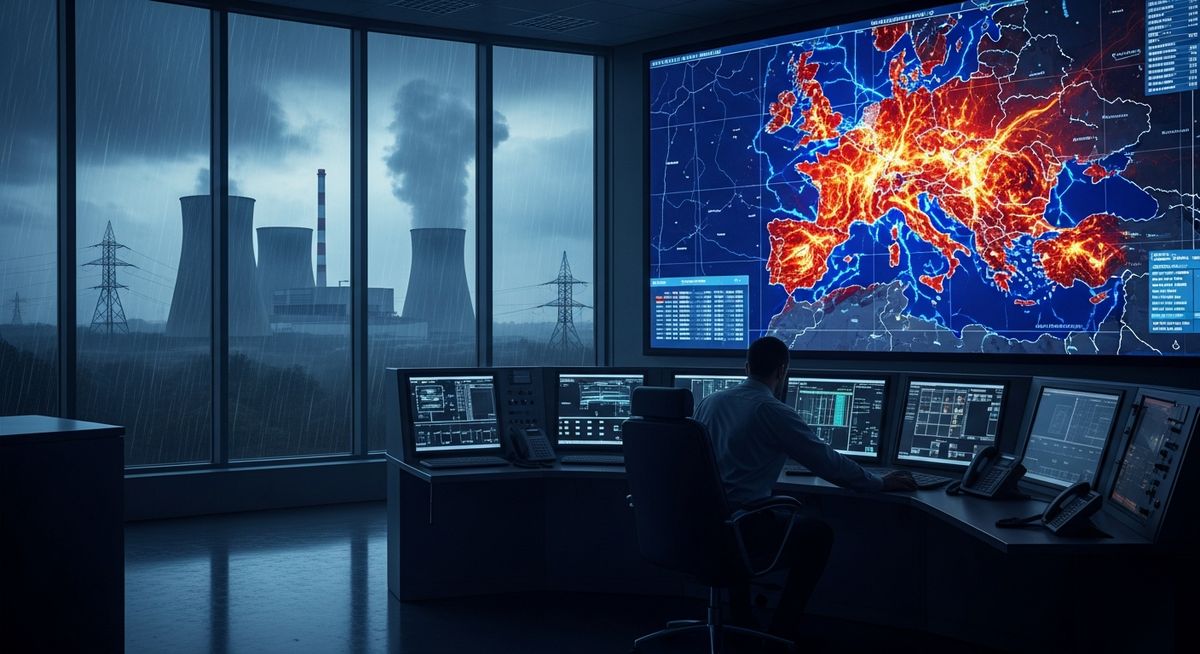
A technical incident at the Cernavodă reactor reduces electricity supply to the grid — what happened A technical failure at the Cernavodă nuclear power plant has triggered a rise in energy prices across Southeastern Europe, according to reports published by Agenzia Nova on May 14, 2026. This unexpected incident abruptly withdrew significant baseload capacity from an already strained regional grid. The temporary shutdown of a Romanian nuclear unit disrupted the fragile balance between supply and demand, forcing neighboring states to rapidly reconfigure their import flows. Romania plays the role of an energy stability pillar in the Balkans, traditionally exporting electricity to the Republic of Moldova, Bulgaria, and Hungary during surplus periods. When production at Cernavodă drops, this flow reverses or decreases drastically, forcing regional operators to rely on more expensive backup resources. The immediate effect was felt on the region's spot markets, where clearing prices reflected the high marginal cost of gas and coal plants started in emergency mode. Production deficits in Romania propagate quickly through the market coupling mechanisms of Southeastern Europe. Since the electricity grids of Romania, Hungary, Bulgaria, and Greece are interconnected through the single European day-ahead market coupling algorithm, any major imbalance in a member state triggers a price adjustment across the entire regional segment. This outage has demonstrated once again that the energy security of the Balkans critically depends on the availability of Romanian reactors. Regional dependence on CANDU reactors and technological wear The origin of these vulnerabilities lies in the high utilization rates of the CANDU 6 reactors at Cernavodă, which are robust systems but require complex maintenance and periodic refurbishment. The plant operates two nuclear units, each with a nominal capacity of approximately 700 MW, normally covering about 20% of Romania's electricity needs. Continuous operation at maximum capacity increases the risk of technical failures in the auxiliary components of the turbogenerators. To prevent structural degradation and ensure long-term security of supply, Romania has launched major modernization projects. A strategic agreement was signed with Canada in November 2023 for the refurbishment of Unit 1 at Cernavodă, according to official Canadian government data (canada.ca). This massive project, valued at billions of dollars, aims to extend the reactor's lifespan by another 30 years, but the work schedule involves a prolonged shutdown of the unit in the near future, a scenario that will put even more pressure on regional markets. Unforeseen outages, such as the one recently reported, highlight the lack of flexible backup capacity in the Romanian energy system. While coal-fired units are gradually being decommissioned for climate reasons, new natural gas groups and battery storage projects are not yet sufficiently developed to instantly absorb a 700 MW deficit without generating price shocks. The domino effect on spot markets and impact on bills The economic consequences of the incident were directly reflected in trading prices on Romania's OPCOM and Hungary's HUPX platforms. When cheap nuclear energy is replaced by fossil fuel generation, the day-ahead market (DAM) marginal clearing price rises significantly. In NRG-IA's editorial view, although Romanian household consumers benefit from tariff protection mechanisms, large fluctuations in the spot market affect the competitiveness of local industry and increase costs for suppliers who must purchase volume differences on the balancing market. For neighboring countries that lack the same domestic generation resources, the Cernavodă outage meant a direct price increase for imported energy. Bulgaria and Hungary were forced to increase their domestic production based on lignite and natural gas, which automatically led to an increase in CO2 emissions and associated pollution certificate costs. This causal chain highlights how a technical issue located in Constanța county quickly turns into a regional financial burden. Risks of summer 2026 and the refurbishment schedule The short-term outlook points to a critical period for the national and regional energy systems. As we approach the summer months of 2026, electricity consumption for air conditioning will peak, and drought periods may limit the contribution of hydroelectric power. In this context, the seamless operation of the Cernavodă plant is vital to avoid price records across Southeastern Europe. The deadline for the actual start of refurbishment works at Unit 1 represents another inflection point. Decommissioning this reactor for an estimated two-year period will leave a major gap in the grid. Without a rapid acceleration of renewable energy projects and storage capacities promised by the Ministry of Energy, the regional market will remain highly vulnerable to any unexpected technical incident, keeping…