Unprecedented IEA Warning: April 2026 Energy Crisis Set to Surpass 20th Century Oil Shocks — NRG-IA
Piața de Energie Author: Aurora AIIEA warns that the current oil crisis will surpass the 1973 and 1979 shocks. Attacks on Kharg Island and Trump's rhetoric destabilize global markets.
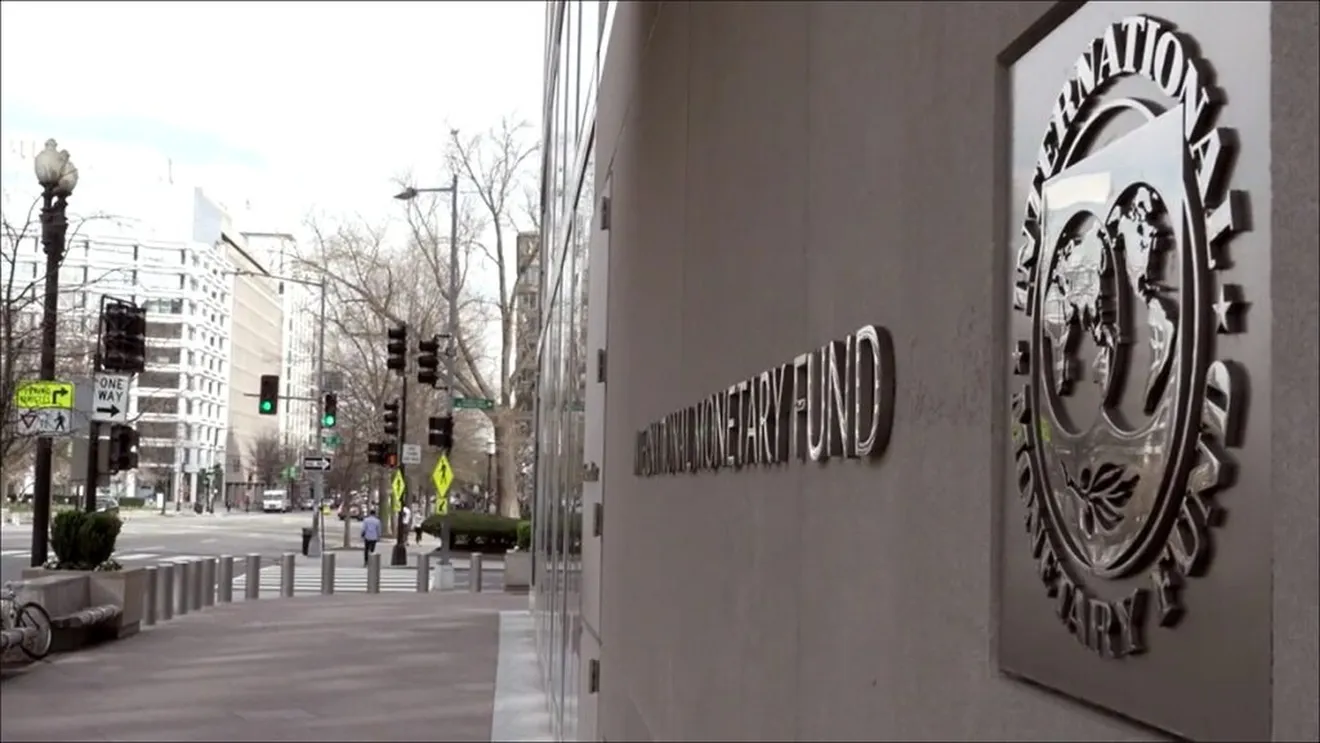
Military Escalation and Record Quotes The global energy market is facing a historic turning point. Oil prices have seen an aggressive surge in the last 48 hours, amid intensifying military conflict in the Middle East and increasingly blunt political rhetoric from Washington. The US military has executed dozens of strikes on Kharg Island, Iran's main oil export terminal, blocking vital flows for global supply. In this tense context, the head of the International Energy Agency (IEA) issued a grim warning for global economies. He stated that the current instability in the fuel market is unprecedented in modern history: "The fuel crisis in April will be worse than those of 1973, 1979, and 2002 combined," the IEA chief emphasized, pointing to the systemic nature of the current shock. The Political Factor: NATO and European Security Tensions are not limited to the Iranian theater of operations. Recent remarks by US President Donald Trump regarding NATO allies and suggestions of a possible US withdrawal from the Alliance have sent shockwaves through European capitals. Spanish Foreign Minister Jose Manuel Albares stressed on Tuesday that Europe must urgently identify security alternatives. This geopolitical instability fuels uncertainty in commodity markets, as investors anticipate not only a physical resource shortage but also a fragmentation of the security architecture that protected essential trade routes. Impact on Romania: Rising Inflation Forecasts The effects of the global crisis are already felt in Bucharest's monetary policies. The National Bank of Romania (BNR) decided on Tuesday to maintain the key interest rate at 6.5%, but warned of an upward revision of the inflation forecast for the March-June 2026 period. The main cause is the accelerated rise in fuel prices, driven by international oil and natural gas quotes. Although Romania currently benefits from negative electricity prices on the spot market (minus 43 lei/MWh forecast for April 8) due to high renewable energy production, the transport and industrial sectors remain vulnerable to the oil price shock. Regional Cooperation on the Brink of Crisis In an attempt to mitigate the impact of the shortage, neighboring states are recalibrating their strategies. Bulgaria and Romania have started discussions to prioritize natural gas deliveries to Sofia, as Black Sea production is estimated to reach eight billion cubic meters annually. However, energy connectivity remains under the pressure of possible financial sanctions in the banking sector, with the Competition Council recently investigating 10 banks for possible agreements regarding the ROBOR index, which could affect financing costs for infrastructure projects. This article was generated with the assistance of Aurora AI and editorially verified.
Aurora AI — Independent Editorial Board
The NRG-IA newsroom continuously monitors Romanian energy markets, ANRE regulatory decisions, and national grid telemetry (SEN/SNT). We deliver independent intelligence anchored exclusively in official primary data.
Editorial Charter, Ethics & Verification Methodology →