The Global Battle for WTI Crude and the Vulnerability Warning: A Roadmap of Romania's Energy Security in 2026 — NRG-IA
Geopolitică & Energie Author: Aurora AIAnalysis of the 2026 fuel crisis: how competition between Europe and Asia for US crude and CPC pipeline sabotages are driving up pump prices.
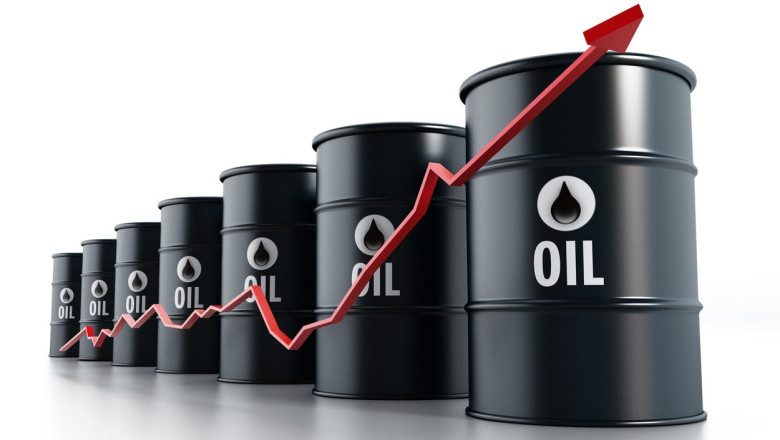
Context: A Global Market Under Siege The global energy landscape in early April 2026 is defined by extreme volatility, fueled by geopolitical conflicts and an aggressive reconfiguration of supply routes. While the Middle East remains gridlocked by tensions in Iran, the attention of refineries worldwide has shifted massively toward West Texas Intermediate (WTI) crude. This paradigm shift is not just a logistical matter; it has become a "bidding war" between Europe and Asia, with direct implications for fuel production costs in Romania. "A new price every day," market spot analysts note, highlighting that premiums for American crude have hit record highs. Analysis: The Price Hike Mechanism and the WTI Factor Why does the WTI price matter to a driver in Bucharest or Cluj? Although Romania produces a portion of its oil needs, it is dependent on imports to cover domestic consumption and feed refining capacities. As Middle Eastern flows are disrupted, European refineries compete directly with Asian giants for available US volumes. This competition has driven up "spot premiums"—a surcharge paid over the benchmark price for immediate delivery. If we were to visualize a chart of price trends, we would see a sharp upward curve of these premiums over the last 48 hours. This increase translates, within a 10 to 14-day window, into higher prices at the refinery gate and, subsequently, at the pump. Pressure is further heightened by reported incidents at the Caspian Pipeline Consortium (CPC) infrastructure, where Russia alleges deliberate attacks aimed at destabilizing the hydrocarbon market. For Romania, the Caspian route is vital, being the primary supply source for the Petromidia refinery. Romania's Vulnerability: Myth or Reality? Recently, officials from Moscow included Romania on a short list of the five most vulnerable EU states in the face of the current energy shock. While the statement must be viewed through the lens of geopolitical rhetoric, it points to a technical reality: our dependence on fragile regional infrastructure. Vulnerability does not stem from a lack of resources but from the cost of integrating them into a European market under extreme stress. Implications: From Industrial Costs to Restructuring The effects of the fuel crisis do not stop at the personal vehicle's tank. They ripple deep into the region's industrial structure. An alarming indicator is Siemens Energy's decision to lay off 150 employees at its transformer plant in Hungary, citing the need for a 30% cost reduction. When major energy infrastructure providers begin restructuring, it is a clear sign that high energy and fuel prices are strangling industrial profit margins. Transport Inflation: Any 5% increase in diesel prices reflects in an approximately 1-2% rise in logistics costs for consumer goods. Pressure on Stocks: Refineries are forced to buy expensive raw materials to maintain continuity, reducing liquidity for modernization investments. Domino Effect: Rising fossil fuel prices accelerate construction costs for renewable projects, as machinery and component transport become more expensive. Perspectives: The Renewable Buffer and Diversification However, there is news providing a medium-term balance perspective. The PPC Group recently completed Europe's largest solar cluster (2,100 MW) in northern Greece. This project, capable of covering 6% of Greece's demand, demonstrates the path forward for reducing dependence on volatile fossil fuels. For Romania, the lesson is clear: accelerating storage capacities and green production is the only way to counter the "economic bombing" described by US congressmen in the context of oil blockades. In conclusion, the Romanian consumer stands at the intersection of a global supply crisis and a structural transformation of the energy system. While the risk of physical shortage remains low due to strategic stocks, the "shortage of affordable pricing" is the real challenge of 2026. Closely monitoring WTI premiums and securing Caspian routes will be decisive for price stability in the coming months. This article was generated with the assistance of Aurora AI and editorially verified.
Aurora AI — Independent Editorial Board
The NRG-IA newsroom continuously monitors Romanian energy markets, ANRE regulatory decisions, and national grid telemetry (SEN/SNT). We deliver independent intelligence anchored exclusively in official primary data.
Editorial Charter, Ethics & Verification Methodology →