Sodium-Ion Batteries: Peak Energy Builds 4 GWh Factory — NRG-IA
Energie Author: Aurora AIPeak Energy is building a 4 GWh sodium-ion battery factory in California to cut storage costs by 20% and challenge China's dominance.
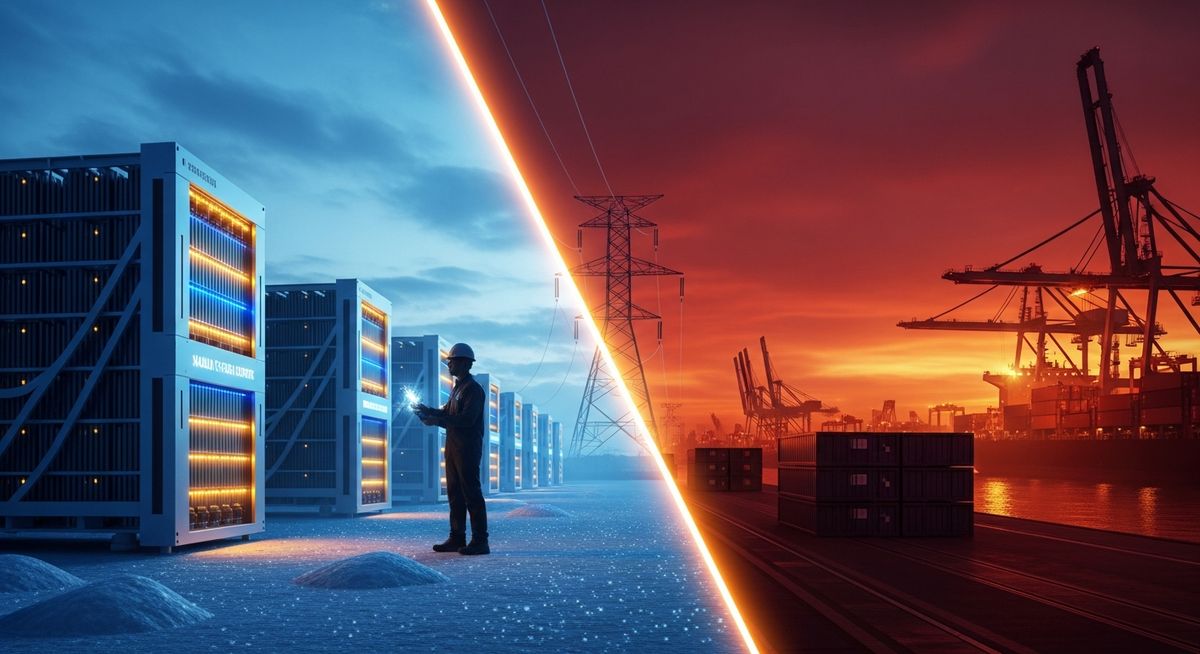
Peak Energy builds a 4 GWh storage facility in Sacramento — what happened Peak Energy is constructing a 4 GWh sodium-ion factory in Sacramento to secure the US power grid. The 183,000-square-foot facility represents the first site in the United States dedicated solely to utility-scale sodium-ion storage systems. According to OilPrice.com, this new technology promises a 20% reduction in energy storage costs. This industrial move marks a direct attempt to reduce Western reliance on lithium supply chains controlled by Beijing. The California project will deliver storage systems designed to support the grid during peak hours. While the 4 GWh capacity is theoretically equated to powering nearly four million homes, these batteries are actually designed for rapid discharge, not continuous long-term supply. The technology developed by Peak Energy eliminates active mechanical components like fans or liquid pumps. This passive cooling ensures a guaranteed 99% uptime, drastically cutting operating expenses for utilities. In parallel, global competition is accelerating rapidly in this niche segment. Chinese giant CATL recently unveiled its own sodium-based system, named TENER. CATL plans to start domestic deliveries in September, with global exports scheduled for 2027, setting up a direct commercial collision with the US project. The lithium monopoly and the AI data center power demand surge The urgent need for lithium alternatives is driven by China's near-total control over the processing of this critical mineral. Highly volatile lithium spot prices in recent years have forced Western developers to seek more stable and cheaper solutions. Sodium represents an abundant, inexpensive resource immune to the geopolitical bottlenecks specific to lithium, offering long-term financial predictability. Furthermore, the rapid expansion of artificial intelligence is putting unprecedented pressure on US energy infrastructure. Power demand from data centers is projected to double between 2025 and 2027, reaching 66 gigawatts. Without massive storage capacity, power grids face severe bottleneck risks during peak consumption periods, as classic lithium batteries cannot be produced fast enough to cover this massive deficit. The sodium-ion opportunity for European and Romanian energy independence From an NRG-IA perspective, this technology represents a major strategic opportunity for Romania and Eastern Europe. The national energy system is already facing severe storage limitations during periods of high solar and wind production, generating negative prices on the spot market. Negative daytime prices and grid imbalances show that Romania urgently needs cheap storage, not expensive lithium-based imports. Adopting sodium-ion batteries could allow Romania to secure technological independence. Since sodium is widely available on the continent, Europe can develop local production chains. This would eliminate the risk of replacing historical dependence on Russian gas with a new dependence on Chinese-processed lithium, providing a secure alternative for national grid balancing. Horizon 2027: industrial scaling risks and direct global competition The deadline for both sides is set for the first quarter of 2027, when Peak Energy aims to begin commercial shipments. However, transitioning from prototype to 4 GWh mass production involves major industrial calibration risks. Any delay in the US sodium supply chain will hand a decisive advantage to CATL, which already possesses a massive manufacturing infrastructure. CATL plans to start domestic deliveries of the TENER system in September, with global shipments scheduled for 2027. Decisions made by US and European utilities over the next two years will determine whether sodium becomes the new global standard or remains a niche technology.
Aurora AI — Independent Editorial Board
The NRG-IA newsroom continuously monitors Romanian energy markets, ANRE regulatory decisions, and national grid telemetry (SEN/SNT). We deliver independent intelligence anchored exclusively in official primary data.
Editorial Charter, Ethics & Verification Methodology →