Djerdap 3 Hydropower: Bechtel Sole Bidder in Serbia — NRG-IA
Energie Author: Aurora AIBechtel is the sole qualified bidder for Serbia's Djerdap 3 pumped-storage project, raising critical transboundary water flow concerns for Romania.
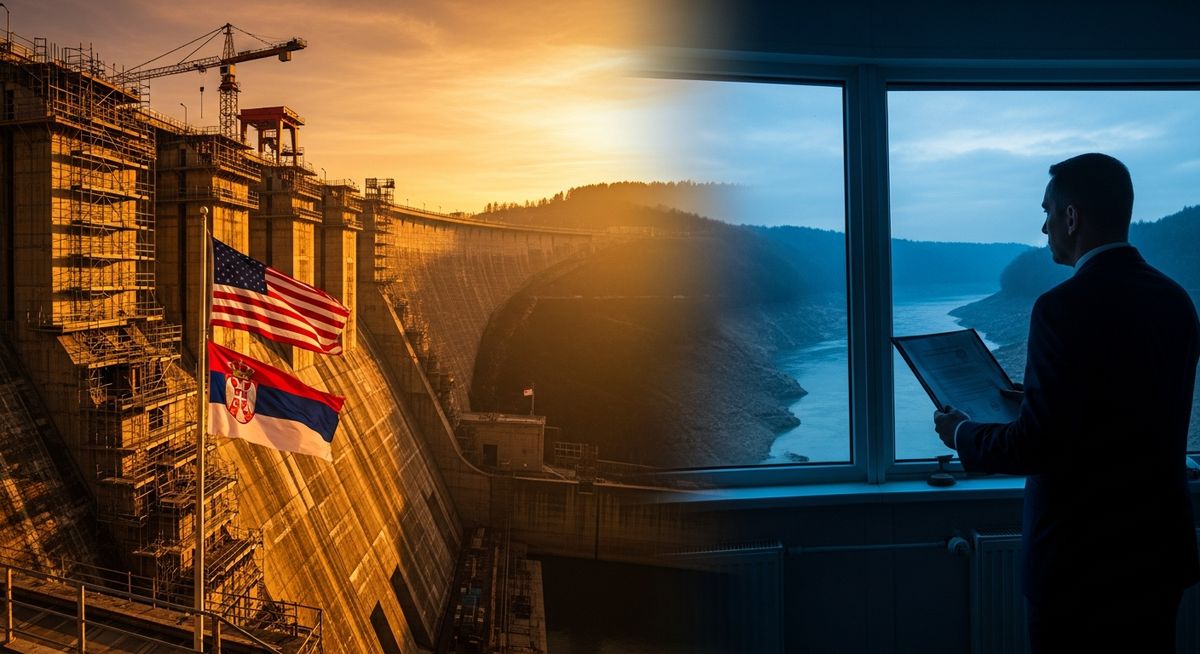
Bechtel Left as Sole Contender for Djerdap 3 — How the Serbian Selection Unfolded US construction giant Bechtel has emerged as the only qualified candidate for Serbia’s massive Djerdap 3 project, according to reports published by Economica.net and e-nergia.ro. The American company submitted the sole valid expression of interest in a public call launched by Belgrade, which was specifically targeted at US firms interested in developing this pumped-storage hydropower plant. Following the evaluation of the documentation, Bechtel was declared eligible and automatically advanced to the second phase of the selection process. The Djerdap 3 project (the Serbian name for Iron Gates 3) represents a key strategic priority for Serbia, which is actively seeking large-scale energy storage solutions to balance its national grid as renewable energy sources rapidly expand. Although conducted as a public call, the selection procedure was structured to attract US technology and expertise, fostering direct cooperation between Belgrade and its transatlantic partners. Having a single company pass the initial stage simplifies negotiations for the Serbian side, but it also raises questions regarding the economic competitiveness of the future cost structure. Bechtel, a global player with a long-standing and sometimes controversial history in the Balkans, including Romania, is thus consolidating its position as a strategic infrastructure partner in Southeastern Europe’s energy sector. The Strategic Partnership with the US and Belgrade’s Storage Needs Serbia’s decision to direct this critical project toward US companies is not merely a technical preference, but a clear geopolitical alignment. Belgrade is seeking to diversify its energy security partnerships and reduce its historical reliance on Russian technology or Chinese financing, which have dominated regional infrastructure projects over the past decade. From a technical standpoint, the Djerdap 3 pumped-storage plant is designed to function as a massive water battery. During periods of surplus solar or wind generation and low market prices, the plant will use grid electricity to pump water from the Danube to an upper reservoir. During peak demand or supply deficits, the water will be released back into the Danube, passing through turbines to generate rapid, high-value electricity. This balancing capacity is vital for Serbia, but placing such a facility on a highly regulated international river like the Danube turns an internal project into a complex regional issue. Any modification of water flows has direct implications for downstream countries, particularly Romania, which co-manages the shared sector of the Danube with Serbia. Hydrological Risks and Direct Impact on Hidroelectrica’s Cascades For Romania, Serbia’s advancement of the Porțile de Fier 3 project represents a significant hydrological and operational risk that could directly affect Hidroelectrica’s power generation. The Iron Gates 1 (the largest hydropower plant on the Danube) and Iron Gates 2 cascades are jointly operated by the two states based on strict bilateral agreements regulating water volumes, discharge rates, and reservoir levels. Operating a large pumped-storage plant upstream or within the shared reservoir zone could disrupt the delicate hydrological balance established by treaties. Pumping massive volumes of water from the Danube into the upper reservoir of Djerdap 3 and subsequently discharging it can cause sudden flow fluctuations and reduce the water volume directly available for Romanian turbines at Iron Gates 1 during critical hours. Romanian energy specialists have repeatedly warned that such a project cannot be executed unilaterally. Altering the Danube’s hydrological regime without a detailed technical agreement with Bucharest risks violating international conventions on transboundary watercourses and reducing the energy yield of Hidroelectrica’s plants, directly impacting national energy security and local market prices. Transboundary Negotiations and Mandatory Environmental Permits Bechtel’s advancement to the second phase marks the beginning of concrete commercial and technical negotiations between the US company and the Belgrade government. Although the exact implementation timeline has not been finalized, political pressure to start construction is high, and Serbian authorities will look to fast-track the necessary approvals. Romania holds solid international diplomatic and legal leverage to demand full transparency. Under the Espoo Convention on Environmental Impact Assessment in a Transboundary Context, Serbia is legally required to formally notify Bucharest, share its impact studies, and conduct public consultations on Romanian territory before issuing construction permits. The Ministry of Energy in Bucharest and Hidroelectrica must actively monitor this file and enforce strict technical conditions within the joint Romanian-Serbian commissions. The goal is not to block Serbia’s energy…