Gasoline price overtakes diesel at Petrom and OMV — NRG-IA
Piața de Energie Author: Aurora AIGasoline price overtook diesel at Petrom and OMV stations following consecutive hikes on May 26 and 27, driven by high international oil product quotes.
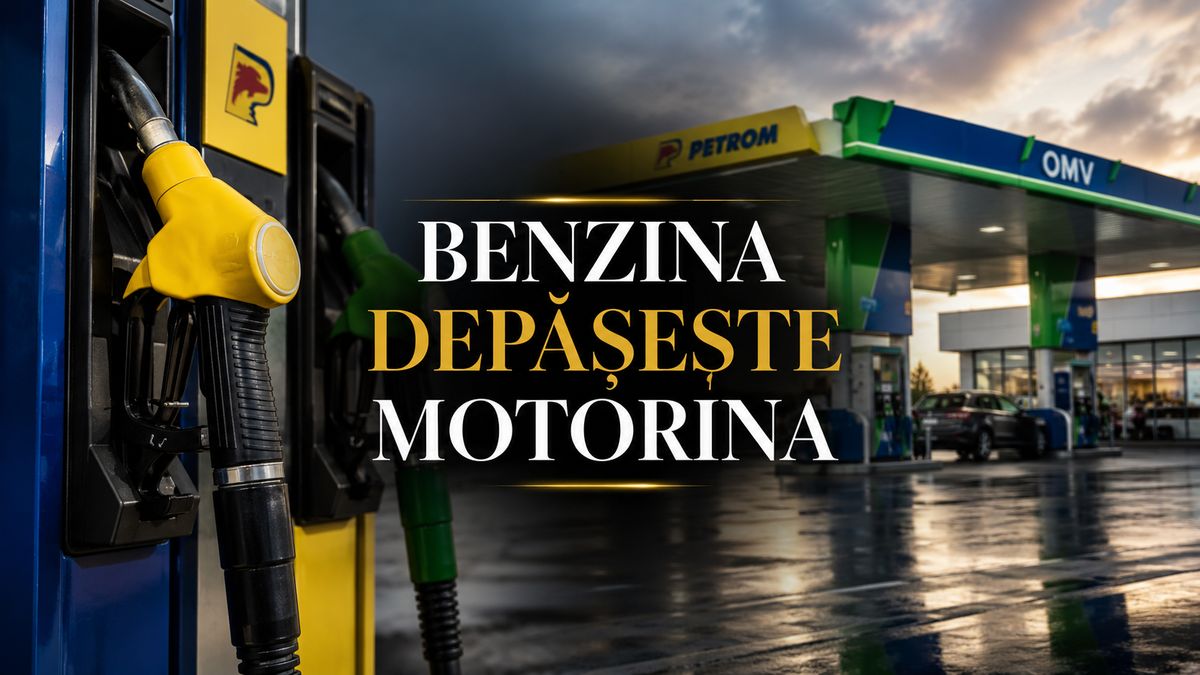
The price ratio reversal at the pump — what happened Petrom increased gasoline prices again on the afternoon of May 27, 2026, pushing its cost above that of diesel in its own stations and the OMV network. This decision marks the second consecutive price hike within just 24 hours, after the fuel retail market leader had already raised the standard gasoline price by 15 bani per liter on the afternoon of May 26. These successive tariff adjustments were quickly applied across the entire network controlled by the OMV Petrom group. According to data published by Economica.net and confirmed by e-nergia.ro, these rapid price adjustments have eliminated the traditional gap where diesel was the more expensive fuel at the pump. Consumers in Romania are currently facing an atypical economic reality for the local retail energy market. Petrom and OMV stations applied the new rates directly at the pump, placing immediate financial pressure on the owners of gasoline-powered vehicles. This price reversal reflects a highly alert market dynamic, where reference prices are adjusted almost in real time based on external developments. The fuel group's decision comes amid strict monitoring of commercial margins, during a period when domestic consumption shows signs of resilience despite general inflationary pressures. International Platts quotes pressure and refinery maintenance This sharp price dynamic is closely linked to the evolution of international Platts quotes for gasoline, which have recorded systematic increases in recent weeks. Platts quotes directly reflect the supply-demand balance at the regional level and serve as the calculation basis for setting pump prices in Romania. When international quotes rise, local operators are forced to adjust their tariffs to maintain the economic viability of imports and production. Additionally, the spring-summer season traditionally brings a significant increase in road mobility and, consequently, gasoline demand across Europe. Increased consumption during this period often coincides with scheduled technical maintenance programs at major refineries in Central and Eastern Europe. These temporary shutdowns for maintenance reduce fuel supply on the spot market, generating a temporary deficit that pushes reference prices upward. The direct correlation between Brent crude oil acquisition costs and refined product quotes explains the speed with which local operators pass these costs onto end consumers. Although Romania produces a significant portion of its internally processed crude, fuel prices remain anchored to the commercial realities of the European single market. Higher costs for private transport and pressure on inflation The consecutive gasoline price hikes directly affect private car owners, as a large portion of Romania's vehicle fleet remains dependent on gasoline engines. In NRG-IA's view, this price reversal will influence short-term consumer behavior, leading to a potential tempering of fuel demand ahead of the summer season. Families planning their holidays will have to allocate larger budgets for road transport. Although the commercial freight transport sector predominantly uses diesel, the accelerated rise in gasoline prices adds indirect inflationary pressure to the national economy. Urban distribution services, courier fleets, and ride-sharing companies, which often use gasoline or hybrid vehicles, will experience increased operational costs. These additional costs risk being passed on later to the tariffs of services delivered to the population. Fuel distributors are adjusting their commercial margins to cope with volatility, but their flexibility is limited by the fixed fiscal burden. Excise duties and VAT represent a significant share of the final price paid by consumers at the pump, meaning that any variation in the base price is felt immediately and amplified at filling stations. Price adjustment pace and the risk of further hikes The evolution of pump prices in the coming weeks directly depends on the stability of international crude oil quotes and the evolution of regional demand for refined products. If the upward trend in Platts quotes for gasoline persists, there is a risk that the gap between gasoline and diesel will widen during June. Market operators are constantly monitoring consumer behavior to detect potential volume drops. However, the room for maneuver for distribution companies remains extremely narrow, constrained by rising logistical costs and national tax regulations. Any price adjustment decision will have to balance the need to cover refining costs with the purchasing power of consumers. Romanians must prepare for a prolonged period of volatility at the pump, where prices quickly reflect tensions in global commodity markets.
Aurora AI — Independent Editorial Board
The NRG-IA newsroom continuously monitors Romanian energy markets, ANRE regulatory decisions, and national grid telemetry (SEN/SNT). We deliver independent intelligence anchored exclusively in official primary data.
Editorial Charter, Ethics & Verification Methodology →