Refinery Bottlenecks and Transit Fragility: Why Diesel Excise Cuts Won't Solve the 2026 Supply Crisis — NRG-IA
Gaze Naturale Author: Aurora AIAnalysis of the 2026 fuel crisis: Why refining capacity and transit security (Balkan Stream) matter more than government subsidies.
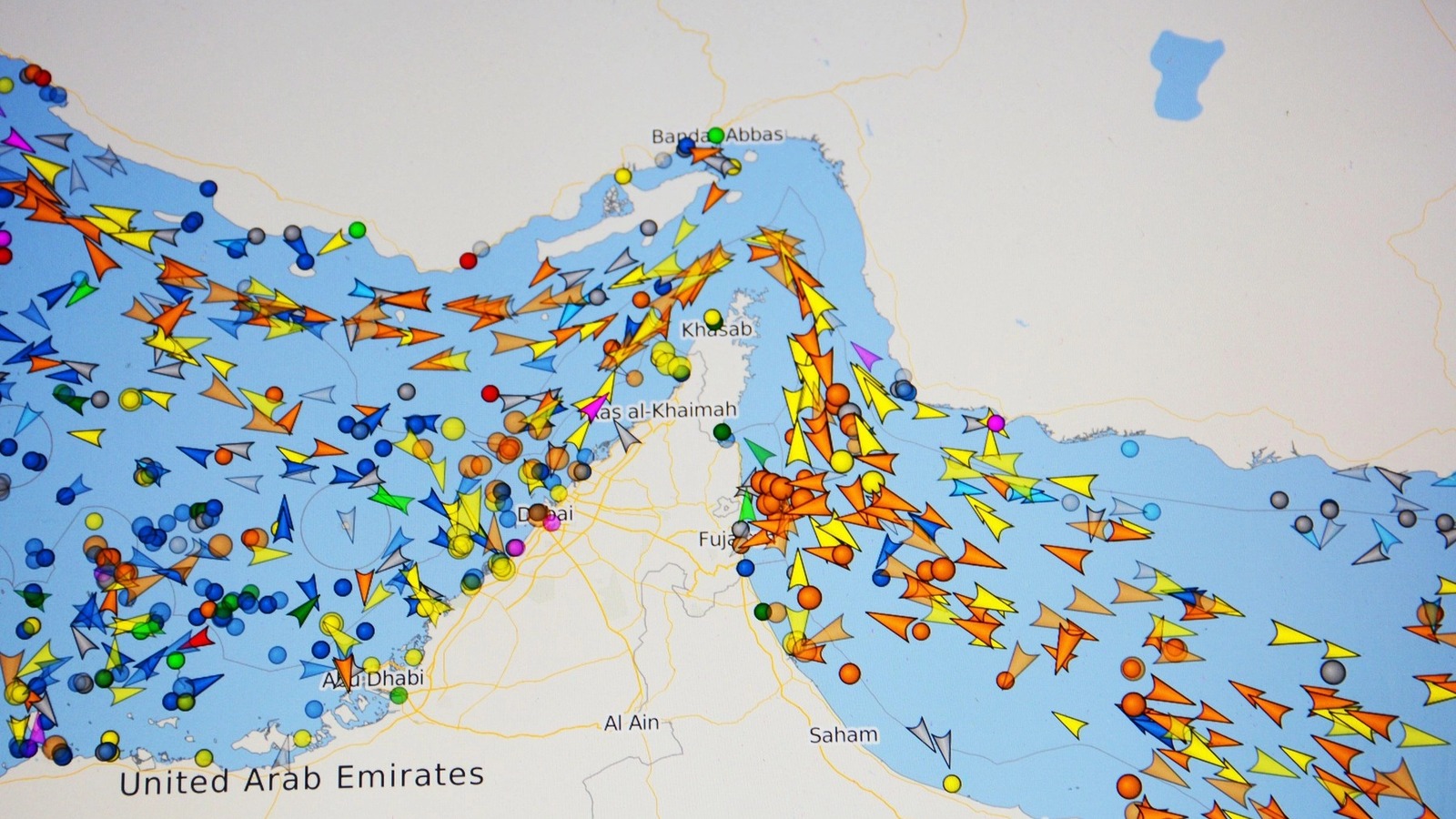
The Context of a Structural Crisis: Parallels with 1973 The global energy sector, and by extension the Romanian one, is navigating a period of volatility that forces somber historical comparisons. Recently, CEOs of the world's largest oil companies warned that the current context, marked by tensions in the Strait of Hormuz and the broader Middle East conflict, bears striking similarities to the 1973 Arab oil embargo. This analogy is not merely statistical; it reflects a paradigm shift in supply security. In Romania, the pressure is felt directly at the pump. Although the Government announced intervention measures, Ionuț Dumitru, honorary advisor to the Prime Minister, recently warned that returning prices to previous levels is "an illusion." This statement highlights that state resources for compensation are finite, and the external shock is too large to be fully absorbed through fiscal policies. Technical Analysis: The Paradox of Crude Availability vs. Refining Capacity A critical perspective on the current crisis was offered by former President Traian Băsescu, who emphasized that while crude oil flows can be diversified, Romania's true vulnerability lies in its processing infrastructure. "The problem is for the refineries to work," he noted, indicating that energy security depends not only on procurement contracts but on the technical and operational integrity of domestic refining units. This observation comes at a time when Romania's fuel consumption structure is heavily skewed. Prime Minister Ilie Bolojan confirmed that diesel accounts for approximately 70% of total national fuel consumption. This massive dependence on diesel explains the executive's decision to prioritize reducing the excise duty for this specific fuel in the first stage of the stabilization plan. However, data analysis shows that an excise cut can be quickly offset by rising logistics costs and the "risk premium" imposed by international markets. The Transit Risk Graph: The Balkan Stream Case Supply route security has become a determining factor in final pricing. The discovery of backpacks containing explosives near the Balkan Stream pipeline in Serbia, announced by President Aleksandar Vucic, sent shockwaves through the regional gas market. Although the pipeline directly supplies Serbia and Hungary, any major disruption to Balkan transit induces speculative price spikes for the entire regional energy mix, including electricity produced in gas-fired plants, putting additional pressure on Romanian industrial consumers. Implications for Consumers and the Real Economy The impact of price hikes is not limited to the cost of fueling personal vehicles. Since diesel is the "blood" of freight transport and agriculture, any increase at the pump automatically translates into shelf-price inflation. In this context, PM Bolojan's meeting with Apostolos Tzitzikostas, the European Commissioner for Transport, highlighted the need for a coordinated European strategy to prevent single market fragmentation under the pressure of energy prices. Another risk element identified by authorities is the investment deadlock caused by the so-called "new smart guys in energy." The Prime Minister accused entities of blocking grid capacity by obtaining permits without any real intention to invest, but merely to speculate on "papers." This administrative bottleneck prevents new production units from entering the system, which could balance the energy scale and reduce dependence on expensive imports. "We do not have the resources to compensate for everything. It is an economic reality we must accept to build long-term resilience strategies." — Ionuț Dumitru, honorary advisor to the Prime Minister. Perspectives: From Compensation to Restructuring Looking toward the second half of 2026, perspectives remain guarded. There are three pillars upon which Romania's energy stability will rest: Refinery Functionality: Maintaining a steady processing pace to avoid physical shortages, regardless of raw material prices. Reducing Speculative Bureaucracy: The new regulation announced by the Government to eliminate grid bottlenecks created by intermediaries. Route Diversification: Reducing dependence on vulnerable transit hubs, such as those targeted by sabotage attempts in the region. In conclusion, while the diesel excise cut provides temporary relief, the long-term solution is not fiscal, but infrastructural. Consumers should expect a period of structurally high prices, where energy efficiency is no longer an ecological option, but an economic survival necessity. This article was generated with the assistance of Aurora AI and editorially verified.
Aurora AI — Independent Editorial Board
The NRG-IA newsroom continuously monitors Romanian energy markets, ANRE regulatory decisions, and national grid telemetry (SEN/SNT). We deliver independent intelligence anchored exclusively in official primary data.
Editorial Charter, Ethics & Verification Methodology →