Bruxelles-ul investighează finanțarea Cernavodă 1: ce risc are proiectul nuclear-cheie al României — NRG-IA
Piața de Energie Author: Gheorghe RăzușAnalysis of the fuel crisis: 6-week jet fuel stocks in Europe, 38% diesel price hikes in the region, and a historic solar record in Romania.
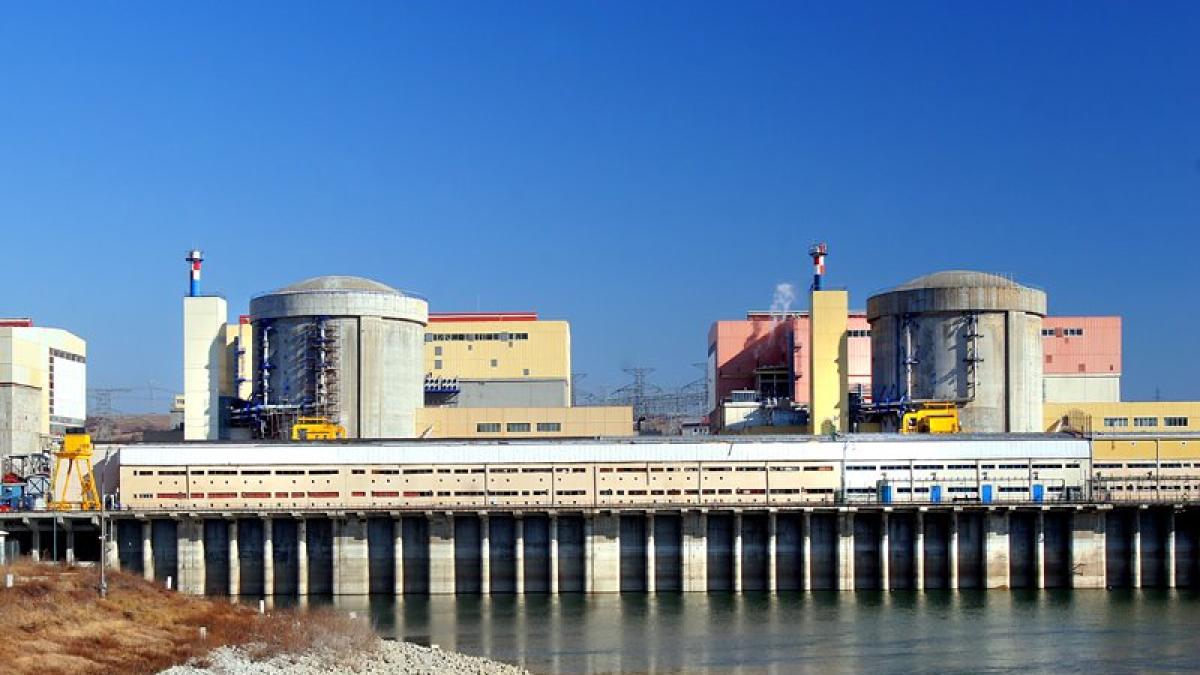
Context of a Multifaceted Crisis The European energy sector, and by extension the Romanian one, is navigating a period of unprecedented turbulence marked by a structural paradox. While pump prices and the availability of jet fuel are dictated by geopolitical conflicts in the Middle East, the national power system demonstrates surprising resilience through renewable sources. However, the recent warning from the International Energy Agency (IEA) places Europe in a race against time: jet fuel stocks are estimated to last approximately six weeks. Fuel Market Analysis: The Illusion of Price Drops and Regional Reality In Romania, consumers recently witnessed a slight easing of pump prices, with drops of approximately 35 bani for gasoline and 30 bani for diesel. However, specialists warn that this move is merely a temporary "oscillation" within a solid upward trend. This perspective is supported by data from neighboring countries, which serve as an early warning indicator for the local market. "Thursday's price drop at the pumps is just an oscillation. The trend remains, essentially, upward," emphasize experts consulted by HotNews.ro. The situation in Bulgaria confirms systemic pressure. Since the start of the conflict in Iran, fuel prices at our southern neighbors have exploded: a 19.9% increase for gasoline and a shocking 38.8% for diesel , according to the Bulgarian National Revenue Agency (NRA). Given the interconnection of regional markets, it is unlikely that Romania will remain isolated from these price hikes in the medium term, especially in the context of supply disruptions in the Strait of Hormuz. Logistical Implications: Six Weeks to Aviation Gridlock? The IEA chief's statement regarding kerosene stocks represents the critical point of the current analysis. If oil supply remains disrupted, the European aviation sector could face massive flight cancellations starting in June 2026. This shortage affects not only tourism but also global supply chains that rely on fast air cargo transport. For Romania, such a blockage would mean increased logistical costs, which will inevitably be reflected in the final price of imported products. Strategic Investments and Brussels Hurdles In an attempt to ensure long-term energy independence, Romania is betting on nuclear energy. However, the Government's plan for refurbishing Unit 1 at Cernavodă has come under the scrutiny of the European Commission. The in-depth investigation recently opened aims to assess the compliance of state aid, which includes grants, state guarantees, and the "Contracts for Difference" (CfD) mechanism. Key points of the EC investigation: Assessing whether public support distorts competition in the single market. Verifying the necessity of the massive state guarantees requested by Bucharest. Analyzing the impact of the CfD scheme on long-term prices for consumers. This bureaucratic delay comes at a time when the state is seeking liquidity by proposing to sell new shares in Hidroelectrica and Romgaz . Vice Prime Minister Oana Gheorghiu indicated that these additional listings could bring billions of euros to the budget, vital funds for supporting infrastructure investments amidst the fuel crisis. The Solar Paradox: Production Record Amidst Crisis While the fossil fuel sector suffers, Romania recorded a historic moment on April 16, 2026. According to Transelectrica data, the instantaneous production of photovoltaic parks reached its highest level in history at 14:04. This energy surplus allowed Romania to become a massive exporter of electricity at midday, partially mitigating the impact of high prices in other energy sectors. Solar Record Data: The highest instantaneous production from solar sources ever recorded in Romania. Massive energy export to interconnected markets during noon hours. Demonstrating the capacity of renewables to take over the load during periods of maximum solar radiation. Perspectives: How the Crisis Affects the Final Consumer The domino effect of the nearly 40% diesel price hike in the region will be felt in the daily shopping basket through increased road transport costs. In parallel, uncertainty regarding commercial flights could lead to higher airfares as airlines scramble to secure fuel reserves at speculative prices. At the same time, social responsibility initiatives, such as the "Energy for Health" program supported by Rompetrol, show that major market players are trying to mitigate the social impact for vulnerable categories, offering free medical services in areas affected by energy poverty. However, these measures are palliative in the face of a structural reconfiguration of living costs. Editorial Conclusions Romania stands at a crossroads: on one hand, extreme vulnerability to imported petroleum product prices and European Commission regulatory decisions; on the other hand, the huge potential of green energy that is starting to deliver concrete results. The next six weeks will be decisive in seeing if Europe can…
Gheorghe Răzuș — Independent Editorial Board
The NRG-IA newsroom continuously monitors Romanian energy markets, ANRE regulatory decisions, and national grid telemetry (SEN/SNT). We deliver independent intelligence anchored exclusively in official primary data.
Editorial Charter, Ethics & Verification Methodology →