US Power Prices Surge: Heat Dome and Storms Disrupt Grid — NRG-IA
Energie Author: Aurora AINearly 1 million US households lost power after a 40C heat dome and severe storms battered the eastern grid, driving wholesale electricity prices higher.
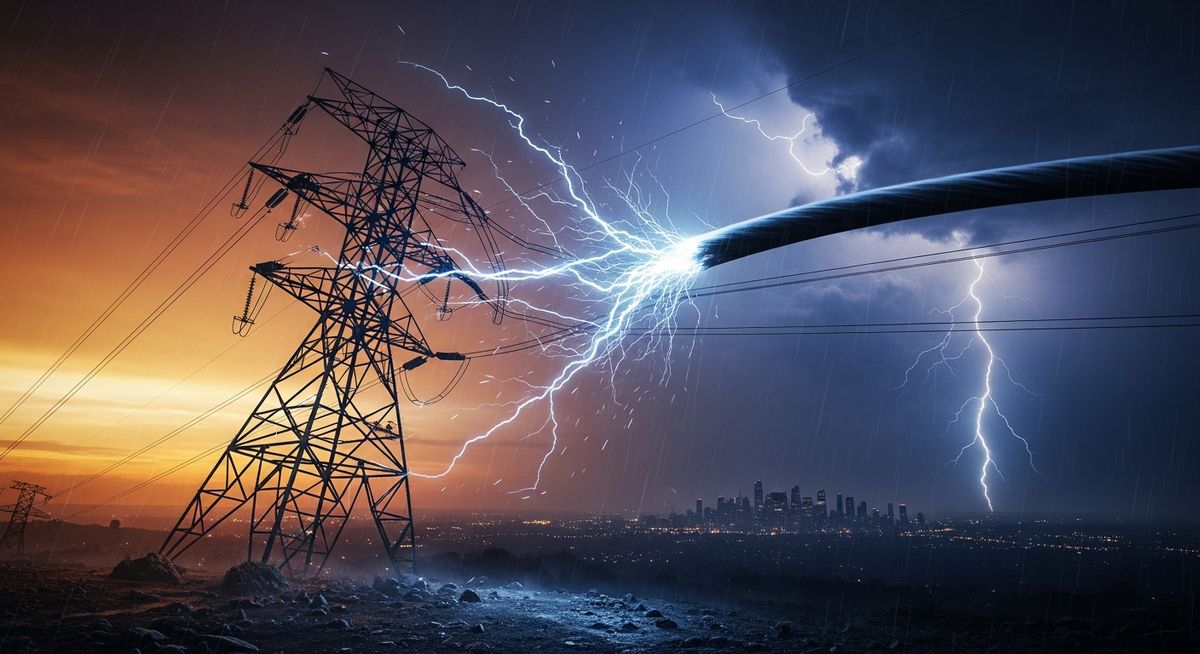
Nearly one million US households lost power after severe storms and 40C temperatures disrupted grids — what happened Almost one million US households were left without electricity in July 2026, according to Financial Times reports. The power crisis in the eastern United States escalated rapidly during the first week of the month. While initially 150,000 homes were reported affected by the heatwave on July 2, the outage toll multiplied more than sixfold in just three days. Distribution grids crumpled under record-breaking demand driven by air conditioning units. The extreme temperatures were immediately followed by severe summer storms that knocked down entire high-voltage transmission lines. This rapid succession of extreme weather events partially paralyzed power supplies across several federal states. Local grid operators found themselves overwhelmed by the sheer volume of simultaneous equipment failures. Emergency crews were deployed immediately, but the extent of the physical damage delayed reconnections for many consumers. Meanwhile, major imbalances between supply and demand destabilized financial power markets. The atmospheric heat dome and subsequent severe summer storms strained transmission infrastructure A persistent meteorological "heat dome" trapped hot air over the East Coast, pushing temperatures close to the 40°C mark. This prolonged heatwave acted as an initial stress factor on electrical transformers, which cannot cool down efficiently in high ambient temperatures. Industrial and residential consumption reached critical peaks during the same hours. Subsequently, the atmospheric instability heightened by the extreme heat triggered violent weekend storms. Strong wind gusts knocked trees onto overhead distribution lines and damaged utility poles. The Financial Times reports that this combination of factors created the most severe stress test for the eastern grid in recent years. Unlike winter storms, prolonged heatwaves physically reduce the transmission capacity of power lines. Conductors expand and heat up further due to the current flowing through them, limiting the dispatchers' operational flexibility. Consequently, the ability to import power from neighboring regions was severely restricted. Wholesale electricity prices recorded steep increases on spot markets Instantaneous local generation deficits and massive cooling demand pushed wholesale spot power prices sharply higher. To avoid a total blackout, system operators were forced to turn on highly expensive backup generation units, which typically run on gas or fuel oil. These peaker plants set the market clearing price during critical hours. Energy traders and utilities had to purchase large volumes of electricity at emergency rates to fulfill their contractual obligations. While retail consumers are partially insulated by long-term contracts, this extreme volatility risks feeding into future utility bills. Distribution companies will eventually pass these high procurement costs onto end consumers. The financial impact is already being felt directly by large industrial consumers who buy power directly from the spot market. Some factories chose to temporarily curb operations to avoid prohibitive peak-hour tariffs. This demand-response behavior helped prevent a total system collapse but negatively impacted regional economic productivity. Grid vulnerability remains high as volatile weather forecasts threaten further outages Grid operators in the eastern United States warn that the power system remains highly vulnerable for the remainder of the summer season. Even as technical crews succeed in reconnecting most consumers, capacity margins remain extremely tight. Short-term weather forecasts predict additional waves of tropical air that will keep demand at record levels. This crisis highlights the urgent need for massive capital investments to underground distribution lines and modernize aging transformers. Climate change is increasing the frequency of heat domes, making traditional overhead infrastructure increasingly inadequate. Until large-scale storage solutions are deployed, price volatility will remain a defining feature of the market during summer peaks.
Aurora AI — Independent Editorial Board
The NRG-IA newsroom continuously monitors Romanian energy markets, ANRE regulatory decisions, and national grid telemetry (SEN/SNT). We deliver independent intelligence anchored exclusively in official primary data.
Editorial Charter, Ethics & Verification Methodology →