Power grid heatwave efficiency: Carbon Brief factcheck — NRG-IA
Protecția Consumatorului Author: Aurora AIHeatwaves reduce solar panel efficiency by up to 25% and degrade gas and nuclear plant performance, according to a Carbon Brief analysis.
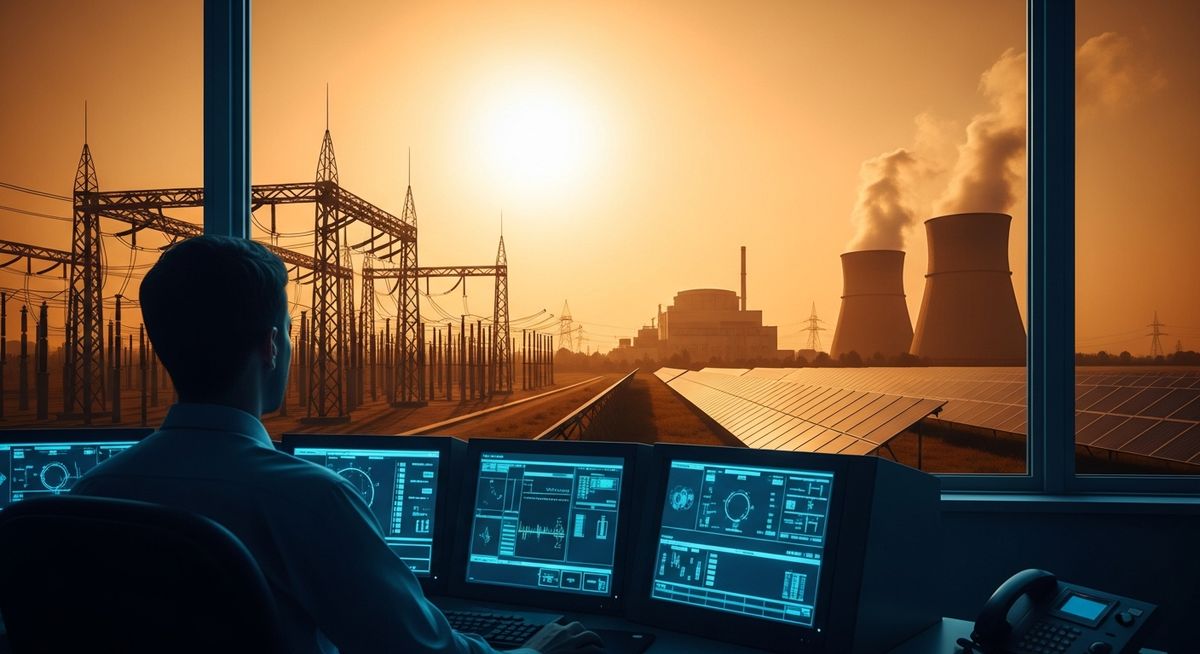
Thermal efficiency degradation simultaneously hits nuclear, gas, and renewables — what happened Temperatures exceeding 40°C reduce the efficiency of solar photovoltaic panels by up to 25%, according to a detailed factcheck published by Carbon Brief. This physical reality demonstrates that extreme heatwaves, which are becoming more intense and frequent due to climate change, directly and negatively impact global power generation infrastructure. No energy technology is completely immune to extreme temperatures, contrary to simplistic assumptions that hot summers are universally beneficial for solar power generation. The analysis published by Carbon Brief shows that as thermometers exceed normal operating thresholds, all major power sources experience capacity or efficiency losses. From nuclear plants and gas-fired units to wind and solar farms, the thermodynamic and physical limits of equipment are being tested to their absolute limits. This simultaneous degradation of performance reduces electricity supply precisely when grids are already strained by massive air conditioning demand. For photovoltaic panels, efficiency drops as the temperature of silicon cells rises above the standard test threshold of 25°C. For every additional degree Celsius, the output of a standard panel decreases by approximately 0.4% to 0.5%. At an ambient air temperature of 40°C, the surface of a solar panel exposed to direct sunlight can easily exceed 65°C, resulting in a net efficiency loss of nearly 20% during peak daylight hours. Physical limits of water and air cooling in thermal power plants The primary cause of performance degradation in conventional gas plants and nuclear reactors lies in the fundamental laws of thermodynamics and their critical reliance on water sources for cooling. Thermal power plants generate electricity by establishing a large temperature difference between the heat source and the cooling medium. When the temperature of the air or river cooling water rises, this difference narrows, automatically reducing the overall efficiency of the generation process. According to Carbon Brief data, gas-fired power plants can lose between 5% and 15% of their nominal capacity when ambient temperatures exceed 40°C. This drop occurs because the hot air drawn into combustion turbines is less dense, which reduces the mass flow of oxygen required for efficient fuel combustion and limits the maximum power output the generator can deliver to the grid. For nuclear power plants, the major vulnerability is not necessarily internal technical issues, but rather ecological and regulatory constraints. To protect aquatic ecosystems, environmental regulators impose strict limits on the temperature of warm water that plants can discharge back into rivers. When river temperatures are already elevated due to heatwaves, nuclear operators are forced to curtail reactor output or temporarily shut them down, a phenomenon frequently observed in France in recent years. Triple pressure on transmission grids and skyrocketing peak prices The direct consequence of these physical limitations is a reduction in power supply precisely when air conditioning demand hits record highs. This severe mismatch between supply and demand places extreme pressure on electricity transmission grids. High-voltage overhead lines expand under the influence of extreme heat and heavy electrical currents, which reduces their maximum safe transmission capacity and increases the risk of grid congestion. On spot energy markets, this imbalance translates instantly into record prices during evening peak hours, when solar production drops off rapidly but air temperatures remain high. To maintain system balance and prevent blackouts, operators are forced to fire up the most expensive and polluting backup capacities, such as fast-start gas turbines or coal-fired plants. These additional procurement costs are eventually passed down to end-user utility bills. Rising systemic risks for coming summers and the critical need for storage The short-term outlook indicates that energy systems will remain highly vulnerable to every forecasted heatwave. Without massive and rapid investments in battery energy storage systems (BESS) and retrofitting the cooling systems of conventional plants—such as switching to dry cooling towers that are independent of river flows—the risk of controlled load-shedding during heatwaves will continue to rise. Decisions made by regulators and system operators over the coming years will be crucial for adapting infrastructure to this new climate reality. The ultimate stress test for power grids no longer occurs only during freezing winters; it has permanently shifted to mid-summer, demanding a complete rethink of capacity reserves and regional emergency response plans.