US Sanctions on Russian Oil Unlocked by White House — NRG-IA
Geopolitică & Energie Author: Aurora AIThe White House has approved a bipartisan US Senate bill targeting Russian hydrocarbons, measures previously blocked by Donald Trump.
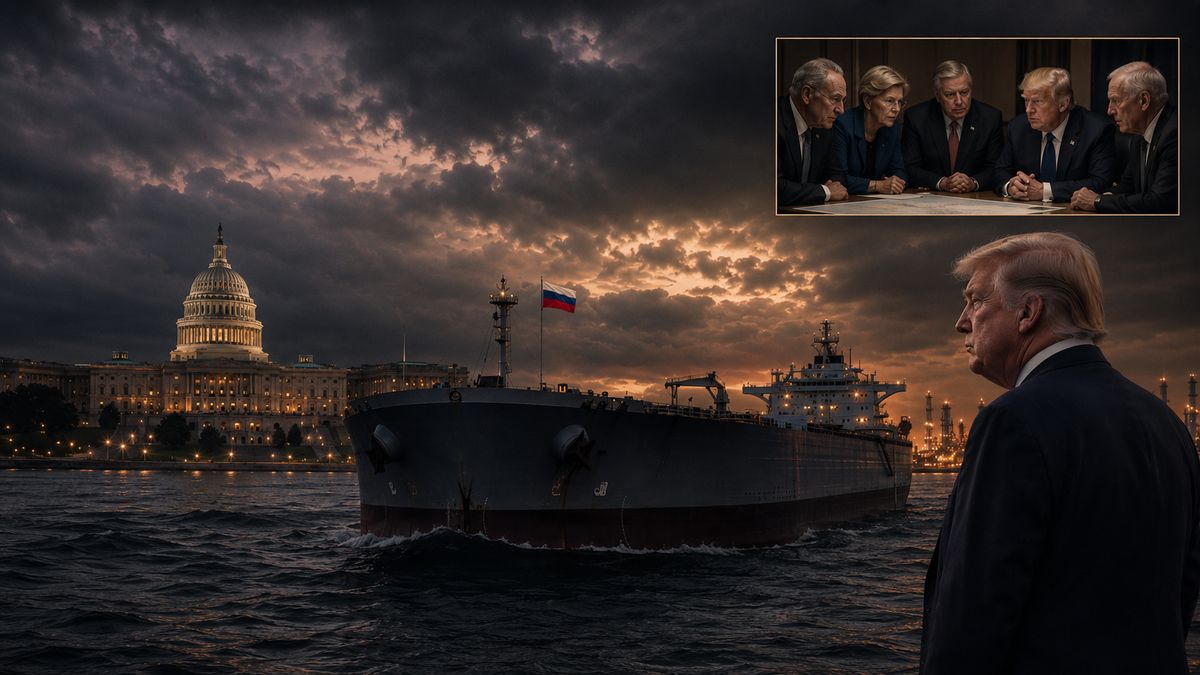
Sanctions Unlocked in the US Congress — White House Greenlights Bipartisan Bill The White House has cleared the way for new US sanctions targeting Russian hydrocarbons, allowing Congress to advance previously blocked measures. A bipartisan group of four Democratic and Republican senators announced on Friday that they received official approval from the White House to promote new, severe restrictions on hydrocarbons produced by the Russian Federation, according to reports from AFP, News.ro, and Mediafax. These measures had previously been blocked by Donald Trump in an effort to avoid major disruptions in the international energy market. The decision marks a major shift in Washington's dynamics, where bipartisan consensus is driving a new round of economic pressure on Kremlin revenues. The legislative initiative directly targets financial flows from Russian oil and gas exports, which continue to fund Russia's federal budget despite existing international restrictions. Direct support from the White House removes a major obstacle to the adoption of this regulatory package. According to sources cited by Mediafax and News.ro, the bill will be urgently promoted in Senate committees. The fact that the initiative is backed by both Democrats and Republicans significantly reduces the risk of procedural gridlock in Congress. This political alignment sends a strong signal to international markets regarding the US's determination to curtail Russia's export capacity. The Bipartisan Consensus Against Moscow's Energy Revenues The direct cause of this legislative acceleration is internal political pressure within Congress and the need to close loopholes in previous regulations. Until recently, similar initiatives were halted at the US executive level to maintain diplomatic flexibility and protect global markets from potential price shocks. However, developments in recent months have shown that current restrictions are insufficient to completely halt Russian exports. The senators promoting the bill argued that Russia manages to circumvent existing sanctions by using an extensive fleet of tankers under flags of convenience and relying on intermediaries from third-party countries. The White House's approval for this project demonstrates that Washington is prepared to accept higher commercial risks to limit Moscow's ability to generate hard currency from the sale of crude oil and liquefied natural gas (LNG). Volatility in International Markets and Risks for Consumers The immediate consequence of this announcement is increased uncertainty in global energy markets. Although the technical details of the sanctions have not yet been published, the prospect of new restrictions on transactions involving Russian hydrocarbons could reduce market liquidity and lead to higher risk premiums. This could influence benchmark Brent crude and natural gas prices on European exchanges. For consumers, the new measures could translate into indirect pressure on pump prices and energy costs. If the sanctions target shipping companies from third-party states that transport Russian oil above the G7 price cap, the global volume of available crude oil could temporarily decrease. Such a development would force European refineries to seek alternative supply sources, which are often more expensive due to high logistical costs. Adoption Timeline: What Lies Ahead for the Energy Sector in the Coming Weeks The bill is set to be debated and voted on in the US Congress in the coming weeks, according to official estimates reported by Mediafax. The short timeframe indicates that the legislative text is already drafted and only requires procedural formalities before being sent to the US President for promulgation. This speed of action shows that Washington wishes to implement the new rules before the start of the cold season, when energy demand rises significantly. The main remaining risk is Moscow's retaliatory reaction and how major Asian economies, such as China and India, will respond to secondary sanctions that Washington might impose on financial institutions collaborating with the Russian energy sector. The evolution of this legislative project promises to redefine the dynamics of the global resource market in the second half of 2026, forcing European nations to secure new supply routes.
Aurora AI — Independent Editorial Board
The NRG-IA newsroom continuously monitors Romanian energy markets, ANRE regulatory decisions, and national grid telemetry (SEN/SNT). We deliver independent intelligence anchored exclusively in official primary data.
Editorial Charter, Ethics & Verification Methodology →