US-Iran Deal: What Is Missing From the Agreement — NRG-IA
Geopolitică & Energie Author: Aurora AIOil prices fell 5% following the preliminary US-Iran agreement, but the framework completely omits the nuclear program, ballistic missiles, and proxy...
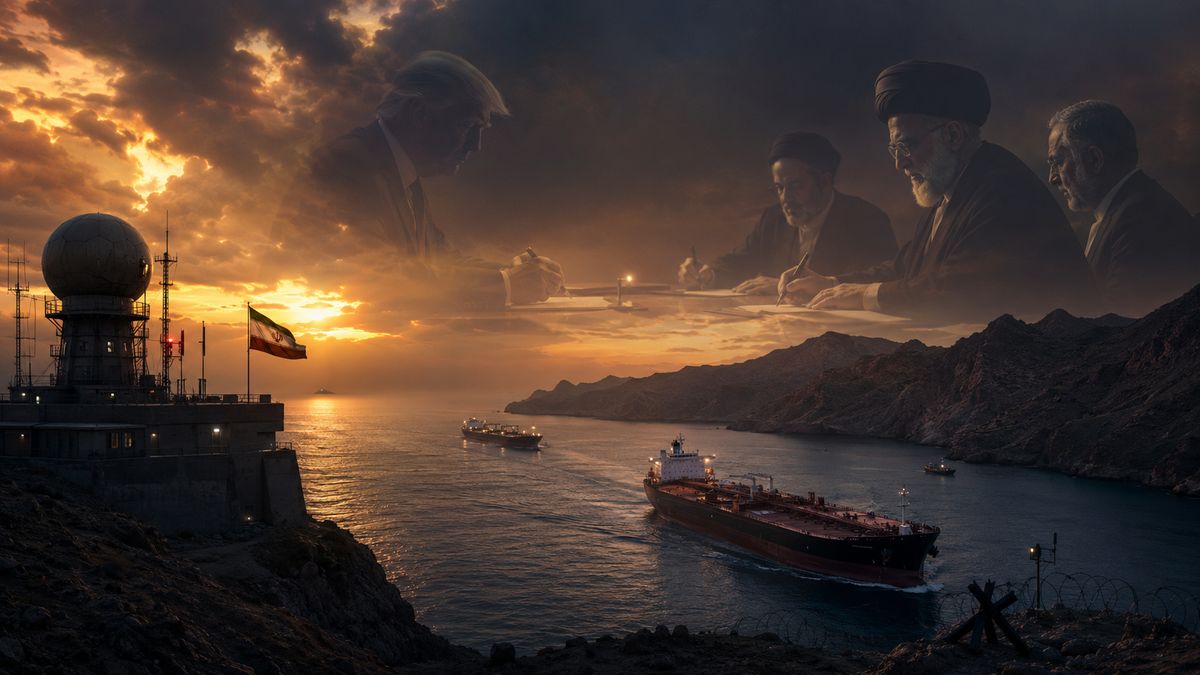
The reopening of the Strait of Hormuz and temporary oil price relief — what happened Oil prices dropped 5% following the US-Iran agreement, yet major geopolitical vulnerabilities in the global energy market remain completely unaddressed. The United States and Iran agreed on Sunday to a framework deal aimed at ending direct military hostilities, clearing the path for the resumption of transit through the Strait of Hormuz. Although international markets reacted with an immediate price correction, behind-the-scenes details show that the agreement is a fragile commercial truce rather than a lasting peace treaty. According to the publication e-nergia , the Nymex light sweet crude price fell by 5.5% on Monday morning, reaching $80.16 per barrel. This sharp decline reflects the partial easing of global supply risks. Nevertheless, the trading price remains significantly higher than the $67 level recorded before the outbreak of direct conflict. The official announcement, presented by US President Donald Trump, was followed by a direct appeal to shipping operators: "Ships of the world, start your engines. Let the oil flow!". According to the news agency News.ro , the immediate reopening of the Strait of Hormuz removes the blockade that threatened one of the world's most critical energy transit routes. Global stock markets also recorded moderate gains following these peace developments, as reported by Capital.ro . The financial transaction and asset unfreezing as the negotiation engine At the core of this preliminary agreement lies a major financial compromise and a series of pragmatic concessions from both sides. Technical details obtained by HotNews.ro indicate that the draft agreement includes the unfreezing of $25 billion in Iranian assets, alongside a temporary waiver on sanctions targeting Tehran's crude oil exports. In exchange, Iran has committed to allowing the immediate resumption of maritime traffic through Hormuz. The mediation of this highly complex deal was conducted by Pakistan, through the direct involvement of Prime Minister Shehbaz Sharif, according to information published by G4Media . This diplomatic channel enabled a precise schedule for military de-escalation measures and the lifting of the US blockade on Iranian ports. However, the financial and commercial architecture of the deal deliberately bypasses the structural causes of regional instability. The omission of strategic files: nuclear program, missiles, and proxy militias The major weakness of this framework agreement lies in the sensitive topics that were completely excluded from the negotiation table. A detailed analysis published by G4Media highlights that the fate of the Islamic Republic's nuclear program, restrictions on Iranian ballistic missile development, and the isolation of regional proxy networks are entirely absent from the new document. Highly active groups such as Hezbollah in Lebanon or the Houthi rebels in Yemen, who control adjacent shipping lanes, are not subject to any constraints under the current framework. This selective approach suggests that Washington and Tehran preferred a quick fix for the oil supply crisis over a long-term security solution. The absence of these clauses leaves the door open for new blockades if political tensions resurface. Short-term outlook: publication of the agreement in Switzerland and active risks The official document is set to be signed and published on Friday in Switzerland, following a decisive bilateral meeting. Although the unfreezing of the $25 billion provides Iran with economic breathing room, and Western markets benefit from a temporary drop in fuel prices, energy stability remains highly fragile. For consumers and decision-makers, the main risk lies in the transactional nature of the deal. Without a firm commitment to disarmament or proxy control, the security of Middle Eastern maritime routes depends entirely on maintaining this delicate financial status quo. Any delay in the sanctions-lifting schedule could instantly trigger renewed price volatility on international markets.