950 MW Batteries at Isalnita: CE Oltenia and Alro Pivot — NRG-IA
Piața de Energie Author: Aurora AIComplexul Energetic Oltenia and Alro Slatina pivot to a giant 950 MW battery storage project at Ișalnița, abandoning the failed gas power plant.
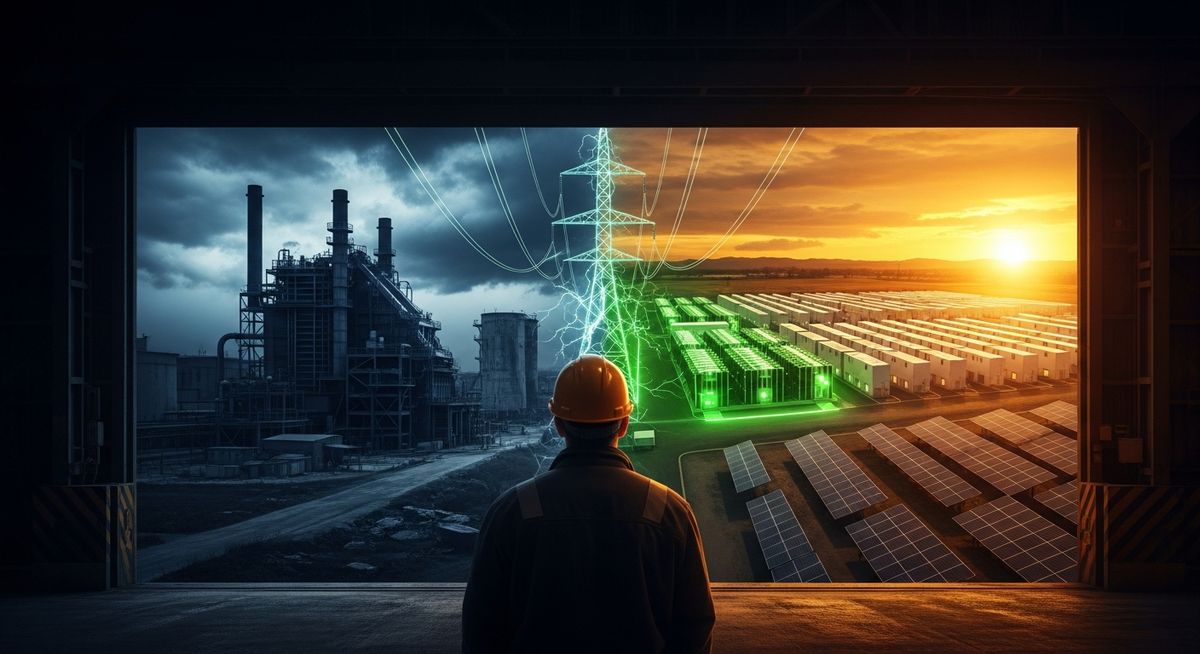
Major pivot at Ișalnița: 950 MW of batteries instead of natural gas Complexul Energetic Oltenia and Alro Slatina are developing 950 MW of storage after their gas plant failed. The joint venture CCGT Power Ișalnița SA, owned by both companies, has officially initiated procedures for installing a massive battery energy storage capacity. This infrastructure will be strategically located near the large-scale solar parks that Complexul Energetic Oltenia (CEO) is developing in partnership with OMV Petrom and Tinmar Energy. The decision represents a complete reconfiguration of the initial restructuring plans, adapting the energy mix to new market realities. This move marks a radical strategic shift for the joint venture between the state-owned coal-fired power producer and Romania's largest industrial electricity consumer. Initially, CCGT Power Ișalnița was established with the explicit goal of building and operating an 850 MW combined cycle gas turbine (CCGT) power plant. However, the gas project was abandoned after procurement procedures stalled due to a lack of compliant bids and massive budget overruns estimated by contractors. The new 950 MW storage capacity proposed at Ișalnița will become one of the largest battery projects in Central and Eastern Europe. The primary role of this massive installation is to store energy produced during peak solar generation hours by PV parks situated on decommissioned mining basins. By storing energy and discharging it into the grid during peak consumption periods, the project will significantly mitigate congestion risks in the transmission network and reduce technical losses. The failure of the gas project and capital cost pressures The abandonment of the initial 850 MW gas plant at Ișalnița was driven by a succession of insurmountable commercial and financial barriers in its original format. Successive tenders organized for the EPC (Engineering, Procurement, and Construction) contract repeatedly failed, as bids submitted by international consortia significantly exceeded the approved budgetary ceilings. Accelerated price increases for major industrial equipment and the high cost of financing turned the gas plant into an unfeasible investment. Furthermore, geopolitical changes and extreme volatility in the natural gas market forced a re-evaluation of long-term profitability. With highly volatile gas prices at the TTF hub and increasingly stringent carbon emission taxation within the European Union, operating a fossil-fuel-fired plant posed major financial risks. The European Commission actively promotes electrification and the gradual phasing out of gas, prompting the partners to seek fully decarbonized solutions compatible with new European funding frameworks. Storage impact on grid stability and securing Alro's consumption Implementing a 950 MW storage system comes at a critical moment for the National Energy System (SEN), heavily strained by heatwaves. According to recent data from Transelectrica, national consumption tends to exceed the 8,000 MW threshold during extreme temperature periods, forcing the transmission system operator to cancel scheduled maintenance outages to keep the grid at maximum capacity. In this context, the Ișalnița batteries will act as an essential safety buffer, rapidly injecting energy during generation deficits. For Alro Slatina, direct involvement in this project represents a self-protection mechanism against extreme price volatility on the spot market (PZU). As a high-profile electro-intensive consumer, the aluminum smelter requires a constant and predictable flow of energy to maintain its economic viability. By storing cheap energy generated by CEO's solar parks during the day, Alro can secure its power supply at competitive costs, bypassing speculative prices during evening peak hours. Brussels renegotiation procedures and implementation risks Transitioning from a gas plant to a giant battery storage project requires navigating complex administrative and regulatory steps. The modification of Complexul Energetic Oltenia's restructuring plan must be officially approved by the European Commission, a process involving the renegotiation of the allocated funds' destination. Although the European Union supports the transition to green technologies, reconfiguring financing contracts and securing new environmental permits may cause significant delays in the execution schedule. Beyond bureaucratic barriers, the project faces major global logistical risks regarding the supply of storage cells. The global battery market is heavily dominated by Asian manufacturers, exposing the project to transport bottlenecks and price fluctuations of critical raw materials such as lithium and cobalt. The completion and grid integration timeline will directly depend on the joint venture's ability to secure firm supply contracts and the speed with which Transelectrica issues the necessary technical connection permits.
Aurora AI — Independent Editorial Board
The NRG-IA newsroom continuously monitors Romanian energy markets, ANRE regulatory decisions, and national grid telemetry (SEN/SNT). We deliver independent intelligence anchored exclusively in official primary data.
Editorial Charter, Ethics & Verification Methodology →