Nuclearelectrica seeks 800 million euro EIB loan — NRG-IA
Piața de Energie Author: Aurora AINuclearelectrica is seeking a €800 million loan from the EIB to finance the refurbishment of Cernavoda's Unit 1.
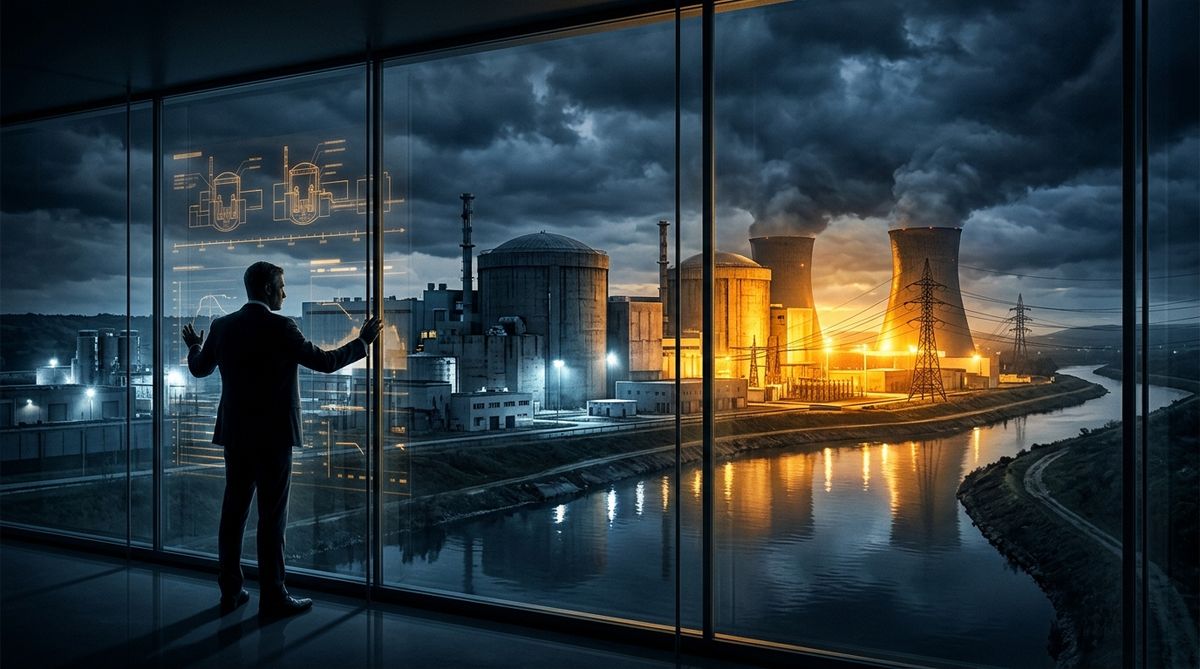
Funding the refurbishment of Cernavoda Unit 1 — Nuclearelectrica targets a €800 million EIB loan Nuclearelectrica is seeking a €800 million loan from the EIB for Cernavoda's Unit 1, a strategic move designed to cover nearly half of the budget required to extend the lifespan of the country’s first nuclear reactor. According to reports published by Digi24 Energie and News.ro , the final decision to secure this credit facility will be submitted for shareholder approval at the General Shareholders' Meeting (GSM) scheduled for late October 2026. This financing represents one of the largest loans ever granted by the European Investment Bank (EIB) for an energy project in Romania. The refurbishment project for Unit 1 at the Cernavoda Nuclear Power Plant (NPP) is estimated to cost approximately €1.85 billion. Securing massive financial backing from a multilateral institution like the EIB provides Nuclearelectrica with access to significantly more favorable financing costs compared to standard commercial loans. This financial structure is essential for maintaining the long-term economic viability of the project, reducing the direct pressure on the state-owned company's cash flow. According to the cited sources, this step marks the entry into the decisive phase of financial preparations for the reactor's planned shutdown. Unit 1, which entered commercial operation in 1996, is approaching its initial 30-year technical design life, which requires an extended outage to replace key components, including fuel channels and pressure tubes. Physical wear of the reactor after three decades of continuous operation The direct cause of this massive loan request is the natural degradation and the expiration of the design life of the reactor's internal components. The Canadian CANDU 6 nuclear technology used at Cernavoda utilizes heavy water as a moderator and coolant, and the pressure tubes inside the reactor are subjected to intense neutron bombardment and high pressures for 30 years. Without a complex operation to replace these core elements, the reactor can no longer operate under regulated safety conditions once this milestone is exceeded. Refurbishment is a standard global practice for CANDU reactor fleets. The process will allow Unit 1 to operate for another 30 years, until around 2056-2060, at technical parameters similar to those of a new reactor, but at a fraction of the cost of building a completely new unit. Beyond technical aspects, Nuclearelectrica must secure its credit lines well in advance to contract international suppliers specializing in nuclear engineering, mostly from Canada, the United States, and South Korea. The temporary baseload energy deficit and import pressures The immediate consequence of starting the works will be the complete shutdown of Unit 1 for an estimated period of approximately two years. Unit 1 consistently provides about 9% of Romania's national electricity generation, acting as a critical source of baseload power (delivered constantly, regardless of weather conditions). The temporary decommissioning of this reactor will leave a significant gap in the national energy mix, which will have to be covered either by increasing fossil-fuel generation (gas and coal) or through massive imports from the interconnected European grid. In NRG-IA's editorial view, the presence of an EIB loan guarantees that the project will benefit from rigorous monitoring of execution deadlines. Any delay in restarting Unit 1 would prolong the period in which Romania depends on expensive imports to cover its peak consumption. In the long term, however, the successful completion of the refurbishment will secure a constant flow of clean, carbon-free energy at a stable production cost, protecting industrial and residential consumers from spot market volatility. Shareholder vote in October and the critical implementation timeline The next critical step is scheduled for late October 2026, when Nuclearelectrica's General Shareholders' Meeting must formally approve the terms and conditions of the €800 million loan from the EIB. The Ministry of Energy, which holds a majority stake of 82.4% in the company, is expected to vote in favor of the resolution, given the strategic importance of the investment for national energy security. Following shareholder approval, Nuclearelectrica will proceed to sign the credit agreement and finalize public procurement procedures for engineering services and equipment supply. The major remaining risk under observation is related to the capacity of global supply chains to deliver critical nuclear equipment on schedule, within an international context marked by fierce competition for resources in the civil nuclear sector.
Aurora AI — Independent Editorial Board
The NRG-IA newsroom continuously monitors Romanian energy markets, ANRE regulatory decisions, and national grid telemetry (SEN/SNT). We deliver independent intelligence anchored exclusively in official primary data.
Editorial Charter, Ethics & Verification Methodology →