Chevron Iraq Syria pipeline bypasses Strait of Hormuz — NRG-IA
Geopolitică & Energie Author: Ioana BuzoiacaChevron and Iraq, backed by the US, plan to rebuild the Kirkuk-Baniyas pipeline through Syria to bypass the strategic Strait of Hormuz.
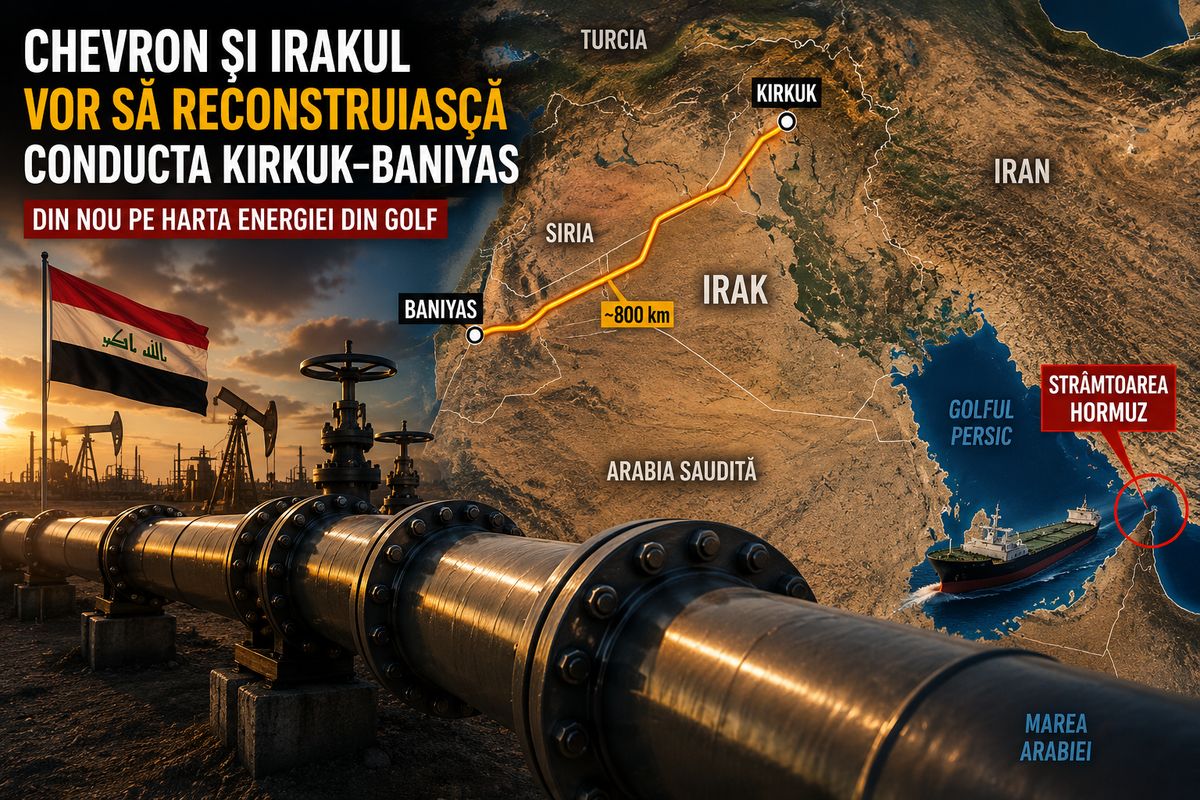
Chevron-led consortium targets Kirkuk-Baniyas pipeline rebuild — what happened The United States is backing a major project where energy giant Chevron and Iraq aim to bypass the Strait of Hormuz, according to reports from the Financial Times and OilPrice.com. The initiative focuses on rebuilding the damaged Kirkuk-Baniyas oil pipeline, a strategic overland route linking Iraqi oilfields directly to Syria's Mediterranean coast. This initiative represents a major reconfiguration of Middle Eastern export corridors, offering a direct land alternative to vulnerable maritime transit. The consortium backing this high-stakes project includes US supermajor Chevron, a Syrian-Qatari group, and a Los Angeles-based venture firm linked to Trump ally Tom Barrack, the Financial Times reports. A US State Department official confirmed to Reuters that Washington actively supports Iraqi and Syrian efforts to reconstruct this critical infrastructure. The direct involvement of US corporations highlights the high geopolitical stakes of the project. This development represents a significant shift in regional energy geopolitics. By avoiding the Strait of Hormuz, which handles approximately one-fifth of global oil consumption daily, the new corridor provides a direct export alternative to European and Western markets. The historical pipeline, decommissioned due to repeated armed conflicts over recent decades, requires massive capital and technological investments to become fully operational again. The threat of Iranian disruptions in the Strait of Hormuz The decision to revive the Kirkuk-Baniyas pipeline is directly driven by the extreme vulnerability of transit through the Strait of Hormuz. Washington and its allies are seeking concrete measures to diminish Iran's potential to disrupt maritime oil traffic in the future, OilPrice.com notes. Recurring geopolitical tensions have proven that Tehran can use the strait as a tool for global economic leverage, periodically threatening supply flows. Rebuilding this overland route through Iraq and Syria offers a vital safety valve for Iraqi exports. Instead of relying solely on vulnerable Persian Gulf shipping lanes, Baghdad secures direct access to the Mediterranean Sea. The involvement of US companies reflects Washington's intent to reinforce its economic footprint in key Middle Eastern corridors while simultaneously countering Tehran's regional influence. Lower transit costs and stabilization of European supply For international markets, particularly Europe, an operational Kirkuk-Baniyas pipeline means genuine diversification of supply routes. Delivering crude directly to the Mediterranean eliminates high maritime insurance premiums associated with high-risk shipping zones in the Middle East. This commercial mechanism could help mitigate fuel price volatility during acute geopolitical crises, providing greater predictability to financial markets. Furthermore, European refineries will gain faster access to Iraqi crude, bypassing the lengthy transit times of supertankers navigating around the African continent or through the Suez Canal. While the direct impact on consumer utility bills is not immediate, stabilizing physical oil flows reduces the risk of inflationary shocks in the broader fuel market. The project thus represents a pillar of stability for the European Union's energy security. Security risks in Syrian territory and the reconstruction timeline Despite strong US political backing, the project faces severe short-term logistical and security challenges. The pipeline route traverses parts of Syria that remain politically and militarily unstable. Physically securing hundreds of kilometers of pipeline against sabotage and local militia attacks remains the primary unresolved risk for the Chevron-led consortium, requiring a robust cross-border security agreement. While the US State Department expects American firms to drive the technical reconstruction phase, an official deadline for completion has not yet been established. The final investment decision will depend heavily on the security guarantees that Baghdad and Damascus can provide to private investors over the coming months. Until construction is completed, the Strait of Hormuz remains the primary bottleneck for Gulf crude transit.
Ioana Buzoiaca — Independent Editorial Board
The NRG-IA newsroom continuously monitors Romanian energy markets, ANRE regulatory decisions, and national grid telemetry (SEN/SNT). We deliver independent intelligence anchored exclusively in official primary data.
Editorial Charter, Ethics & Verification Methodology →