Cuba Massive Power Outage Hits Havana and 5 Provinces — NRG-IA
Piața de Energie Author: Aurora AIFive Cuban provinces, including the capital Havana, lost electricity on Saturday evening following a partial collapse of the national power grid.
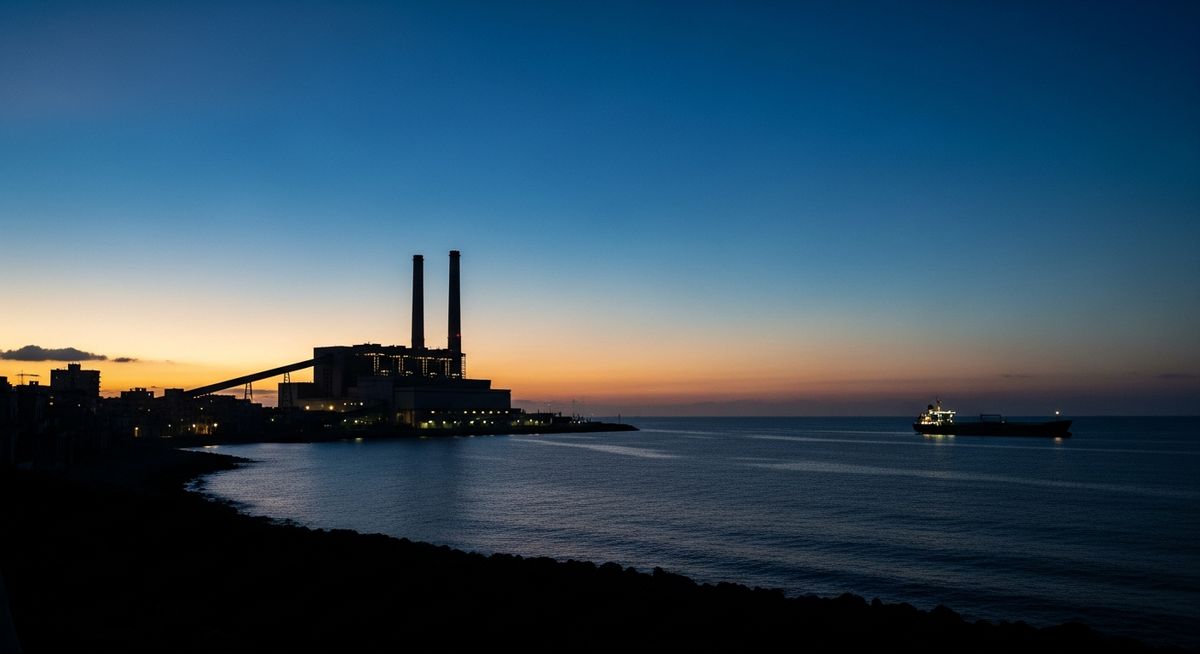
Partial failure of the electric grid paralyzes western Cuba — what happened Five Cuban provinces, including the capital Havana, lost power on Saturday, affecting millions of citizens. The failure occurred at 18:07 local time (22:07 GMT), according to data released by the Cuban Electric Union (UNE) and reported by Le Figaro, cited by Mediafax. This major outage paralyzed the western part of the island, a region already vulnerable from both economic and social standpoints. The National Electric System (SEN) suffered a "partial failure" due to damages to the high-voltage transmission network. For a total population of 9.4 million inhabitants, the lack of electricity blocks basic economic activities and the operation of essential public services. In Havana, power outages have recently exceeded 30 consecutive hours, while in the interior provinces, interruptions can last for several days in a row. This is not an isolated incident, but part of an unprecedented systemic crisis that has worsened in recent months. Since the beginning of the year, Cuba has recorded five generalized blackouts, three of which occurred in July alone, within a span of less than ten days. The repetition of these technical collapses shows the accelerated degradation of the country's entire energy infrastructure, which has not received major investments for over three decades. Critical fuel shortages and external sanctions on oil shipments The primary source of the technical collapse is the acute shortage of fuel to power thermal power plants and emergency generators. According to official reports cited by Mediafax, the island's diesel and crude oil reserves are nearly depleted. Without these vital resources, the national grid becomes extremely unstable and highly sensitive to any load fluctuation or minor fault on transmission lines. The situation has worsened significantly this year, amid tightening economic sanctions and diplomatic pressure exerted by the United States. Washington has applied strict control measures on maritime oil shipments destined for Cuba, drastically limiting the country's ability to import fuel from traditional sources like Venezuela. This de facto blockade has left Cuban power plants without the raw material needed for daily operations. In this context of energy isolation, alternative deliveries have been extremely limited and insufficient to stabilize the system. Since January, only one large Russian oil tanker has been recorded arriving, in March. The vessel carried 100,000 tons of crude oil, a quantity totally insufficient to cover domestic consumption in the medium term or to allow the creation of strategic reserves. The collapse of backup generators and direct impact on the population The direct consequences of the fuel shortage go beyond the simple shutdown of large state-owned thermal power plants. The Cuban Electric Union (UNE) explained that the fuel deficit prevents the use of backup generators (distributed power groups across the territory), which should take over the load in case of failure. This safety mechanism, designed to prevent a total blackout, is completely blocked due to the lack of imported diesel. Without a rapid operational reserve, any minor failure on the high-voltage lines propagates instantly throughout the entire national system. For the population, life without electricity means the rapid loss of food due to lack of refrigeration, the shutdown of drinking water pumps, and the blocking of communication networks. Cuba's economy, already hit by a severe crisis over the last five years, risks an even sharper contraction due to these prolonged outages. The risk of new systemic failures in the absence of urgent crude imports Short-term prospects remain extremely bleak for the Cuban energy system in the absence of a rapid logistical solution. As long as the Cuban infrastructure depends on fuel imports that it cannot pay for or transport due to sanctions, the power grid will continue to operate at its breaking point. Repairing the current failure is directly hindered by the same financial and technical limitations. Regional geopolitical tensions, amplified by the highly complex relations between the US, Cuba, and its commercial allies, block swift diplomatic solutions. In the interpretation of NRG-IA, the risk of new generalized blackouts remains extremely high in the coming months. Without an easing of trade restrictions or massive external support, Cuba's national power grid is heading toward an irreversible state of degradation.