Clocotiș Hydro Plant: CE Oltenia to Invest 70M RON — NRG-IA
Piața de Energie Author: Aurora AIComplexul Energetic Oltenia allocates 70 million RON to modernize the Clocotiș hydro plant, its sole green power generation asset.
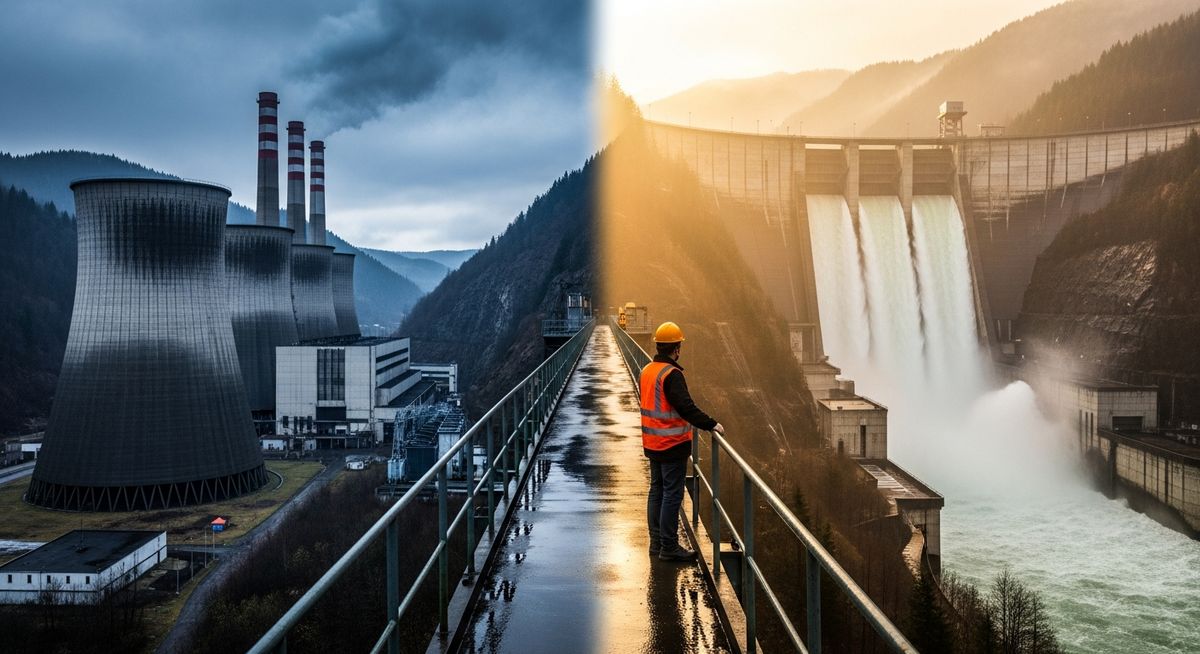
Rehabilitation of Clocotiș Hydro Power Plant — CEO invests 70 million RON in its sole green hydro asset Complexul Energetic Oltenia (CEO) is allocating 70 million RON to modernize its only hydro power plant, Clocotiș, a strategic move to maintain flexible generation capacity amid decarbonization. This decision marks a shift in pace for the management of auxiliary assets by the national energy giant. The state-owned producer has officially launched a public tender in the public procurement system (SICAP) for the design, equipment supply, and execution of comprehensive rehabilitation works. The project targets a deep modernization of technological installations, turbines, and automation systems at the plant. The Clocotiș hydro plant represents a historical anomaly in the coal giant's portfolio, being the only hydro generation unit directly owned by the company. The rest of CEO's production assets are strictly concentrated in large lignite-fired power plants. The rehabilitation works will extend the plant's operational lifespan by at least 20 years and significantly increase its energy efficiency. In the current market environment, every megawatt-hour produced without carbon dioxide emissions represents a direct financial gain for the state-owned company. CEO is spared the cost of purchasing CO2 certificates associated with coal power for the energy delivered by Clocotiș. Restructuring plan and CO2 certificate pressure force the coal giant to diversify The decision to invest heavily in the rehabilitation of the Clocotiș hydro plant is closely linked to the restructuring and decarbonization plan that Complexul Energetic Oltenia must implement under European Commission supervision. The company is required to gradually reduce its reliance on lignite. This fuel has become highly expensive due to the high price of greenhouse gas emission certificates. Although CEO is developing large photovoltaic parks in partnership with various investors and planning new gas-fired units at Turceni and Ișalnița, the Clocotiș hydro plant remains a valuable asset due to its ability to provide baseload or peak power. This production is independent of weather conditions affecting solar energy. The modernization of this unit was postponed for years due to the company's liquidity crises, but technical degradation has made intervention urgent. Impact on the national energy system: balancing energy and reduced operating costs for CEO The completion of the works will strengthen Complexul Energetic Oltenia's position on the ancillary and balancing services market, where hydro energy is highly sought after and well compensated. For the national power grid, a modernized hydro plant means an additional source of flexibility. The grid is increasingly strained by the massive integration of intermittent renewable sources, and hydro energy offers instantaneous stability. Financially, the modernization will lower corrective maintenance costs, which had risen significantly due to the wear and tear of aging equipment. Furthermore, the optimal operation of the Clocotiș plant will generate steady and predictable revenues. These cash flows can be used to co-finance other investment projects within the company's energy transition plan. Project timeline: tender deadline and remaining implementation risks Interested companies have a limited timeframe to submit bids in SICAP, with the technical and financial evaluation expected to determine the winner by the end of this year. The estimated duration of the works is 24 months from contract signing. The hydro plant could operate at full rehabilitated capacity starting in the second half of 2028. The main risk identified by specialists lies in the potential prolongation of procurement procedures due to potential appeals. This is a frequent practice in large energy infrastructure projects in Romania. Any further delay exposes the asset to the risk of major breakdowns that could completely shut down the hydro plant before actual work begins.
Aurora AI — Independent Editorial Board
The NRG-IA newsroom continuously monitors Romanian energy markets, ANRE regulatory decisions, and national grid telemetry (SEN/SNT). We deliver independent intelligence anchored exclusively in official primary data.
Editorial Charter, Ethics & Verification Methodology →