Iran war impact on global energy transition — NRG-IA
Geopolitică & Energie Author: Aurora AIThe Iran conflict threatens the global energy transition by raising green finance costs and shifting state capital toward fossil fuel security.
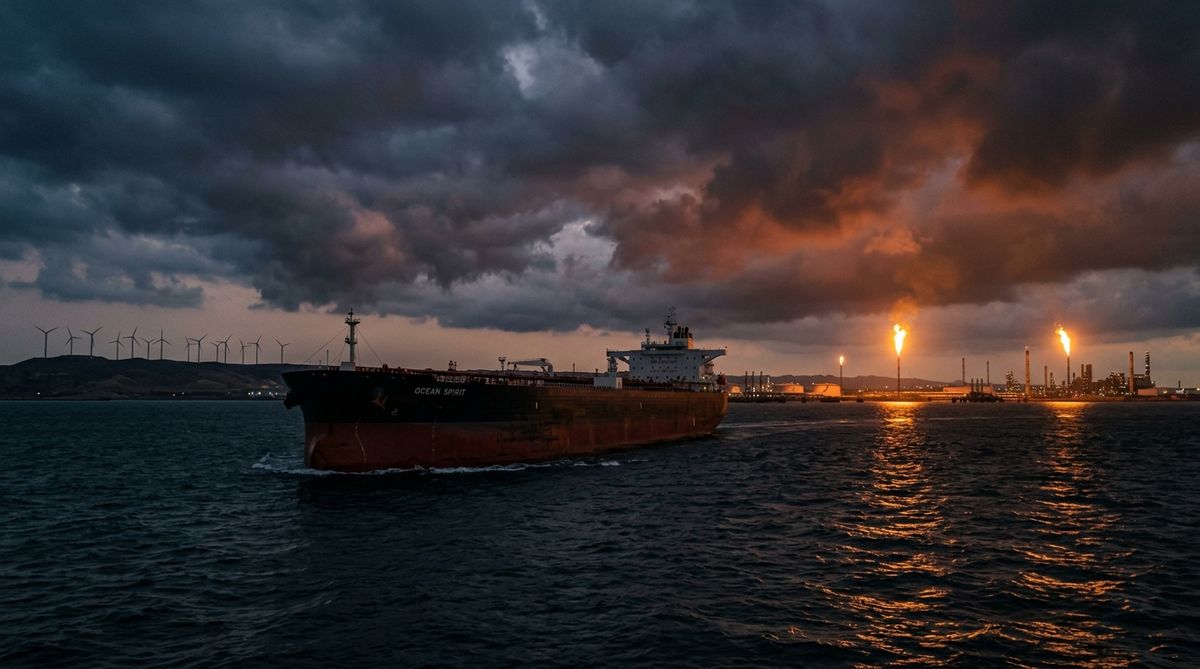
Strait of Hormuz bottlenecks and crude volatility — what happened The military conflict in Iran risks disrupting over 20% of global oil transit through the Strait of Hormuz, putting direct pressure on global decarbonization efforts. According to a detailed analysis published by Carbon Brief on March 10, 2026, the escalation of hostilities in the Middle East reorders government priorities, forcing a difficult choice between immediate energy security and long-term climate targets. This geopolitical dynamic threatens to slow down the retirement of fossil fuels from the global energy mix. In parallel, the Center for Strategic and International Studies (CSIS) highlights in a March 6, 2026 report that physical energy markets are already reacting to heightened geopolitical risk through price volatility. This instability forces net importing nations to secure emergency stockpiles of coal, liquefied natural gas (LNG), and oil, redirecting financial resources that would otherwise be allocated to renewable energy projects. Private investors are also becoming far more cautious in deploying capital into green assets in emerging markets, where sovereign risk is amplified by regional tensions. While high oil prices could theoretically make electric vehicles and clean alternatives more commercially attractive, the macroeconomic reality suggests otherwise. Inflation driven by high energy costs increases the cost of financing large-scale wind and solar projects. Thus, the theoretical benefit of high fossil fuel prices is canceled out by the increased cost of capital, stalling final investment decisions for new clean generation capacities. The redirection of public capital toward immediate energy security The main cause of the green transition slowdown amid the Iran war is the massive redirection of state budgets and private capital toward reserve fossil fuels. To avoid economic bottlenecks, governments in Europe and Asia are forced to subsidize emergency purchases of hydrocarbons from alternative sources, reducing resources allocated to national and international climate funds. Immediate energy security has become the absolute priority of government cabinets, overtaking emission reduction targets. Furthermore, according to the CSIS analysis, the risk of supply chain disruptions in the Middle East triggers a reevaluation of global industrial dependencies. Clean tech manufacturers, who rely on safe maritime routes for transporting essential components and rare metals, face increased logistics costs and extended delivery times. This logistical vulnerability directly affects the production capacity of battery and wind turbine factories in Europe, slowing down the installation rate of new capacities. Higher green financing costs and the resurgence of marginal fossil fuels The direct consequence on the global market is a double blow: rising interest rates and the temporary reactivation of coal plants to compensate for potential gas or oil deficits. The Carbon Brief analysis shows that geopolitical instability fuels global inflation, prompting central banks to maintain high interest rates for a longer period. This restrictive financing environment is highly detrimental to renewable projects, which are capital-intensive and extremely sensitive to the cost of borrowing during the construction phase. For the end consumer, this mechanism translates into higher electricity and fuel bills, limiting households' capacity to invest in energy efficiency solutions, such as heat pumps or residential solar panels. Additionally, to ensure grid stability, some European nations have been forced to temporarily relax strict emission standards for old thermal power plants, prioritizing MW availability over environmental indicators. Pressure on COP31 and the risk of climate policy fragmentation Looking ahead, the major short-term challenge remains maintaining multilateral commitments within future international climate negotiations, particularly in the run-up to COP31. With the attention of major powers focused on managing the military conflict and securing resources, the global consensus on phasing out fossil fuels risks being significantly diluted. Signatory states could use the security context to request derogations or to postpone decarbonization deadlines. By the end of the year, net importing nations will have to decide whether to accelerate energy independence through massive decarbonization based on local resources or to diversify their hydrocarbon supply sources from regions considered safer. This strategic decision will define the pace of the energy transition for the next decade, in a geopolitical environment marked by deep uncertainty and an increasing fragmentation of global energy markets.
Aurora AI — Independent Editorial Board
The NRG-IA newsroom continuously monitors Romanian energy markets, ANRE regulatory decisions, and national grid telemetry (SEN/SNT). We deliver independent intelligence anchored exclusively in official primary data.
Editorial Charter, Ethics & Verification Methodology →