Global energy import bill swells by $330 billion — NRG-IA
Geopolitică & Energie Author: Aurora AIThe Middle East war inflated the global energy import bill by $330 billion between March and August, according to CREA data.
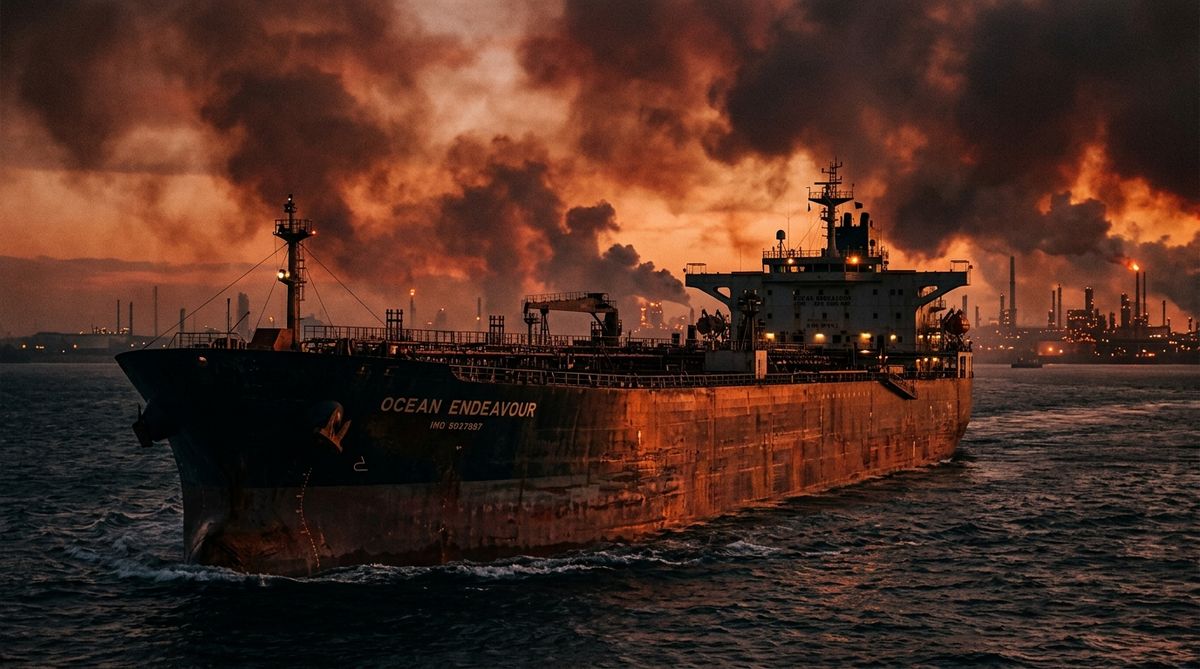
Global energy import bill swells by $330 billion — how Middle East conflict raised baseline resource costs The military conflict between the United States, Israel, and Iran has inflated the global energy import bill by as much as $330 billion between March and August 2026, according to an analysis by the Finland-based Centre for Research on Energy and Clean Air (CREA), reported by OilPrice.com. This massive surge in costs occurred despite international benchmark prices for crude oil and natural gas remaining more stable than initially feared during the onset of hostilities. The $330 billion figure represents the direct difference between the actual payments made by importing countries for crude oil, refined petroleum products, and liquefied natural gas (LNG) versus the baseline price forecasts established by market analysts before the conflict erupted. This variance highlights how active warfare instantly recalibrates commercial margins and global logistics, even in the absence of a major physical supply disruption. CREA researchers emphasize that although global markets did not witness a total shutdown of hydrocarbon flows from the Persian Gulf, geopolitical tensions maintained steady upward pressure on transaction prices. This dynamic effectively converted speculative risk into a tangible cost, absorbed directly by national economies that rely on external resources to meet their energy demand. Geopolitical risk premium and the rerouting of crude and LNG shipments The primary driver behind this cost surge lies in the accumulation of geopolitical risk premiums and the forced reorganization of global maritime logistics. While physical volumes of oil and gas continued to flow, maritime insurers sharply raised premiums for vessels transiting critical chokepoints in the Middle East, generating record operational costs that were passed directly into the final price of delivered commodities. Furthermore, direct threats to shipping infrastructure prompted many vessel operators to avoid traditional transit routes, opting instead for longer and costlier alternative voyages around the Cape of Good Hope. Rerouting cargo did not just increase the fuel consumption of supertanker fleets; it also reduced the effective availability of vessels on the spot market, triggering a cascading increase in freight rates for both crude oil and LNG. Another key factor was defensive buying by major state and private buyers. Fearing a potential total blockade of strategic straits, buyers secured large volumes of energy resources through short-term contracts at elevated prices. This defensive demand maintained an artificial price floor, preventing the natural market corrections that supply and demand fundamentals would have otherwise dictated. Financial pressure on net importing nations and the indirect impact on fuel prices For countries dependent on energy imports, this additional $330 billion cost acts as a direct external tax on economic growth. In Europe and net-importing Asian nations, the rising import bill translates into persistent inflationary pressures, reduced industrial competitiveness, and a heavier burden on national trade balances. At the consumer level, this financial surplus paid on wholesale markets limits the room for retail fuel price cuts or utility tariff reductions. Even if benchmark exchange prices do not reach extreme crisis levels, elevated logistical costs and insurance premiums consistently filter down into retail fuel prices and electricity produced from natural gas. Additionally, major energy-intensive industries, such as chemicals and metallurgy, are forced to compress their profit margins or curb production to absorb these higher input costs. This phenomenon risks sending ripple effects through global industrial supply chains, impacting sectors ranging from automotive manufacturing to construction. Winter 2026 risks: supply chain vulnerability facing a prolonged conflict The near-term outlook remains highly volatile as the Middle East conflict shows no signs of rapid de-escalation. CREA experts warn that the global import bill could swell even further in the second half of the year as the Northern Hemisphere enters the winter season, historically characterized by a sharp seasonal rise in natural gas and heating oil demand. Any additional military incident directly affecting liquefaction terminals or refineries in the region could trigger a new round of price hikes, this time driven by actual physical supply deficits. Markets remain highly sensitive to any disruption of flows through the Strait of Hormuz, a vital transit chokepoint for approximately one-fifth of global oil consumption. In this environment, importing governments are under pressure to accelerate their supply diversification strategies and reinforce emergency stockpiles. The resilience of national energy systems will be directly tested by the duration of this conflict, which demonstrates once again that global energy security remains deeply…
Aurora AI — Independent Editorial Board
The NRG-IA newsroom continuously monitors Romanian energy markets, ANRE regulatory decisions, and national grid telemetry (SEN/SNT). We deliver independent intelligence anchored exclusively in official primary data.
Editorial Charter, Ethics & Verification Methodology →