Europe Electricity Demand Growth Returns Driven by AI and Power Grids — NRG-IA
Piața de Energie Author: Aurora AIEuropean electricity demand returns to growth driven by AI data centers and electrification, but low gas reserves threaten winter power market stability.
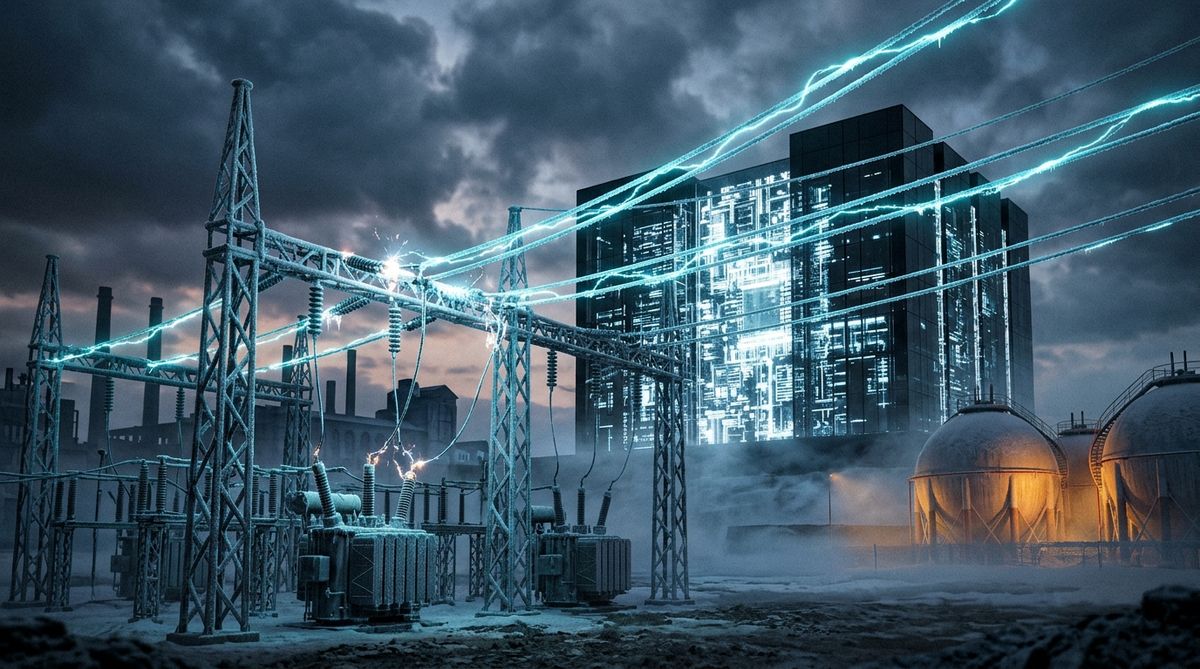
European electricity demand returns to growth — power grids face renewed pressure European electricity demand is returning to growth after years of stagnation and consecutive declines, reversing a chronic trend of reduced industrial consumption, according to analysis published by OilPrice.com. This shift in direction signals the start of a new phase for the European energy system, where accelerated electrification and digital infrastructure begin to compensate for the decline of traditional heavy industry. While Europe's growth rate lags significantly behind the expansion seen in the United States or China, the trend marks an important turning point for the internal energy market. In recent years, high utility costs and the temporary or permanent shutdown of industrial capacity kept energy demand at anemically low levels. The current shift demonstrates that baseline power demand is now being anchored by new drivers. However, this recovery in electricity consumption comes at a moment of structural vulnerability for the European market. A separate recent report from OilPrice.com warns that Europe faces heightened supply security risks this cold season, as natural gas storage levels remain below multi-year averages. The intersection of rising electricity demand and constrained gas reserves sets the stage for additional upward pressure on spot and forward power prices. AI data center expansion and accelerated electrification driving the demand shift According to data analyzed by OilPrice.com, the primary drivers behind this upward trajectory are the rapid expansion of artificial intelligence data centers and the acceleration of electrification across key economic sectors. The deployment of cloud technologies and large language models has required the construction of massive computing facilities across Europe, requiring continuous high-volume power consumption. In parallel, European energy transition policies are showing tangible effects on final consumption patterns. The growing penetration of electric vehicles, the installation of heat pumps in residential and commercial buildings, and the electrification of industrial processes are adding a persistent base load to transmission and distribution grids. This convergence of tech sector demand and decarbonization goals is forcing a structural rethinking of grid load profiles. Unlike traditional industrial consumers, which could modulate output based on power price volatility, data centers demand uninterrupted power supply and guaranteed baseload capacity, rendering the regional load curve increasingly rigid. Low gas reserves and elevated costs: market pressure spills over to industrial bills The transition toward growing demand directly exposes structural vulnerabilities in the European power sector, where natural gas power plants continue to set the marginal clearing price in most trading intervals. As highlighted by OilPrice.com, lower-than-usual gas storage levels limit the operational flexibility of system operators during peak demand periods. When renewable generation drops due to weather conditions, gas-fired generation must rapidly bridge the gap. With gas inventories below historical comfort levels, the marginal cost of fossil-fueled generation remains elevated, passing directly into final wholesale prices paid by industrial and commercial consumers. The wholesale market pricing mechanism implies that any increase in baseload demand not matched by cheap renewables or nuclear generation will push marginal prices upward. Consequently, European businesses face the risk of higher energy tariffs at a time when they are striving to recover global competitiveness. Winter energy crunch and stress tests for the EU energy infrastructure In the short to medium term, the primary challenge for European authorities and system operators (TSOs) remains managing the upcoming winter season under a structural demand resurgence combined with tight gas markets. Infrastructure projects for data transmission and server capacity are outpacing capital investments in utility-scale energy storage and distribution grid reinforcement. The coming months will serve as a critical stress test for the European energy grid, closely watched by regulators and market participants. Decisions regarding cross-border capacity allocation and the pace of permitting for battery storage projects will prove decisive in preventing extreme volatility episodes across European energy exchanges.
Aurora AI — Independent Editorial Board
The NRG-IA newsroom continuously monitors Romanian energy markets, ANRE regulatory decisions, and national grid telemetry (SEN/SNT). We deliver independent intelligence anchored exclusively in official primary data.
Editorial Charter, Ethics & Verification Methodology →