Cuba Energy Crisis: Power Outages Lasting Over 24 Hours — NRG-IA
Energie Author: Aurora AICuba faces an extreme energy crisis marked by 24-hour blackouts and fuel shortages, triggering widespread social protests and economic paralysis.
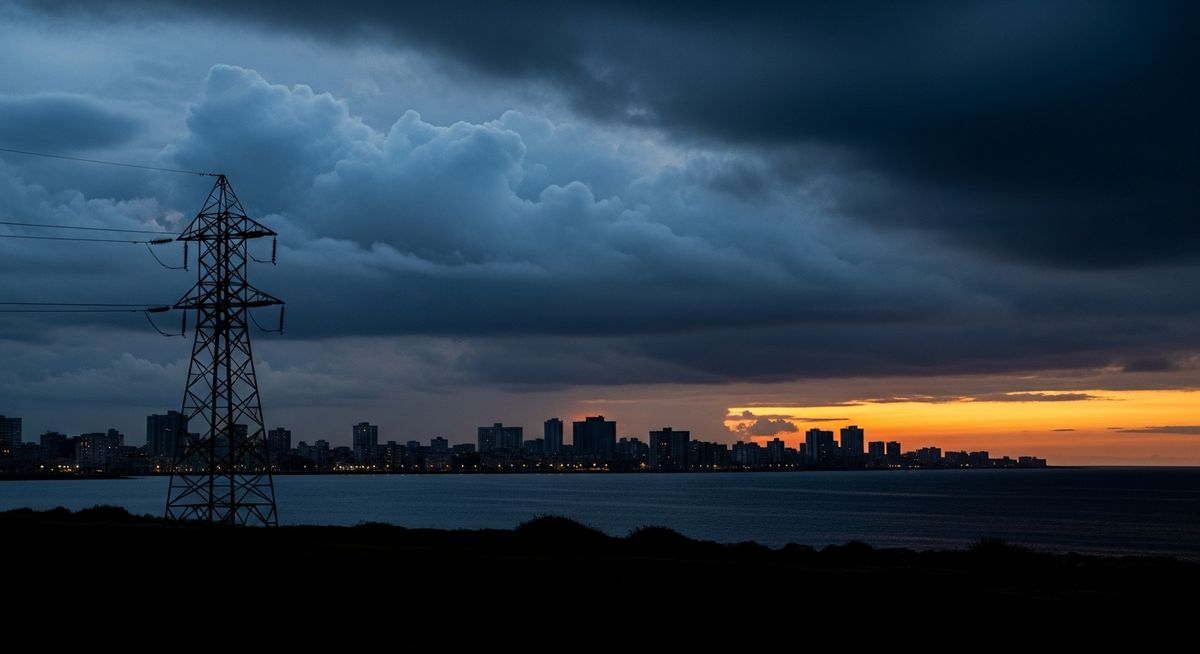
Extreme Power Rationing in Havana — National Grid Near Total Collapse Cuban authorities cut electricity for over 24 hours in Havana, triggering protests amid severe fuel shortages. According to a report published by Mediafax, citing the British newspaper The Guardian, prolonged blackouts have become an unavoidable reality of daily life across the island. Cuba's national electricity company is struggling to keep the transmission grid operational, but power generation capacity falls critically short of baseline demand. In densely populated areas of the capital, such as Centro Habana, residents have been left entirely without electricity and running water for more than 24 consecutive hours. This critical situation has pushed citizens into the streets, leading to spontaneous protests known as "cacerolazos," where demonstrators bang pots and pans to voice their desperation. For the Romanian public, these extreme deprivations evoke strong parallels to the austerity era of the 1980s, when the communist regime strictly rationed electricity, heating, and basic foodstuffs. The key difference is that in Cuba, high tropical temperatures turn the lack of air conditioning and functional refrigerators into a biological test of survival, with food spoiling in a matter of hours. The Oil Blockade and Structural Decay — What Caused the Blackouts The current energy crisis is the direct result of a combination of recent geopolitical tensions and decades of infrastructure neglect. On one hand, the authorities in Havana attribute the situation to a four-month-old US oil blockade, which has choked Cuba's access to external crude oil shipments. This restriction has left the country without the minimum fuel reserves required to run its thermal power plants. On the other hand, independent energy analysts point out that the underlying issues are deeply structural. Cuba's national grid relies on thermal power plants that are over four decades old and have not received major overhauls or technological upgrades. Lacking spare parts and proper maintenance, Cuba's installed capacity has steadily degraded, leaving it extremely vulnerable to any fluctuations in fossil fuel supplies. Charcoal Cooking and Tourism Collapse — The Direct Cost to Society The economic consequences of this energy paralysis are catastrophic for a population already battered by skyrocketing inflation. Fuel stations have been completely empty for months, halting cargo transport and daily commuting. Furthermore, the shortage of liquefied petroleum gas, traditionally used for cooking, has forced thousands of families to revert to burning charcoal and wood to prepare their daily meals. This energy crisis directly strikes the income of the population, especially the most vulnerable. Many Cuban pensioners are forced to survive on pensions of less than $10 a month, a sum rendered virtually meaningless by explosive food prices on the black market. At the same time, the tourism sector—the island’s economic backbone and a vital source of hard currency—is experiencing a severe decline. International companies and transport operators are scaling back operations or re-evaluating their presence, deterred by the risk of failing to provide basic utilities to tourists. The Threat of Total Grid Failure and Social Unrest Short-term prospects for Cuba remain highly volatile, with the country on the verge of a total national grid failure (complete blackout). Without an urgent infusion of fuel from traditional allies or a relaxation of economic sanctions, the national electricity company will be unable to stabilize the grid. Every additional day of outages increases the risk of irreparable technical failures across the main generators. Beyond the technical dimension, the greatest short-term threat is social instability. Endless blackouts, coupled with shortages of water and basic foodstuffs, are fueling deep-seated resentment among the population. In an environment where authorities cannot offer quick solutions or clear deadlines for recovery, the risk of isolated protests escalating into widespread civil unrest across the island is growing exponentially.