From 5,256 Meters Below Caragele to the Strait of Hormuz: How Domestic Production Will Cover 4% of Winter 2026 Needs Amid Rising Oil Prices — NRG-IA
Piața de Energie Author: NRG-IAAnalysis of how Caragele drilling and the Neptun Deep project counter oil price hikes caused by tensions in the Strait of Hormuz.
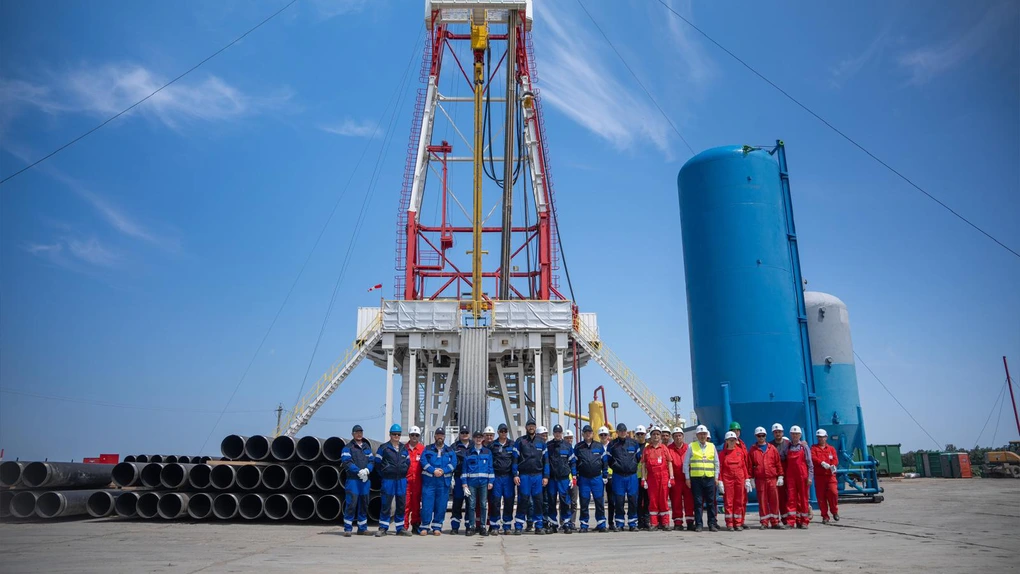
Global Context: The Hormuz Paradox and Supply Fragility The international energy market is navigating a period of major uncertainty, marked by a striking contrast between official diplomacy and logistical realities on the ground. Although the United States and Iran have announced a fragile truce, Iranian control over the Strait of Hormuz remains a critical pressure factor. On Thursday, US oil prices rose by 4%, a direct reaction from investors realizing that trade flows through this strategic point are still under Tehran's strict monitoring. In this tense landscape, the transit of the Gabonese-flagged tanker MSG—the first non-Iranian vessel to cross the strait after the ceasefire—represents a signal testing the limits of this agreement. However, volatility remains the keyword. While some investors placed massive bets of nearly $950 million on falling prices just before the truce announcement, the real market is reacting to the risks of disruptions in liquefied natural gas (LNG) supply chains. Domestic Cost Analysis: The 45-Bani Rule and Consumer Pressure Romania is not isolated from these tectonic shifts in the global market. Energy Minister Bogdan Ivan recently articulated a direct correlation that serves as a barometer for household and industrial consumers: every $10 increase in the price of a barrel of oil translates into an increase of approximately 0.45 RON per liter of diesel at the pump. This "45-bani rule" highlights the national economy's vulnerability to external factors, despite recent administrative measures. Although the reduction of the excise duty on diesel brought an immediate price drop of 36 bani per liter at most gas stations, this fiscal "shield" risks being quickly neutralized if international quotes continue their upward trend. The Romanian state is in a race against time to find new levers to mitigate the impact, as Europe faces the prospect of a natural gas crisis—not necessarily due to a lack of resources, but due to logistical bottlenecks and high transport costs. Pillars of Resilience: The Caragele Record and the Neptun Deep Horizon The counterweight to this external instability comes from investments in domestic production. The Caragele project, managed by Romgaz, recently reached a historic technological milestone: the 76 Rosetti well reached a depth of 5,256 meters. This achievement is not just a drilling record, but a concrete element of energy security. It is estimated that the entire field will provide approximately 4% of the total production needed for the winter of 2026-2027, offering a breath of fresh air at a time when LNG imports are becoming uncertain and expensive. "The Neptun Deep project will bring over 20 billion euros to Romania's budget, without introducing new taxes, with estimated annual revenues of 1.5-2 billion euros starting from 2027," emphasized former Energy Minister Virgil Popescu. This financial outlook indicates that, although 2026 will be a transition year marked by volatility, the completion of major extraction projects can transform Romania from a witness to price fluctuations into a pole of regional stability. Implications and Outlook for the Energy Market Analyzing current data, we can identify three vectors that will shape energy prices in the coming quarters: Transmission Effect: Natural gas and electricity prices will remain closely linked to oil quotes as long as the European energy mix depends on gas plants to balance renewable production. Tactical Independence: Bringing the fourth well at Caragele into production in Q2 2026 will reduce dependence on spot gas markets during peak consumption periods. Fiscal Pressure: The government will be forced to juggle between reducing excise duties and the need for budget revenues, in a context where Neptun Deep is still a few years away from providing steady cash flows. In conclusion, electricity and fuel prices in Romania in 2026 are the result of a struggle between destabilizing forces in the Middle East and technological consolidation forces at the local level. The depth record at Caragele is more than a technical figure; it is a barrier against the shockwaves crossing the Strait of Hormuz. This article was generated with the assistance of Aurora AI and editorially verified.
NRG-IA — Independent Editorial Board
The NRG-IA newsroom continuously monitors Romanian energy markets, ANRE regulatory decisions, and national grid telemetry (SEN/SNT). We deliver independent intelligence anchored exclusively in official primary data.
Editorial Charter, Ethics & Verification Methodology →