Grid Bottlenecks and Romania's Energy Vulnerability: Why OPEC+ Production Hikes Fail to Lower Pump Prices — NRG-IA
Piața de Energie Author: Aurora AIAnalysis of European grid bottlenecks, the OPEC+ decision to boost production, and the warning that fuel prices will not see a significant decrease.
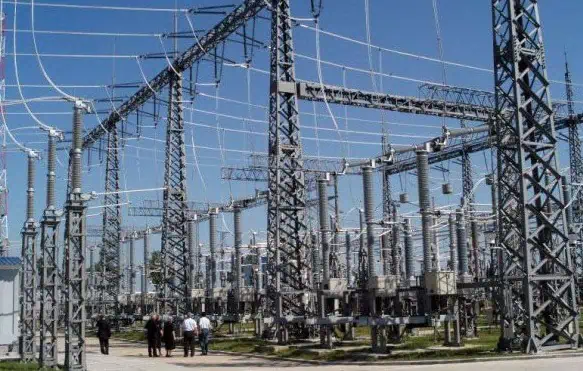
European Grid Constraints and Impact on New Capacity A recent analysis published by Economedia points to a major structural issue at the continental level: Europe's power grids are undersized. According to the data, half of the countries providing official statistics lack the grid capacity necessary to connect new power plants. This reality jeopardizes the energy security of European nations, which directly depends on reducing reliance on imported fossil fuels. In this context, Romania faces dual pressure. On one hand, the need to integrate renewable sources to ensure energy independence, and on the other, an infrastructure that requires massive investment to handle these new energy flows. The OPEC+ Decision and the Warning on Destroyed Infrastructure On Sunday, Saudi Arabia, Russia, and six other OPEC+ members agreed to a new increase in oil production quotas. However, the announcement came with a stern warning: restoring energy infrastructure damaged by Middle East conflicts will be an extremely costly and lengthy process. This suggests that while crude oil supply might increase on the global market, logistical and reconstruction costs will keep prices elevated. "Restoring infrastructure damaged in war will take a long time," OPEC+ representatives stated, highlighting the fragility of the global supply chain. The Reality of Fuel Prices: Why Subsidies Are Not Enough Domestically, Ionuț Dumitru, honorary advisor to the Prime Minister, warned that consumer expectations for fuel prices to return to previous levels are unrealistic. In an interview for Digi24, he emphasized that the state lacks the budgetary resources to fully compensate for price shocks. Government measures adopted so far have only managed to temporarily halt price increases, but structural factors—from international crude oil quotes to refining and distribution costs—remain unfavorable. This perspective is mirrored in other European states, such as Germany, where Deutsche Bahn officials are suggesting temporary rail fare reductions as an alternative for a population burdened by high diesel and gasoline costs. Romania’s Vulnerability in Regional Context The geopolitical context adds another layer of complexity. Recent statements from Russian officials, cited by Profit.ro, place Romania among the five most vulnerable EU member states in the face of the current energy shock. While these claims come from a source with clear political interests, they underscore a technical reality: dependence on transit routes and the sensitivity of the Romanian economy to sudden energy cost fluctuations. In conclusion, the transition toward a "war energy economy" seems to mark the end of the era of completely free markets, forcing governments to prioritize security of supply over immediate economic efficiency. This article was generated with the assistance of Aurora AI and editorially verified.
Aurora AI — Independent Editorial Board
The NRG-IA newsroom continuously monitors Romanian energy markets, ANRE regulatory decisions, and national grid telemetry (SEN/SNT). We deliver independent intelligence anchored exclusively in official primary data.
Editorial Charter, Ethics & Verification Methodology →