Diesel Dependency and Logistic Chokepoints: Hormuz Blockade Effects on Transport and Energy Security in 2026 — NRG-IA
Piața de Energie Author: Aurora AIAnalysis of the Hormuz Strait blockade impact: Why Romania's 70% diesel dependency in transport makes the economy vulnerable to external shocks.
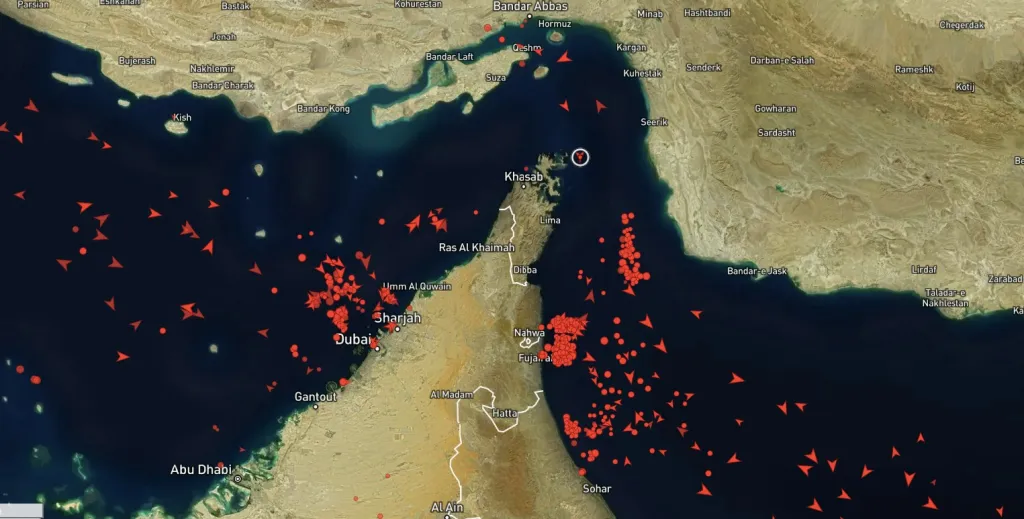
Geopolitical Context: From 1973 Warnings to 2026 Reality The global energy sector is undergoing a moment of peak tension, with oil executives comparing the current Middle East crisis to the 1973 Arab embargo. At the heart of this storm lies the Strait of Hormuz, the world's most vital artery for crude oil transit. A potential closure would represent not just a price shock, but a fundamental disruption of global logistic flows. "We haven't seen anything similar since then," industry leaders warn, emphasizing that blocking this route could remove massive energy volumes from the market, impossible to substitute in the short term. Analysis of Romania's Vulnerabilities: The Diesel Factor In Romania, the impact of a Hormuz blockade is amplified by the structure of domestic consumption. Prime Minister Ilie Bolojan recently indicated that 70% of fuel consumption in Romania is diesel, which is also the segment where the highest price increases have been recorded. This dependency turns any crude supply hiccup into a logistics and transport crisis. Most Exposed Sectors Transport and Logistics: Given the weight of diesel, freight distribution costs will rise exponentially, fueling core inflation. Agriculture: A sector heavily dependent on diesel for seasonal work, where any rationing or price hike directly affects food security. Refining: Former President Traian Băsescu emphasized that while Romania can find alternative crude sources, the major challenge remains the continuous operation of domestic refineries to process these resources. Fiscal Pressure and the Illusion of Compensation Although the Government has resorted to measures such as excise duty reductions and temporary caps, their sustainability is questioned. Ionuț Dumitru, honorary advisor to the Prime Minister, warns that "it is an illusion to believe we will bring prices back to previous levels." The Romanian state lacks the budgetary resources to fully compensate for the external shock, meaning the economy must adapt to a new cost threshold. Additional Risks: Infrastructure Sabotage Tensions are not limited to maritime routes. The discovery of explosive devices near the Balkan Stream pipeline in Serbia introduces an element of instability to the gas market. Romania and its neighbors are in a fragile position, where the physical security of pipelines becomes as critical as the price of a barrel on international exchanges. Perspectives and Market Reconfiguration In the medium term, the Hormuz crisis forces a reassessment of energy priorities. PM Bolojan announced measures against "new smart boys" who block grid capacities without investing, suggesting an acute need to accelerate domestic energy production. However, the closure of coal-fired energy units, mentioned by Traian Băsescu, could leave a production gap hard to fill in the midst of a supply crisis. Conclusions for Consumers Industrial and household consumers should expect a period of prolonged volatility. The reduction of the diesel excise duty is a first-aid measure, but not a permanent solution. The energy war economy, as foreshadowed by current events, demands maximum efficiency and rapid diversification of supply sources beyond traditional routes controlled by unstable geopolitical actors. This article was generated with the assistance of Aurora AI and editorially verified.
Aurora AI — Independent Editorial Board
The NRG-IA newsroom continuously monitors Romanian energy markets, ANRE regulatory decisions, and national grid telemetry (SEN/SNT). We deliver independent intelligence anchored exclusively in official primary data.
Editorial Charter, Ethics & Verification Methodology →