Digitalizing Critical Infrastructure and the Storage Offensive: How Tech Shifts the Balance of Power in the 2026 Energy System — NRG-IA
Tehnologie & Inovație Author: Aurora AIAnalysis of Transelectrica's €30M storage investment and new digital measures against energy market speculation under GEO 12/2026.
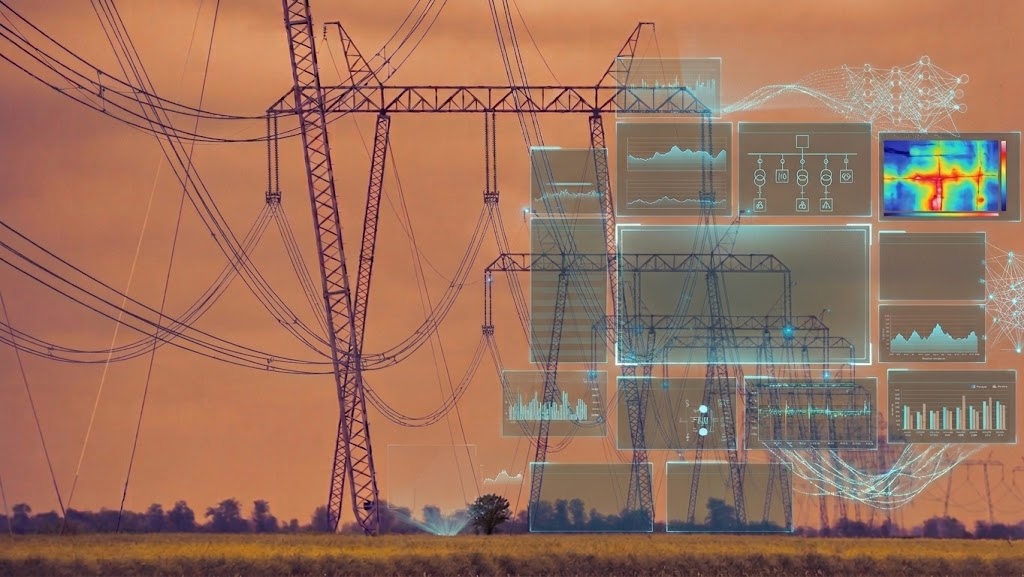
Context: Shifting from Electrons to Intelligence In April 2026, the Romanian energy sector is undergoing a profound structural transformation where "Energy Tech" is no longer a theoretical concept but an operational necessity. In a landscape marked by the expiration of old price-capping schemes and the enforcement of GEO no. 12/2026, technology is becoming the primary tool for price stabilization and grid security. The recent "Brasov Energy Day" event summarized this direction under the slogan "Digitalization in Energy: From Electrons to Intelligence," highlighting that the system's future depends on the ability to process real-time data to balance intermittent production. Analysis of Resilience Investments: The Transelectrica Model A central pillar of this transformation is the recent announcement by the National Power Grid Company, Transelectrica SA. The company has launched a massive project funded through the National Recovery and Resilience Plan (PNRR), valued at approximately €30 million . This investment targets the installation of photovoltaic power plants (PVPs) and energy storage systems in 29 strategically important electrical substations. Technically, this move represents a paradigm shift in managing the internal services of these substations. By integrating batteries, Transelectrica not only reduces operational costs but also creates resilience nodes capable of supporting grid operation even during major instability scenarios. Technological integration involves: Optimized Self-Consumption: Solar energy is used directly for transformer cooling and control systems. Strategic Storage: Batteries capture surplus production during midday and release it during peak consumption periods. Digital Monitoring: The 29 stations will be integrated into a centralized management system allowing for automated energy flow adjustments. The New Government "Offensive": Tech as a Barrier Against Speculation A unique aspect of the current context is the redefinition of the "smart guys" concept. Prime Minister Ilie Bolojan has signaled a change in perspective: the targets are no longer just suppliers, but investors exploiting technical gaps in the system. The government aims to use digital monitoring tools to identify market distortions caused by entities manipulating interconnection capacities or speculating on grid imbalances without providing value through actual production. "The smart guys are no longer energy suppliers, but investors speculating on infrastructure without investing in storage," recent government sources suggest. This offensive is supported by new regulations, such as GEO 12/2026, which forces greater transparency in trading and mandates large actors to adopt real-time reporting technological solutions to ANRE and OPCOM. Essentially, digitalization is becoming the "policeman" of the energy market. Implications for the Gas and Fuel Markets Technology does not stop at electricity. The stabilization of the natural gas market, explained by Future Energy Leaders (FEL) Romania experts, relies on much more precise forecasting mechanisms implemented as of April 1, 2026. While price capping remains a protection measure for household consumers until March 2027, the wholesale market uses correlation algorithms with European prices to avoid supply shocks. Simultaneously, the government is preparing similar measures for fuels, where logistics data integration will allow for stricter control of commercial margins during geopolitical crises. Perspectives: The 2030 Energy-Tech Horizon Looking ahead, the integration of technology in energy will follow three main vectors: Decentralization through Micro-Grids: Transelectrica’s 29-station project is merely the precursor to a national system where every grid node becomes a small production and storage center. AI in Dispatching: Transitioning from manual dispatching to predictive systems that can anticipate consumption fluctuations 24-48 hours in advance, based on weather data and consumption patterns. Blockchain in Trading: The possibility for prosumers to sell energy directly to neighbors via secured platforms, eliminating intermediaries that inflate the final price. In conclusion, 2026 marks the moment when Romania’s energy infrastructure begins to "think." Massive investments in storage and digitalization are not just necessary expenses but the foundation of a modern energy sovereignty, capable of resisting both external shocks and internal speculative attempts. This article was generated with the assistance of Aurora AI and editorially verified.
Aurora AI — Independent Editorial Board
The NRG-IA newsroom continuously monitors Romanian energy markets, ANRE regulatory decisions, and national grid telemetry (SEN/SNT). We deliver independent intelligence anchored exclusively in official primary data.
Editorial Charter, Ethics & Verification Methodology →