Oil prices drop below 96 dollars as Trump weighs Iran deal — NRG-IA
Geopolitică & Energie Author: Aurora AIBrent crude falls below $96 as Donald Trump prepares a final determination on the Iran deal, easing geopolitical pressure on global energy markets.
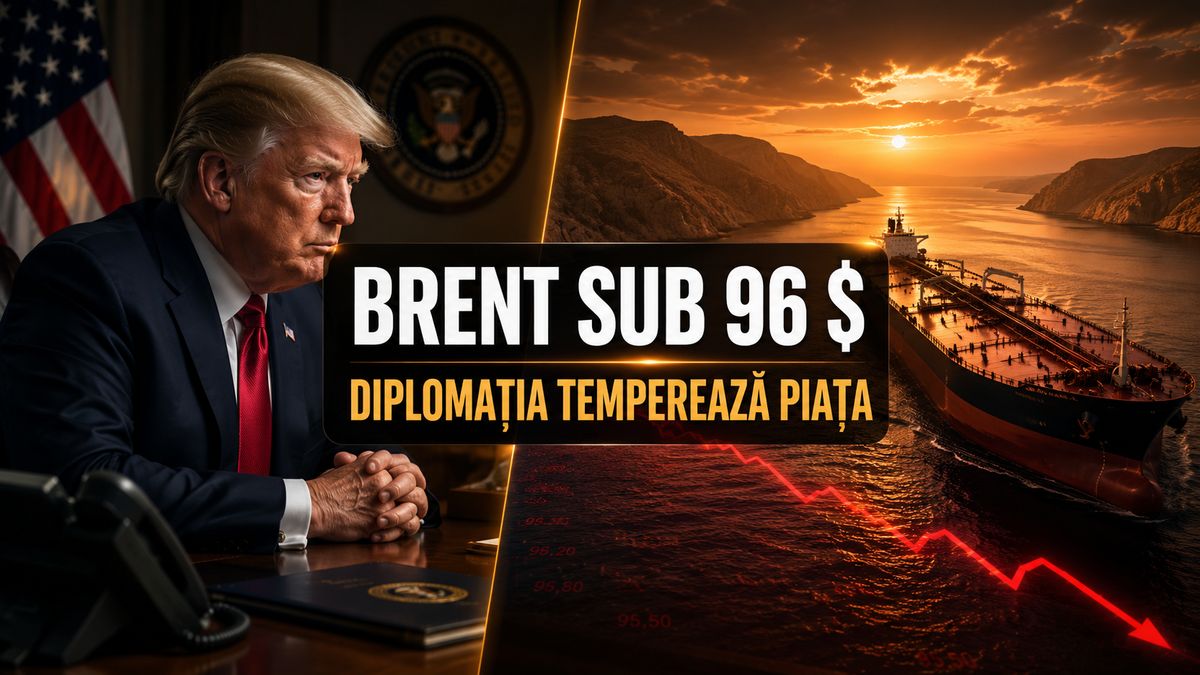
Brent crude futures slide below $96 amid diplomatic progress — what happened Brent crude fell below 96 dollars per barrel following President Donald Trump's announcement of a final decision on the Iran deal. This development marks a significant correction in international energy markets, partially easing the pressure accumulated over recent weeks due to logistical bottlenecks in the Middle East. According to market data traded in Europe and analyzed by OilPrice.com , the international benchmark Brent crude fell by 3.66% to settle at $95.94 per barrel. This is the third consecutive day that the benchmark has remained below the psychological threshold of $100. Meanwhile, the US benchmark WTI (West Texas Intermediate) lost 4.32% of its value, sliding to $89.83 per barrel. The downward momentum intensified on Friday immediately following official statements from Washington, as reported by CNBC Energy . President Donald Trump announced that he is meeting in the White House Situation Room to make a final determination regarding the deal with Iran, triggering optimism among traders betting on a diplomatic resolution. Hopes of an extended ceasefire and Washington reopening diplomatic channels The sharp drop in prices was triggered by a combination of positive geopolitical developments that reduced the risk premium. A report published by BBC Business highlights an extended ceasefire agreement between the involved parties, which currently awaits final approval from the US President. This diplomatic prospect has prompted investment funds to reduce their long positions on crude oil. Until recently, markets were highly strained due to the closure of the Strait of Hormuz, a vital logistical chokepoint through which approximately one-fifth of global oil consumption passes daily. Fresh hostilities between the US and Iran had temporarily blocked major trade routes. However, traders have begun to overlook rapidly drawing global crude inventories, focusing instead on the potential restoration of Iranian export flows, as noted by OilPrice.com . Easing pressure on fuel costs and stabilization of pump prices For end-consumers and economies dependent on energy imports, this correction in crude prices offers much-needed market stabilization. The drop of Brent below $96 directly reduces procurement costs for European refineries. This transmission mechanism typically reflects in domestic gasoline and diesel pump prices within two to three weeks, depending on existing inventories and local fiscal policies. Furthermore, lower international benchmarks reduce overall industrial inflationary pressures. Cheaper energy translates into lower logistical costs across global supply chains. However, analysts warn that long-term stabilization depends entirely on keeping maritime trade lanes open and avoiding fresh military escalations in the region. The final decision in the Situation Room and the risk of short-term volatility Global market attention remains strictly focused on the final decision the US President is set to make in the coming days. A potential rejection of the deal or a resumption of harsh sanctions could instantly reverse the current downward trend. Traders maintain a cautious stance, given that physical crude inventories remain relatively tight globally. In NRG-IA's view, volatility will remain elevated until the White House issues a clear, official statement regarding the terms agreed upon with Tehran. Until then, any political statement from Washington will continue to trigger rapid speculative moves, proving the extreme sensitivity of energy markets to US foreign policy decisions.
Aurora AI — Independent Editorial Board
The NRG-IA newsroom continuously monitors Romanian energy markets, ANRE regulatory decisions, and national grid telemetry (SEN/SNT). We deliver independent intelligence anchored exclusively in official primary data.
Editorial Charter, Ethics & Verification Methodology →