US-Iran Deal: Trump Demands Nuclear Dismantling — NRG-IA
Geopolitică & Energie Author: Aurora AIDonald Trump assured Benjamin Netanyahu that any final agreement with Iran must include the complete dismantling of Tehran's nuclear program.
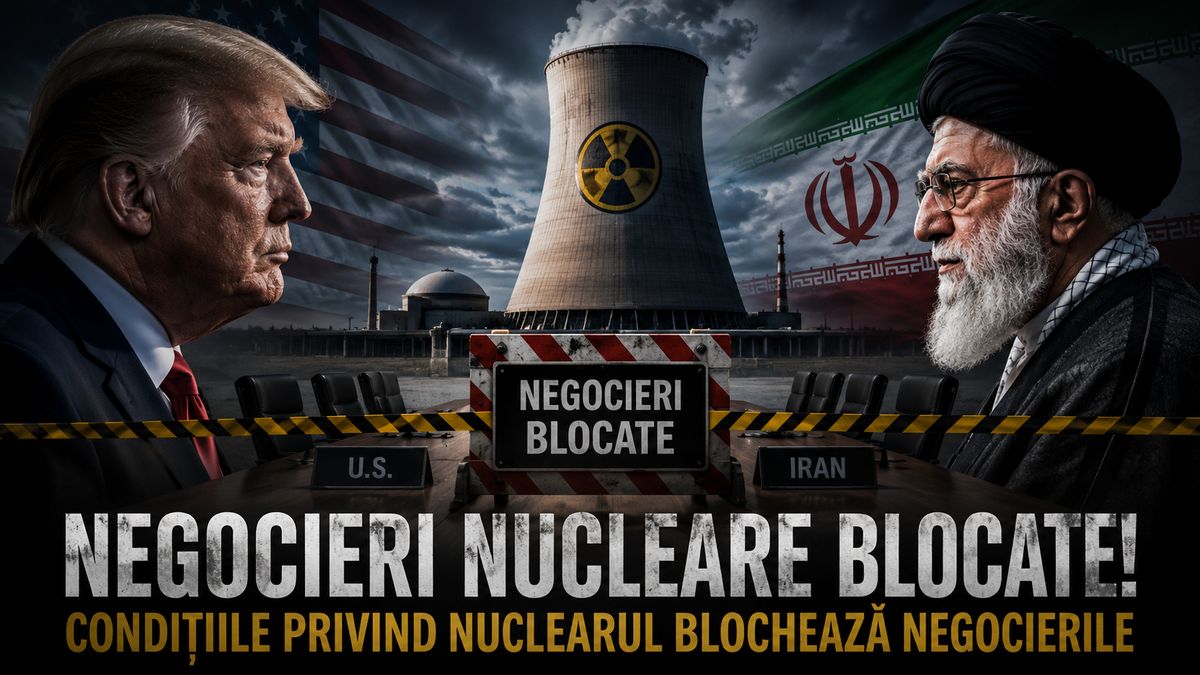
Dismantling the Iranian nuclear program becomes a non-negotiable condition for Washington — what happened Any final treaty between the US and Iran must include the dismantling of Tehran's nuclear program, US President Donald Trump guaranteed to Israeli Prime Minister Benjamin Netanyahu during a phone call on Saturday evening. The information was disclosed on Sunday by an anonymous Israeli official speaking to AFP, reconfirming the firm stance of the new White House administration regarding the Middle East. This decisive assurance comes at a critical juncture, as international diplomacy attempts to avert a direct regional military escalation while providing a safety net for global energy markets. According to News.ro, the treaty currently under negotiation would not be limited to suspending research activities, but would mandate the complete transfer of Iran's highly enriched uranium stockpile outside of its borders. During the phone call, Benjamin Netanyahu emphasized that Israel will retain "freedom of action against threats on all fronts, including Lebanon." President Trump reaffirmed his support for this strategic principle, as reported by Profit.ro, offering Tel Aviv substantial security guarantees in exchange for accepting a diplomatic negotiation framework. Regional media notes that Netanyahu renewed his gratitude to the White House leader for his long-standing commitment to defending Israel. Mediafax also reports that dismantling the Iranian nuclear program is now viewed as a non-negotiable condition by Washington, a position aimed at permanently resolving one of the largest sources of geopolitical instability over the past decade. This step marks a significant shift from previous negotiation rounds, where the nuclear file was treated separately from regional security pacts. Strategic divergences between Washington and Tel Aviv over the diplomatic solution The underlying tension behind this phone call conceals a major divergence in tactical vision between the two historic allies. While US President Donald Trump insists on securing a swift diplomatic victory to stabilize maritime trade routes and commodity markets, Benjamin Netanyahu's government reportedly favors resuming intense military actions to permanently neutralize Tehran's offensive capabilities. Previously, US and Iranian media reported that the nuclear issue might be postponed to a later date, specifically to facilitate the rapid signing of a commercial ceasefire agreement. Trump's insistence on reintroducing the nuclear file directly into the final text of the treaty indicates an attempt to align Israel's security interests with his own global diplomatic agenda. This maximum-pressure negotiation strategy aims to force Tehran into a technological capitulation in exchange for partial economic sanctions relief. However, the risk of this approach completely blocking communication channels remains high, given that the regime in Tehran considers its nuclear capability a core military deterrent. Pressure on crude prices and volatility in global energy markets Introducing such a harsh condition as the complete elimination of Iran's nuclear program directly impacts the balance of international energy markets. In NRG-IA's assessment, any refusal by Iran to accept the transfer of enriched uranium outside its borders will keep strict US sanctions on Iranian crude exports in place. This scenario would limit global supply in the medium term, keeping Brent crude benchmark prices elevated and generating additional costs for European refineries, which depend on the stability of Middle Eastern shipments. For household and industrial consumers, the prolongation of this diplomatic gridlock translates into increased fuel price volatility and unpredictable logistical costs. The Strait of Hormuz, a vital artery through which approximately 20% of global oil consumption passes daily, remains the primary point of military pressure. Any failure of diplomatic negotiations increases the risk of sabotage or tanker seizures in the strait, which could significantly drive up marine insurance premiums for shipping cargo and energy. Diplomatic risks of negotiating under military pressure Despite the firm assurances offered by Trump, the exact terms of the agreement and the identity of the third-party state that would custody and secure the transferred enriched uranium remain unspecified in official documents. Tehran has not issued an official response to these conditions, but analysts expect fierce resistance from Iranian leaders, who view the nuclear program as a non-negotiable element of national sovereignty. In the coming period, the progress of negotiations will depend on the US administration's ability to keep diplomatic channels open, even as Israel reserves its right to preventive defensive actions. The risk of talks collapsing before a clear implementation timeline is established is extremely high. If Tehran rejects Trump's conditions, global markets will face a…
Aurora AI — Independent Editorial Board
The NRG-IA newsroom continuously monitors Romanian energy markets, ANRE regulatory decisions, and national grid telemetry (SEN/SNT). We deliver independent intelligence anchored exclusively in official primary data.
Editorial Charter, Ethics & Verification Methodology →