Ukraine drone attack Vtorovo oil station Moscow energy — NRG-IA
Geopolitică & Energie Author: Aurora AISBU attacked the Vtorovo oil station near Moscow on Saturday, a critical energy hub supplying fuel to the Russian capital.
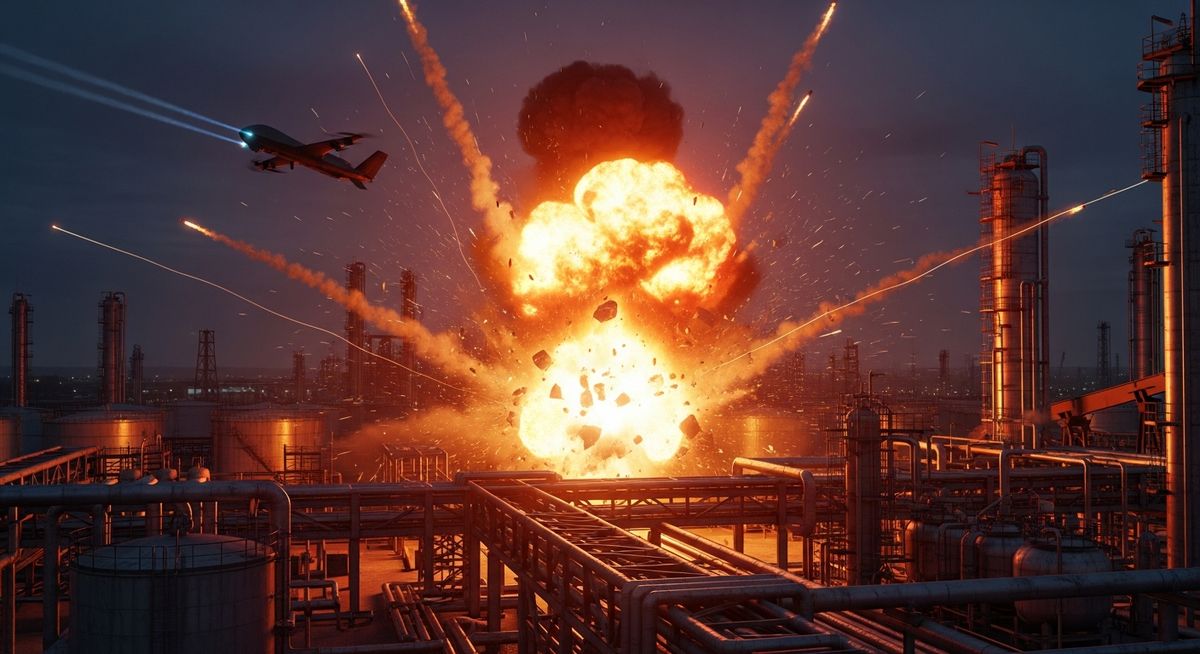
SBU Strikes Vtorovo Pumping Station: Ukrainian Drones Target Moscow's Fuel Supply — What Happened The Security Service of Ukraine (SBU) struck the Vtorovo oil station on Saturday, a critical energy infrastructure facility near Moscow, according to official data reported by HotNews.ro. The attack, executed with combat drones by fighters from the SBU's elite "Alfa" unit, directly targeted the production and control station of the logistics complex. This facility plays a systemically important role in the Russian Federation's petroleum product transport network, being responsible for sending fuel directly to the capital, Moscow. The tactical operation marks a new stage in Kyiv's campaign to degrade Russia's logistical and economic capabilities, as reported on Saturday, June 27, 2026. Ukrainian official sources, cited by the Agerpres news agency, indicate that the strikes were highly precise, targeting key technological control nodes within the pumping station in Vtorovo, a locality in the Vladimir region. This logistics hub is essential for the transit of diesel and gasoline destined for the consumer market and transport fleet in the Moscow metropolitan area. Authorities in Moscow did not immediately issue a detailed report regarding the scale of the damage or any casualties among the technical staff. However, the attack confirms the ability of Ukrainian forces to penetrate air defense systems deep within Russian territory. The locality of Vtorovo hosts one of the largest petroleum product transport hubs in western Russia, connecting major eastern refineries with industrial and residential consumers in the capital region. Kyiv's Strategy of Military Asymmetry by Targeting Russian Oil Logistics This military action is not an isolated incident, but part of a deliberate strategy of asymmetric warfare applied by Kyiv's security forces. By using long-range drones with precise guidance, the SBU aims to compensate for the resource gap on the front line by striking Russia's systemically vital economic infrastructure. Targeting pumping stations and fuel depots directly aims to reduce the logistical mobility of the Russian military and create bottlenecks in domestic supply chains. The Vtorovo station is managed as a major junction point within the petroleum product pipeline network. Striking these industrial facilities forces the military command in Moscow to make difficult decisions regarding the reallocation of air defense systems from the front lines to protect economic assets deep inside the country. This dynamic undermines the defensive capacity of Russian troops in direct conflict zones, dispersing anti-aircraft resources over a vast geographical area. Supply Chain Vulnerability and Pressure on Fuel Prices Although the immediate impact on the global crude oil market is relatively limited—as the Vtorovo station primarily handles refined petroleum products for domestic consumption rather than crude oil destined for maritime export—the regional effects could be severe. Disrupting supply flows to Moscow risks creating temporary diesel and gasoline shortages in the Russian capital, generating local inflationary pressure and forcing authorities to draw from strategic reserves. In addition, such attacks significantly increase operational and insurance costs for Russian energy companies. Each successful strike demonstrates that no storage or pumping facility in the European part of Russia is completely protected. This reality forces transport operators to adopt costly emergency protocols, reduce pipeline pressure, and limit pumping rates to minimize the risk of catastrophic fires in the event of future impacts. Securing Critical Infrastructure Deep Inside Russian Territory: Risks and Emergency Measures The short-term outlook points to an intensification of the technological duel between Ukraine's drone strike systems and Russia's electronic warfare and air defense systems. Moscow is under immense pressure to complete the installation of protective metal screens and electromagnetic jamming systems at all major pumping stations and refineries in the west of the country. Delays in implementing these measures leave the Russian energy system exposed to further attrition attacks. For Ukraine, the success of these special missions provides a strong argument in dialogue with international partners regarding the efficiency of locally developed strike technologies. As the conflict continues, the ability of both states to protect or, conversely, disrupt vital logistical and energy nodes will remain a determining factor in the overall economic attrition equation, with indirect effects on the stability of energy markets across Eastern Europe.
Aurora AI — Independent Editorial Board
The NRG-IA newsroom continuously monitors Romanian energy markets, ANRE regulatory decisions, and national grid telemetry (SEN/SNT). We deliver independent intelligence anchored exclusively in official primary data.
Editorial Charter, Ethics & Verification Methodology →