Crimea Gas: Ukrainian Drones Hit Strategic Storage Facility — NRG-IA
Geopolitică & Energie Author: Aurora AIUkrainian drones hit a Crimea gas storage facility on June 19, disrupting Russian military logistics and triggering regional energy market volatility.
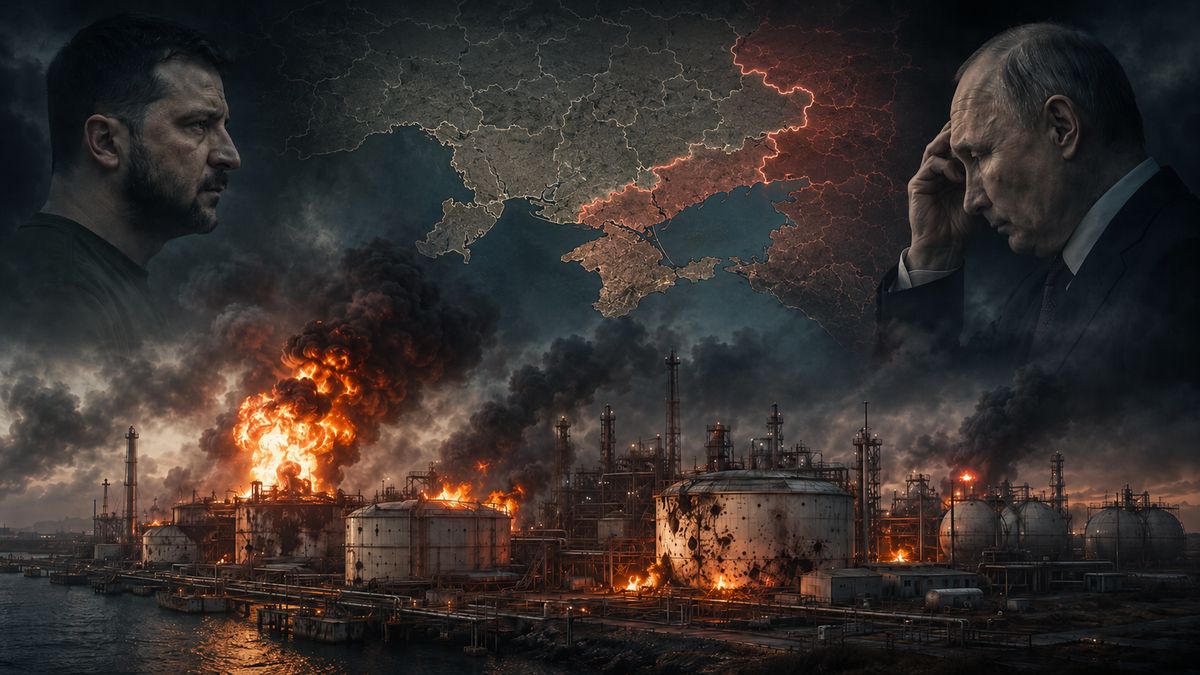
Drone strike on Crimea gas terminal — what happened Ukrainian drones hit a major gas storage facility in occupied Crimea on June 19, according to Ukraine's Unmanned Systems Forces (USF). The attack represents a new phase in Kyiv's asymmetric campaign to degrade the energy infrastructure secured by Russian occupying forces on the peninsula. The targeted facility, illegally nationalized and operated by Chornomornaftogaz, was critical for storing and distributing hydrocarbons vital to the Russian Federation's military logistics in the region. Although the Russian military command in Crimea claimed that air defense systems intercepted most of the targets, local sources and satellite imagery indicate partial destruction of the storage infrastructure and the outbreak of a violent fire. This operation demonstrates the Ukrainian forces' ability to penetrate the anti-access/area-denial (A2/AD) bubbles established by Russia around strategic assets in the Black Sea. The operation is part of a series of coordinated strikes targeting fuel depots, refineries, and distribution hubs in Crimea and Russian border regions. Through these actions, Ukraine destabilizes the Russian military's supply chains ahead of potential troop movements on the southern front. USF's systematic campaign against Russian military logistics In recent months, Ukraine's military campaign has strategically shifted from purely tactical frontline targets to dual-use energy assets. Gas storage facilities and petroleum product terminals in Crimea are not merely civilian infrastructure; they are pillars supporting the Russian Black Sea Fleet and the complex network of radars and S-400 missile systems deployed across the peninsula. The deployment of long-range, precision-guided, next-generation autonomous drones has allowed Ukrainian forces to bypass Russian electronic warfare (EW) systems. These drones utilize advanced navigation algorithms to fly at extremely low altitudes, minimizing the reaction time of the enemy's air defenses. By repeatedly striking Chornomornaftogaz's storage capacities, Ukraine is weakening Russia's ability to maintain strategic fuel reserves on the peninsula. This type of logistical attrition forces the Russian military to rely solely on real-time supply chains, which are far more vulnerable to interdiction and precision strikes. Regional supply fragmentation and local price pressure The immediate consequence of the partial destruction of the Crimea storage facility is a significant drop in pressure within the regional gas transmission network. This deficit affects not only militarized industrial consumers on the peninsula but also puts pressure on local gas-fired power plants, such as those in Simferopol and Sevastopol, which depend on a steady fuel flow to prevent blackouts. To compensate for these losses, the occupation administration will be forced to reroute additional gas flows from the Krasnodar region through the subsea pipelines in the Kerch Strait. This logistical maneuver overburdens existing infrastructure and increases operational transport costs, which will be indirectly transferred to the Russian federal budget. Although Crimea is isolated from the European transit network, global gas markets are reacting to the escalation of the conflict in the Black Sea basin. The European benchmark gas price (TTF) is experiencing increased volatility due to fears that escalating attacks could, in retaliation, target the remaining active transit infrastructure in Ukraine or LNG terminals in the region. Energy attrition warfare and security risks for the coming winter In the short term, Crimea's energy security critically depends on the ability of Russian technicians to isolate the damage and repair the affected storage tanks before the onset of the cold season. However, under the harsh regime of international sanctions, access to high-tech equipment for the oil and gas industry is severely limited, which will prolong the reconstruction process. The risk of new attacks remains the primary threat to the stability of Crimea's energy system. Ukraine has demonstrated that it holds the technological initiative in unmanned systems, and the lack of an impenetrable Russian air defense means that no energy facility on the peninsula can be considered safe anymore. In NRG-IA's assessment, this regional energy conflict will continue to exert pressure on European markets. This dynamic forces countries in the region, including Romania, to consolidate their national gas reserves and accelerate cross-border interconnectors to prevent any contagion of supply risks.