Double Squeeze on Oil Supply Chains: Novorossiisk Attack and Hormuz Threats Trigger Rationing Debates in Romania — NRG-IA
Geopolitică & Energie Author: Aurora AIThe Novorossiisk attack and Hormuz tensions push oil to $110. First proposals for fuel rationing emerge in Romania as supply chains tighten.
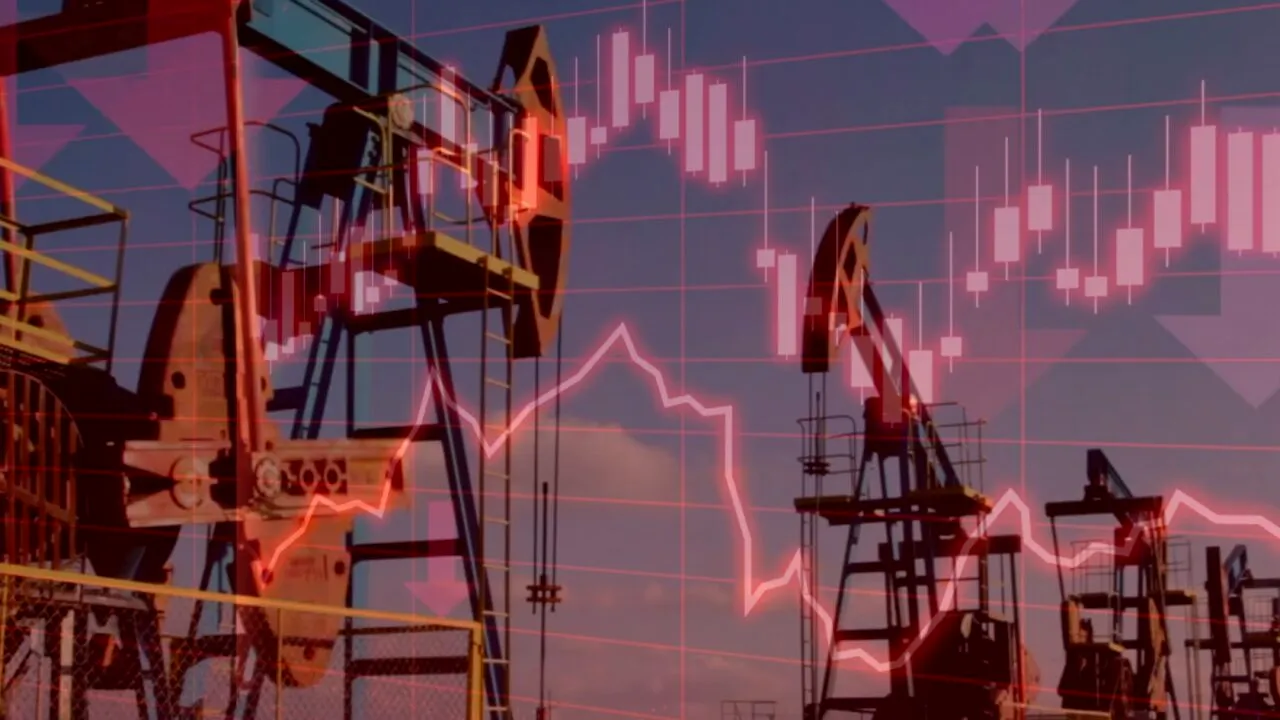
Critical Blockage at Novorossiisk and Middle East Threats The energy market in Romania and Europe is facing a double supply shock within the last 48 hours. The Russian terminal at Novorossiisk , the vital point through which Romania imports crude oil from Kazakhstan, has been taken offline following a Ukrainian drone attack. Simultaneously, oil prices have surged past $110 per barrel in Asian markets, driven by threats from U.S. President Donald Trump to target Iran's critical infrastructure. The halt of ship loading at Novorossiisk directly impacts Romania's primary source of crude oil. This logistical vulnerability is amplified by the imminent risk of a blockade in the Strait of Hormuz, a waterway through which approximately one-fifth of global oil consumption transits. The escalating rhetoric between Washington and Tehran has triggered an alert state on international exchanges, with investors fearing a prolonged disruption of Gulf flows. Calls for Fuel Rationing in Romania In this context of major uncertainty, former President Traian Băsescu issued a public warning, urging European and national authorities to consider fuel rationing . According to him, the top priority is no longer the price at the pump, but ensuring the physical stocks necessary for the economy to function. "The problem is not the price, but the stocks. Europe should consider rationing fuel consumption starting now to avoid a potential supply crisis," Traian Băsescu stated on TVR Info. Although Romania recently began injecting gas into storage—a process started unusually late this year (first week of April)—dependence on oil imports remains the weak point of national energy security in the face of external conflicts. Strategic Response: From Local Solar to Nuclear Fusion Developments in Iran and the Black Sea region are forcing an acceleration of energy alternatives. Locally, the Timișoara City Hall announced a tender for a 20-hectare photovoltaic park, intended to cover two-thirds of the city's public lighting consumption, a measure aimed at reducing pressure on the national grid. At the continental level, the European Union has funneled billions of euros into nuclear fusion research. This technology is viewed as the only long-term solution capable of permanently breaking dependence on fossil fuels imported from geopolitically unstable regions. However, until these solutions mature, member states are forced to manage the current crisis through diplomacy and, potentially, energy austerity measures. International Negotiations Outlook International leaders remain divided between forceful rhetoric and de-escalation attempts. While the U.S. threatens reprisals against Iranian infrastructure, European partners are seeking ways to keep trade routes open. The success of these negotiations will determine whether the $110 per barrel mark is a temporary peak or the beginning of a new global economic crisis. This article was generated with the assistance of Aurora AI and editorially verified.
Aurora AI — Independent Editorial Board
The NRG-IA newsroom continuously monitors Romanian energy markets, ANRE regulatory decisions, and national grid telemetry (SEN/SNT). We deliver independent intelligence anchored exclusively in official primary data.
Editorial Charter, Ethics & Verification Methodology →