ELCEN shuts down CET Grozăvești due to heatwave — NRG-IA
Piața de Energie Author: Aurora AIELCEN has preventively shut down the CET Grozăvești cogeneration unit due to extreme heat and high Argeș river water temperatures, with no hot water...
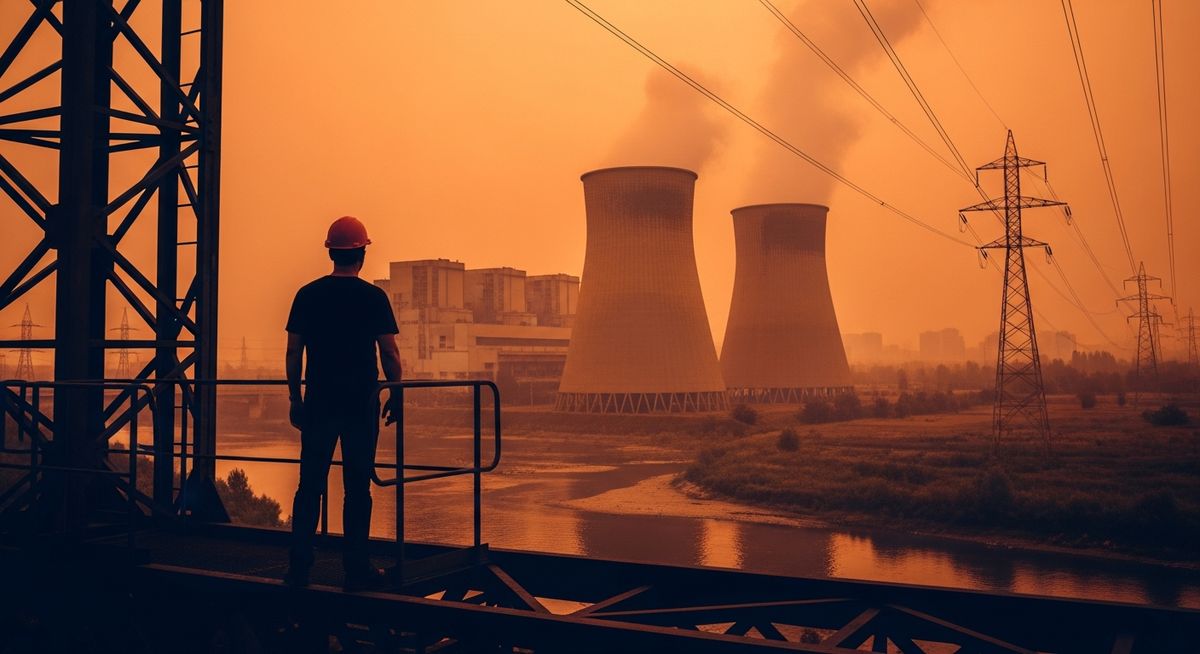
Controlled Emergency Shutdown at CET Grozăvești: How the Capital's Energy System is Protected Electrocentrale București (ELCEN) preventively and controlledly shut down the cogeneration energy unit at CET Grozăvești on August 7, 2026, due to extreme temperatures threatening the integrity of industrial equipment. This strategic decision was rapidly implemented to prevent a major failure in Bucharest's district heating network. According to Forbes România, the hot water supply for Bucharest residents remains unaffected by this temporary shutdown, as the network is supported by alternative thermal production solutions. Bucharest's district heating system continues to operate within stable parameters thanks to the activation of a Hot Water Boiler (CAF) at the same plant. This backup equipment fully absorbs the thermal load required to supply hot water to consumers, eliminating the risk of disruptions for household users. According to Economedia, the shutdown of the cogeneration unit (comprising the boiler and turbine) was decided solely to protect technological assets sensitive to high ambient temperatures. The operational maneuver executed by ELCEN engineers is a direct response to the extreme thermal stress currently experienced by the entire national energy infrastructure. By preventively shutting down the turbine, the company avoids the massive costs associated with potential emergency repairs, which could have taken the plant offline for a significantly longer period. This conservative approach prioritizes the long-term resilience of the system over the immediate generation of electricity. Close coordination between ELCEN and the distribution network operator, Termoenergetica, ensured that the transition from cogeneration to hot water boiler operation occurred without pressure fluctuations in the pipes. This type of preventive management is essential during heatwaves when utility networks are already strained to their limits due to high water and electricity consumption for air conditioning. Critical Water Temperature in the Argeș River Blocks the Cooling Circuit The primary technical cause of this decision is the excessive rise in water temperature in the Argeș River, a vital resource used in the cooling process at CET Grozăvești. Reports published by Economica.net indicate that the water drawn from the river exceeded the safety thermal threshold required for the optimal operation of the turbine's condensers. Without an adequate temperature difference between the technological steam and the cooling water, the condensation process becomes inefficient and dangerous for the equipment. From a thermodynamic perspective, a steam turbine requires an efficient cold source to maintain the necessary vacuum in the condenser and ensure the proper expansion of the steam. When the cooling water temperature from the Argeș River rises due to the prolonged heatwave, the pressure inside the condenser increases dangerously, generating a backpressure phenomenon. This phenomenon exerts immense mechanical and thermal stress on the turbine blades, risking the complete destruction of the power unit. Low river flows during this period accelerate the rapid heating of surface water, limiting the thermal power plants' ability to dissipate residual heat. CET Grozăvești directly depends on this hydrological flow, and exceeding technological design limits forced operators to act before automatic protection systems triggered an emergency shutdown. This situation highlights the direct link between surface water resources and electricity generation capacity in thermal power plants. The cooling water temperature issue is not isolated, periodically affecting major thermal power plants across Europe during hot summers. However, in the case of CET Grozăvești, urban proximity and reliance on a single river basin limit alternative cooling options. Consequently, the only viable technical solution during peak temperature periods remains reducing or completely shutting down the affected production capacity. Market Impact: Loss of Cogeneration and Reduced Economic Efficiency Although the direct impact on the National Energy System (SEN) is assessed as limited, shutting down the unit at CET Grozăvești alters the commercial equation of energy production. According to data from Economica.net, the SEN temporarily loses a stable baseload generation capacity during a period when national electricity consumption is very high due to the intensive use of air conditioning. This loss must be compensated for through imports or by activating more expensive domestic production capacities. From an economic perspective, shifting from high-efficiency cogeneration to simple heat production via hot water boilers (CAF) represents a decline in efficiency. In cogeneration mode, burning natural gas simultaneously produces electricity and heat, maximizing fuel utilization. Operating exclusively on CAF means ELCEN continues to consume gas to deliver hot water to Bucharest…
Aurora AI — Independent Editorial Board
The NRG-IA newsroom continuously monitors Romanian energy markets, ANRE regulatory decisions, and national grid telemetry (SEN/SNT). We deliver independent intelligence anchored exclusively in official primary data.
Editorial Charter, Ethics & Verification Methodology →