Satu Mare 3: Electrica signs 62.5 MWp EPC contract — NRG-IA
Piața de Energie Author: Aurora AIElectrica SA is investing in a new 62.5 MWp solar capacity in Satu Mare through an EPC contract signed with its subsidiary New Trend Energy.
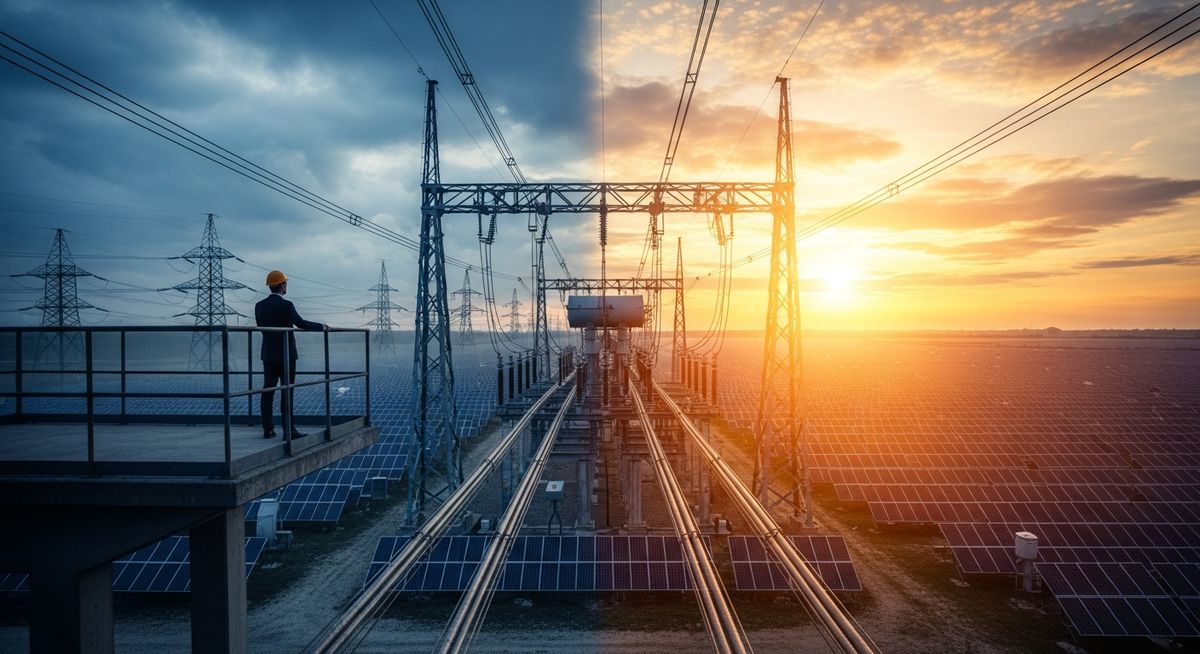
Electrica internalizes construction of 62.5 MWp "Satu Mare 3" — what happened Electrica SA is investing in a new 62.5 MWp solar capacity in Satu Mare county through an EPC contract signed with its fully-owned subsidiary. The company completed the competitive selection procedure for the Engineering, Procurement & Construction (EPC) contractor for the "Satu Mare 3" photovoltaic project. According to reports from Economedia and e-nergia, the contract was signed by New Trend Energy S.R.L., a company entirely owned by the group. This decision marks the transition of the project from the permitting phase directly into physical execution. The project includes not only the installation of photovoltaic panels but also the construction of critical grid infrastructure. The contractor will build a 110 kV transformer substation to ensure the evacuation of power into the national energy system. This move represents an important milestone in the group's strategy to expand its green energy generation assets. Electrica is thus transitioning from its traditional role as a distributor and supplier to that of a vertically integrated producer, adapting to the new realities of the decarbonized European market. The selection process was conducted in accordance with the group's standards of transparency and efficiency, ensuring a competitive implementation cost. By entrusting the works to an in-house subsidiary, Electrica manages to maintain close technical and operational coordination. The "Satu Mare 3" project thus becomes a central pillar in the renewable production portfolio that the company has been rapidly expanding in recent years. Vertical integration as a shield against energy market volatility Signing this EPC contract represents Electrica's strategic response to balancing market pressures and massive spot price fluctuations. With a massive customer base in its supply portfolio, the company needs its own generation sources to mitigate financial exposure on short-term markets. The initial acquisition of the "Satu Mare 3" project and now the actual start of works through New Trend Energy confirm this direction. The vertical integration strategy is widely used by major European utilities to secure their profit margins. Furthermore, utilizing an internal subsidiary for EPC execution allows for better cost control and construction timelines. In a period when the energy sector labor market is extremely tight, internalizing the project reduces execution risks. This corporate governance mechanism ensures that financial flows remain within the group, optimizing the overall return on investment. Electrica thus avoids the frequent contractual bottlenecks encountered when dealing with independent third-party developers. Moreover, the European context, marked by ambitious decarbonization targets, forces major energy players to accelerate their transition. Romania has committed to significantly increasing the share of renewables in the national mix, and majority state-owned companies like Electrica are called upon to lead this investment effort. The Satu Mare project is a direct response to these environmental and economic compliance requirements. Pressure on the North-West grid and intermittent production profiles Injecting 62.5 MWp into a consumption area like the North-West region will help balance the local energy mix but also brings significant technical challenges. The grid in this area is already facing a massive influx of intermittent renewable capacities, putting pressure on the transmission system operator Transelectrica and regional distributors. The 110 kV transformer substation included in the project is essential to prevent congestion on local distribution lines during peak solar production hours. For the end consumer, an increasing share of energy produced directly by major suppliers means greater long-term price stability. When a supplier covers its consumption from its own sources, the risk of purchasing expensive energy from the spot market during crises drops significantly. However, integrating these intermittent megawatts will eventually require additional investments in energy storage to avoid curtailment (temporary disconnection ordered by the dispatcher). The national energy system is in acute need of flexibility. While adding new solar farms reduces carbon emissions, it increases grid volatility in the absence of rapid storage solutions. "Satu Mare 3" will serve as a maturity test for the North-West grid, demonstrating whether the current infrastructure can absorb new large volumes of clean energy without compromising the security of supply for industrial and residential consumers in the area. Construction timeline and grid connection risks The next critical step for New Trend Energy is breaking ground and adhering to the commissioning schedule. Although the EPC contract is signed, the exact completion timeline depends on the fluidity of supply chains for key equipment, such as inverters and high-power…
Aurora AI — Independent Editorial Board
The NRG-IA newsroom continuously monitors Romanian energy markets, ANRE regulatory decisions, and national grid telemetry (SEN/SNT). We deliver independent intelligence anchored exclusively in official primary data.
Editorial Charter, Ethics & Verification Methodology →