Electrica Energy Storage Fântânele: 70 MWh Battery System — NRG-IA
Energie Regenerabilă Author: Aurora AIElectrica has started mounting the 70 MWh battery system in Fântânele, Mureș, the first step of a massive 1,000 MWh energy storage plan in Romania.
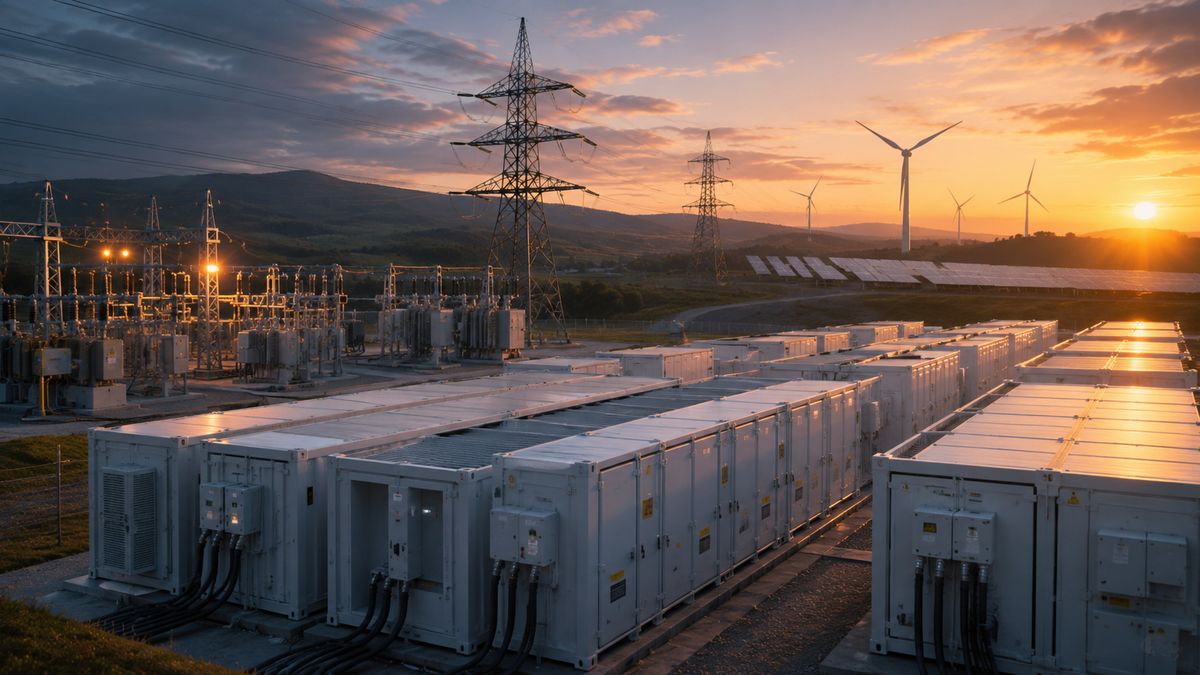
70 MWh Batteries at Fântânele: Electrica Begins Installing Its First Storage Facility — What Happened Electrica Group is installing 70 MWh of batteries in Fântânele to mitigate imbalances in the national power grid. The project represents the group's first utility-scale storage initiative, according to data published by e-nergia.ro and Economica.net. The group's CEO, Alexandru Chiriță, publicly confirmed the commencement of the equipment mounting phase, emphasizing that the works are nearing completion. This construction site marks the official transition from the design phase to the physical implementation of the technology on the ground. The facility in Fântânele, Mureș county, is designed to store electricity from the grid and discharge it during peak consumption hours. This is a critical component of Electrica's long-term strategy. The company aims to develop an extensive storage portfolio, with a total target of 1,000 MWh capacity in the coming years. The current 70 MWh step validates the chosen technology and paves the way for massive expansion nationwide. The investment represents an operational maturity test for the group, which controls three of the most important distribution networks in the country. The ability to integrate storage directly into key network nodes will allow greater flexibility in managing physical energy flows. Thus, the Fântânele project is not just an isolated commercial unit, but a testing pillar for the group's future digital storage dispatch centers. Negative Prices and Renewable Volatility Force Storage Investments The accelerated development of photovoltaic and wind farms in Romania has created unprecedented volatility in the transmission grid managed by Transelectrica. During periods of peak solar generation, production frequently exceeds local consumption, generating negative prices on the Day-Ahead Market (DAM). Without storage capacities, distribution operators and suppliers face immense costs on the balancing market to keep the system frequency stable. Electrica chose the Fântânele site due to its strategic positioning in central Romania, a major transit zone for electricity. The necessity to stabilize local voltage fluctuations and avoid congestion on high-voltage lines accelerated this investment. Pressure from European regulations on decarbonization and grid digitalization also contributed to the prioritization of this project by the group's management. Furthermore, the regional context shows that countries without fast power reserves are extremely vulnerable to weather variations. In recent years, Romania has recorded periods of power deficits during evening peak hours, when solar production drops to zero and domestic consumption rises sharply. This commercial and technical gap between production and consumption is the main cause justifying the massive investment in lithium-ion technology. Flattening the Consumption Curve and Reducing Imbalance Costs Integrating this 70 MWh battery will allow mitigating price peaks on the free market by storing cheap energy and discharging it at peak hours. For end consumers, this mechanism can indirectly contribute to stabilizing supply tariffs by reducing the operator's technical losses. The National Power System thus obtains an extremely fast local flexibility tool, capable of intervening within seconds to stabilize grid parameters. On the balancing market, the presence of a storage asset of this size offers a viable alternative to starting conventional gas or coal plants, which have high starting costs and a high carbon footprint. The millisecond response time of the batteries provides dispatchers with a valuable resource for secondary frequency regulation. Thus, the risk of forced disconnection of renewable energy producers on oversupplied days decreases considerably. Moreover, local storage reduces pressure on the area's distribution transformers. By absorbing excess energy directly at the medium-voltage grid level, premature wear of grid equipment is avoided. This reduction in technical stress on the infrastructure translates into lower maintenance costs for the distribution operator within the Electrica Group, protecting the regulated investment plan. Imminent Commissioning and the Race for the Remaining 930 MWh Completing the mounting phase at Fântânele opens the way for technical testing and final grid connection. Although Electrica's management indicates the imminent completion of the works, the exact timeline for commercial commissioning depends on obtaining all technical connection permits. Performance tests will last several weeks to ensure compliance with the strict technical standards issued by the regulatory authority. However, the main medium-term challenge remains financing and scaling the projects to the ambitious 1,000 MWh target set by the group. Electrica will need to secure massive financing lines, either through non-repayable European funds or green bond issuances. Also, managing global battery cell…