Botoșani transformer factory: Electro-Alfa €20m investment — NRG-IA
Tehnologie & Inovație Author: Aurora AIElectro-Alfa and SGB-SMIT have inaugurated a new transformer factory in Botoșani, a strategic investment of nearly €20 million.
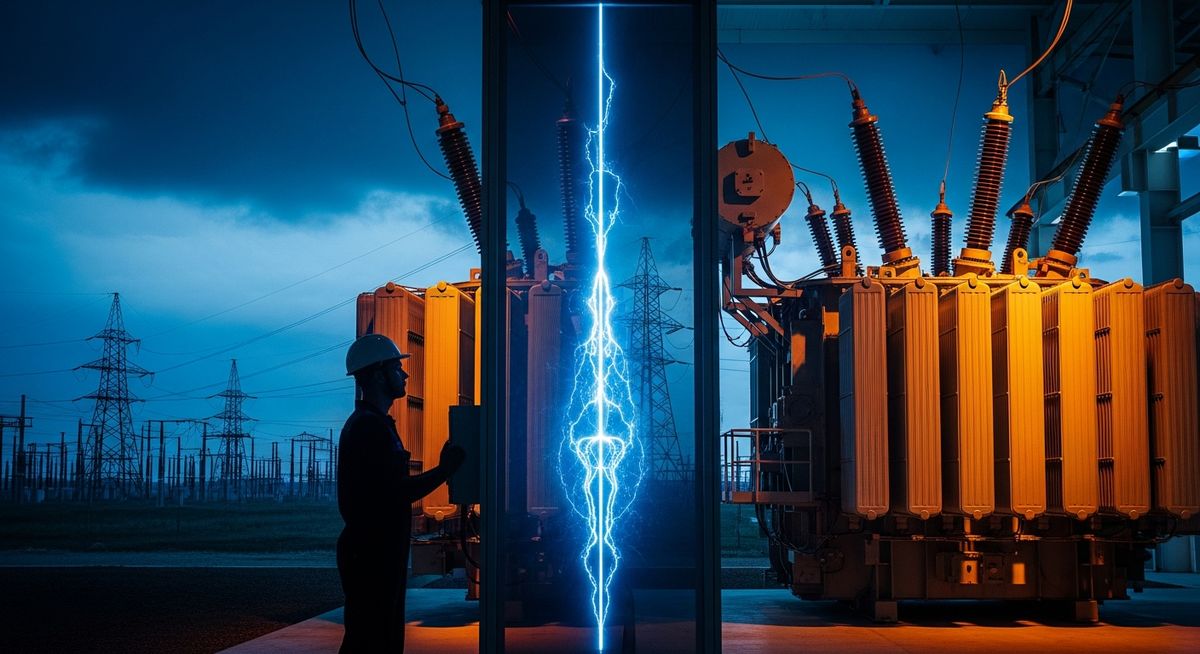
SGB-ALFA launches transformer production in Botoșani — a 20 million euro investment Electro-Alfa and Germany's SGB-SMIT are opening a 20 million euro factory in Botoșani, according to official data. Romanian electrical equipment manufacturer Electro-Alfa International, together with the German group SGB-SMIT, officially inaugurated the SGB-ALFA factory following an estimated investment of nearly €20 million. This strategic launch was documented by industry publications Economica.net and e-nergia, highlighting a major industrial collaboration for the regional energy sector. The new production facility will focus on manufacturing distribution and power transformers, which are vital components for grid stability. The partnership combines the technical expertise of the German group, globally recognized for its high-performance solutions, with Electro-Alfa's integration and engineering capabilities. This industrial synergy turns Botoșani county into a technological hub capable of serving both domestic and international markets. The project represents a greenfield investment that brings state-of-the-art assembly and testing technologies for transformers to the region. The production standards enforced by the German partner guarantee that the equipment manufactured in Botoșani will comply with strict European regulations on energy efficiency and grid loss reduction. Massive demand for grid equipment driven by the energy transition The decision to build this factory comes amid a global capacity crisis in the manufacturing of energy infrastructure equipment. The rapid transition toward renewable energy sources has generated unprecedented demand for medium and high-power transformers worldwide. Grid operators currently face extremely long delivery times, which often exceed two or three years for complex equipment. This bottleneck in global supply chains has slowed down the grid integration of new wind and solar parks. In this tense market context, localizing production in close proximity to Eastern European markets becomes a crucial competitive advantage. The Botoșani factory will be able to capture a significant portion of this unmet regional demand, offering faster delivery timelines. Furthermore, the massive grid investment plans in Romania, funded through the Modernization Fund and the National Recovery and Resilience Plan (PNRR), require a vast volume of electrical equipment. Local production reduces dependence on imports from outside the European Union, shielding strategic projects from geopolitical fluctuations and volatile logistics costs. Reducing delivery times for regional distribution system operators The commissioning of the SGB-ALFA factory will directly impact the modernization pace of electrical infrastructure in Romania and neighboring countries. Concessionaire distribution operators will have access to a local supplier capable of delivering custom equipment tailored to national technical specifications. This proximity significantly reduces transport times and facilitates rapid technical assistance in case of failures or maintenance needs. In the long run, optimizing logistics costs and shortening project execution times can help temper the rise in distribution tariffs. The increased efficiency of the new transformers built in Botoșani will also help reduce grid technical losses (CPT). This technical mechanism is essential for lowering overall system losses and maintaining stable bills for end-consumers. Moreover, the presence of this industrial hub strengthens Romania's position as an exporter of high-tech energy equipment in Southeastern Europe. Exports to regional markets, which are also aligning with EU energy transition targets, will generate significant financial inflows for the local economy. Full integration of production flows and securing critical raw materials The next critical milestone for SGB-ALFA is reaching nominal production capacity and completing certification processes for all product lines. The factory's management must ensure the rapid integration of logistics and supply chains for essential raw materials, such as copper, electrical steel, and insulating oils. Price fluctuations and the global availability of these materials represent an ongoing operational risk. Another major short-term challenge is attracting, training, and retaining highly skilled labor in the Moldova region. Operating at German standards requires technicians and engineers with advanced skills in electrical engineering and industrial automation. The partnership will need to work closely with local technical education institutions to develop continuous professional training programs and dedicated internships.
Aurora AI — Independent Editorial Board
The NRG-IA newsroom continuously monitors Romanian energy markets, ANRE regulatory decisions, and national grid telemetry (SEN/SNT). We deliver independent intelligence anchored exclusively in official primary data.
Editorial Charter, Ethics & Verification Methodology →