Stocarea și prețurile din orele de vârf: de ce bateriile au devenit miza-cheie a energiei din România — NRG-IA
Piața de Energie Author: Gheorghe RăzușFuel crisis analysis: diesel prices jumped 38% in the region, while the IEA warns Europe has only 6 weeks of jet fuel stocks remaining.
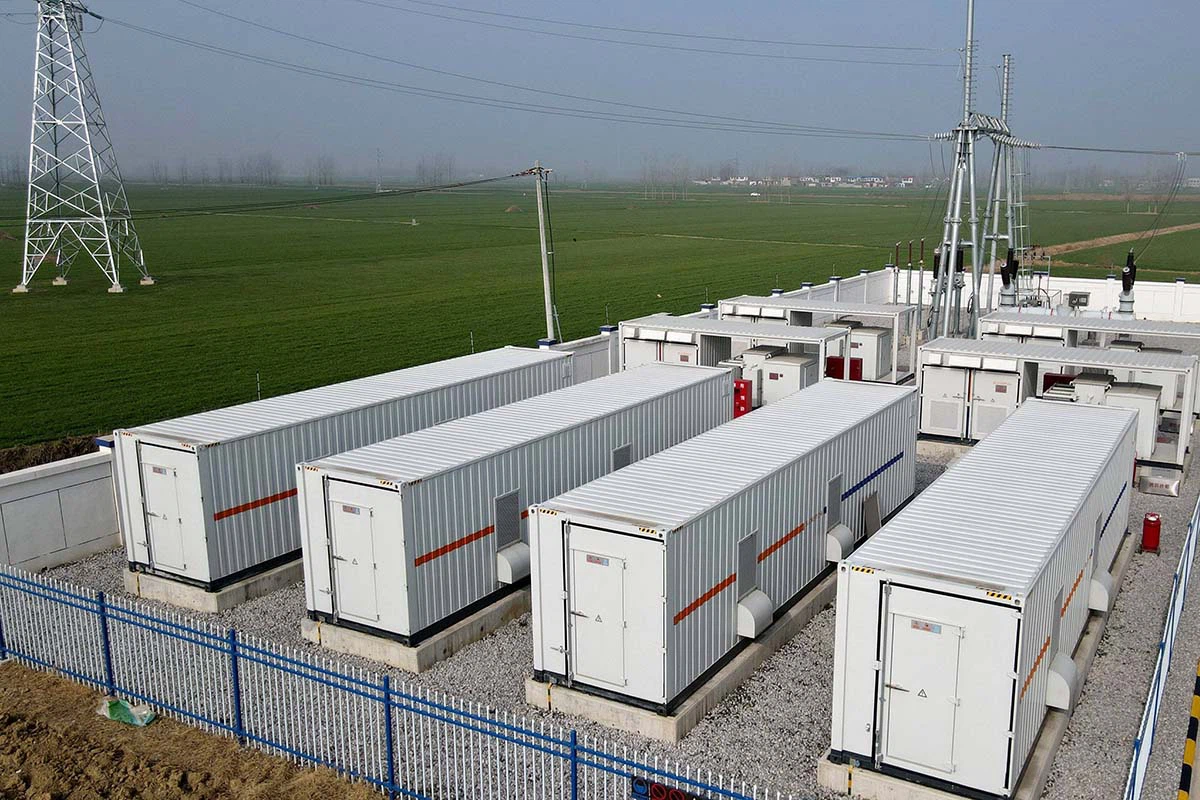
A Dual Crisis: Physical Scarcity and Regional Volatility The European energy sector is facing double pressure in April 2026, driven by geopolitical instability in the Middle East and structural limitations in transport infrastructure. The recent warning from the International Energy Agency (IEA) puts Europe on a critical countdown: six weeks until the potential depletion of jet fuel (kerosene) stocks. This supply crisis is not an isolated phenomenon but is directly reflected in pump prices near Romania. In Bulgaria, data provided by the National Revenue Agency (NRA) indicates a price explosion just a month and a half after the escalation of the conflict in Iran. Gasoline recorded a 19.9% increase, while diesel—the engine of road logistics—surged by an alarming 38.8%. This asymmetry between gasoline and diesel highlights the vulnerability of freight transport and agriculture, sectors heavily dependent on middle distillates. Analysis of the Impact on the Romanian Consumer Although Romania benefits from a higher internal refining capacity than its southern neighbors, the local market is not immune to international quotes. The nearly 40% increase in diesel costs in the region puts immense pressure on supply chains. For the final consumer, this translates into: Food Inflation: Transport costs represent between 15% and 25% of the final price of fresh products. Rising Service Costs: Public transport and courier services will undergo tariff adjustments to cover operational deficits. Aviation Risks: The IEA's 6-week warning for kerosene stocks could lead to flight cancellations or the introduction of "fuel surcharges" on tickets ahead of the summer season. Consumption charts show that a diesel price hike of this magnitude reduces the purchasing power of middle-income households by approximately 4-6% as second-round effects ripple through the economy. Offensive Against "Smart Boys" 2.0: Grid Speculation In parallel with the oil shock, the Romanian Government, through Prime Minister Ilie Bolojan, has launched a new strategy to clean up the energy sector. This time, the target is no longer just energy suppliers, but "speculative investors" blocking electrical grids. According to the Prime Minister's Chancellery, a large part of the available connection capacity in the national system is occupied by "paper projects" created for resale rather than energy production. "Energy is one of the essential fields in Romania, and the current situation, with networks blocked by speculative projects, must be remedied," stated PM Bolojan. Proposed measures include tightening connection conditions. This "spring cleaning" is vital to allow real renewable energy projects to enter the system, providing a long-term alternative to fossil fuel volatility. Investing in Resilience: Transelectrica and e-Mobility The systemic response to the fuel crisis comes through massive investments in infrastructure and storage. Transelectrica announced an investment of nearly 30 million euros, funded through the PNRR, for the installation of solar panels and storage systems in 29 electrical substations. This project aims to reduce internal technological consumption and increase the operational independence of transport nodes. Furthermore, the Ministry of Transport has modified the e-Mobility state aid scheme. The new rules allow for the financing of green energy production and storage systems directly integrated into transport infrastructure. This change is strategic: if electric transport becomes self-sufficient through local solar or wind production, dependence on imported diesel (and its price volatility) drops drastically. The Nuclear Perspective and Brussels Obstacles In the long term, price stability in Romania depends on the base energy mix. The refurbishment project for Unit 1 at Cernavodă is the central pillar of this strategy. However, the European Commission recently opened an in-depth investigation into the state aid proposed by Romania for this project. While the procedure is standard for amounts of this magnitude, it introduces uncertainty regarding the execution timeline. Extending the reactor's lifespan is essential to avoid a 700 MW production vacuum in the national system by the beginning of the next decade. Conclusions for Consumers The next six weeks will be a stress test for Europe's transport sector. While pump prices reflect tensions in the Middle East, Romania's solution appears to be a combination of punitive measures against speculation and accelerating storage investments. For the average consumer, spending prudence and adopting energy efficiency solutions remain the only immediate shields against a wave of price hikes that is only beginning to be felt. This article was generated with the assistance of Aurora AI and editorially verified.
Gheorghe Răzuș — Independent Editorial Board
The NRG-IA newsroom continuously monitors Romanian energy markets, ANRE regulatory decisions, and national grid telemetry (SEN/SNT). We deliver independent intelligence anchored exclusively in official primary data.
Editorial Charter, Ethics & Verification Methodology →