Escalation in the Strait of Hormuz: US Navy Seizure of Iranian Vessel Pushes WTI Oil to $88 — NRG-IA
Geopolitică & Energie Author: Gheorghe RăzușUS Navy seized an Iranian ship near Hormuz, pushing WTI oil to $88. Energy Minister warns that negative effects will persist for up to 9 months.
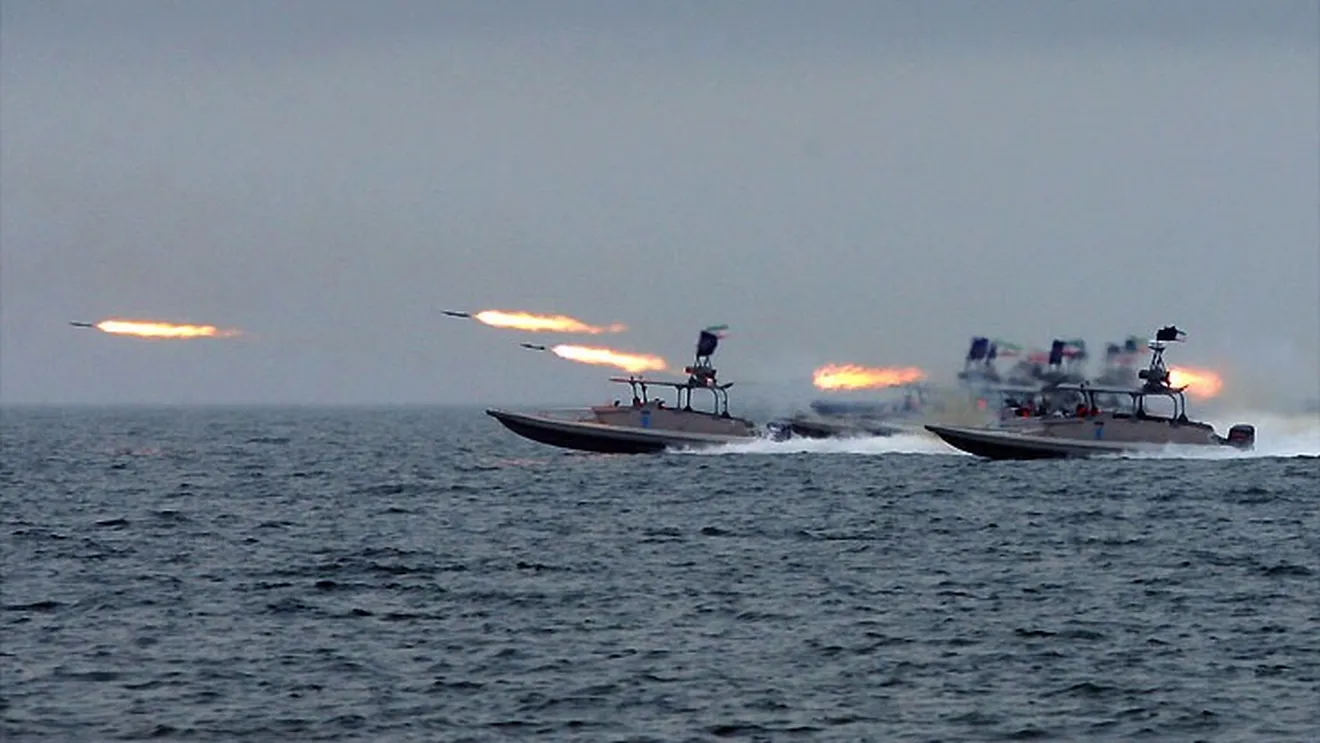
Major Naval Incident in the Strait of Hormuz Geopolitical tensions in the Middle East reached a new critical threshold on Monday, April 20, 2026, after the United States Navy intercepted and seized an Iranian vessel near the Strait of Hormuz. The operation, justified by US officials as a measure to deter blockade violations, triggered an immediate reaction in international markets, fueling fears of a prolonged disruption to global energy transit. Immediate Impact on Commodity Markets Futures for West Texas Intermediate (WTI) oil for May delivery rose by approximately 6%, reaching the $88 per barrel mark during the Asian trading session. This price surge comes amid heightened volatility, fueled by mutual attacks on commercial vessels transiting this strategic chokepoint, through which approximately one-fifth of global oil consumption passes. In the region, effects are already visible at the pump. In Bulgaria, data from the National Revenue Agency indicates a massive increase in fuel prices since the start of the conflict: gasoline has risen by 19.9%, while diesel has jumped by 38.8%. Chain Effects and Reliance on Alternative Sources Instability in the Gulf region is forcing European states to re-evaluate their supply strategies. A paradoxical effect has been observed in Spain, where Russian gas imports have reached record levels, as the Iberian Peninsula turns to previously avoided sources to compensate for Middle Eastern risks. Simultaneously, in Central Europe, efforts are underway to resume flows through the Drujba pipeline to Hungary and Slovakia, a move aimed at stabilizing regional supply. "Even if hostilities end tomorrow, we will feel the negative effects for another 6-9 months," warned Bogdan Ivan, Romania's Minister of Energy, highlighting the persistence of the inflationary shock in the energy sector. International Reactions and Fiscal Measures The International Monetary Fund (IMF) intervened amid public pressure to reduce fuel taxes, warning European governments that such measures are inefficient and poorly targeted. The IMF recommends direct support for vulnerable consumers rather than intervening in market price mechanisms. Diplomatically, the situation remains tense, with no immediate signs of de-escalation following recent negotiations. Romania is attempting to counter these risks through strategic investments, with the Minister of Energy announcing negotiations in Washington for €3.5 billion projects aimed at modernizing the nuclear sector and transmission networks. This article was generated with the assistance of Aurora AI and editorially verified.
Gheorghe Răzuș — Independent Editorial Board
The NRG-IA newsroom continuously monitors Romanian energy markets, ANRE regulatory decisions, and national grid telemetry (SEN/SNT). We deliver independent intelligence anchored exclusively in official primary data.
Editorial Charter, Ethics & Verification Methodology →