Brent crude oil nears $90 amid US-Iran strikes — NRG-IA
Geopolitică & Energie Author: Aurora AIBrent crude nears $90 per barrel as U.S. forces strike Iranian targets for a ninth consecutive night, threatening global energy supply chains.
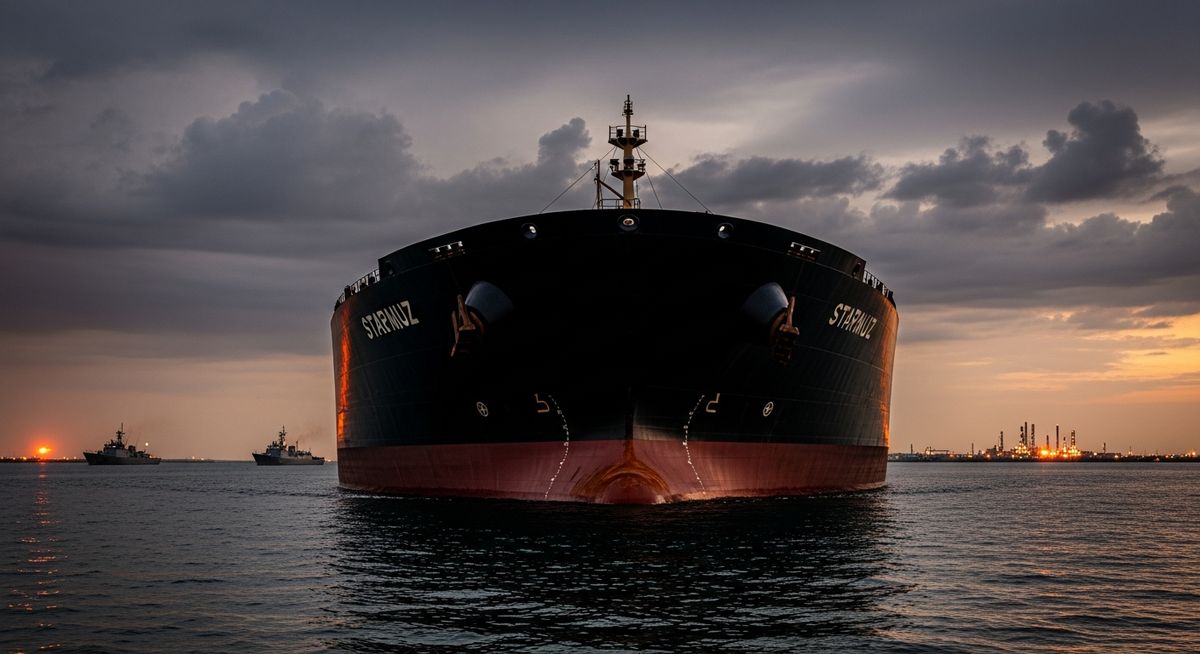
Military Pressure in the Middle East Drives Crude Prices Higher — What Happened U.S. forces have launched air strikes against Iranian targets for a ninth consecutive night, pushing Brent crude oil prices close to the critical $90 per barrel threshold. This rapid escalation of direct hostilities in the Middle East has triggered severe concerns over global supply security, overshadowing international diplomatic efforts. According to data published by industry outlet Rigzone on July 20, 2026, international markets reacted immediately, settling higher as the geopolitical risk premium firmly returned to the market. The military escalation has moved past proxy warfare, transforming into a direct confrontation involving United States forces. A CNBC Energy report from July 20, 2026, confirms that American forces executed systematic air strikes against strategic targets controlled by Iran. This sustained pace of military operations has prompted traders to re-evaluate the likelihood of physical crude flow disruptions in the Persian Gulf. Although global commercial inventories provide a small buffer, the speed at which geopolitical tensions translate into spot oil prices reflects an exceptionally tight market. Despite mediation attempts by regional allies, the futures market reacted defensively, with investors securing their short-term positions. This dynamic indicates that volatility will remain elevated as long as military operations continue near vital shipping routes. The CENTCOM Aerial Campaign and the Vulnerability of the Strait of Hormuz The primary cause driving prices toward the $90 threshold is the unprecedented intensity of the strikes carried out by the U.S. Central Command (CENTCOM). The nine consecutive nights of air strikes against Iranian assets represent the most severe direct military escalation in the region in decades, as reported by CNBC Energy. This aerial campaign exponentially increases the risk of Iran retaliating by disrupting or harassing maritime traffic through the Strait of Hormuz, a critical chokepoint through which approximately one-fifth of global oil consumption passes. Unlike previous episodes of instability, where attacks were attributed to proxy groups, the direct involvement of the U.S. military eliminates diplomatic ambiguity. Traders on the London Brent crude market now estimate that any symmetric military response from Tehran could temporarily offline significant production or transport capacities. This outlook has led investment funds to inject massive capital into futures contracts, driving prices upward. Transmission of the Oil Shock to European Fuel Pumps For European consumers and specifically for the Romanian market, a $90 Brent barrel rapidly translates into higher import costs for crude and refined products. Refineries in Central and Eastern Europe, which use Brent as their primary price benchmark, will be forced to adjust their production pricing. In NRG-IA's assessment, this mechanism risks putting additional pressure on retail gasoline and diesel prices in the coming weeks, directly affecting corporate transport costs and household budgets. Furthermore, high crude prices indirectly inflate other energy commodities, keeping inflation elevated and limiting central banks' room to lower benchmark interest rates. Although Romania benefits from domestic hydrocarbon production, it remains a net importer of crude oil to meet its total refining capacity, meaning global market variations reflect directly on the national economy. The OPEC+ Decision and the August Resilience Test Market developments in the near term depend on the ability of major producers to offset potential supply losses and on the strategic decisions of the OPEC+ cartel. Particular attention is focused on the upcoming meeting of the OPEC+ ministerial monitoring committee, scheduled for early next month, where member states must decide whether to maintain voluntary production cuts or release additional volumes to calm the market. In parallel, markets are monitoring whether the U.S. administration will once again tap into the Strategic Petroleum Reserve (SPR) to cap retail fuel prices. The threat of an asymmetric Iranian response targeting energy infrastructure in neighboring Gulf nations remains active, a scenario that could propel Brent prices well beyond the $90 mark. In this highly uncertain environment, logistic decisions by major tanker fleet operators to bypass the region will dictate final maritime shipping costs, adding a new cost layer to final energy prices.