Moscow’s “Vulnerability” Label and the Reality on the Ground: The Impact of the Hormuz Blockade on Romania’s Supply — NRG-IA
Piața de Energie Author: Aurora AIThe Hormuz blockade pushes diesel to historic records, while Moscow labels Romania "extremely vulnerable." Petromidia returns to full capacity to buffer the shock.
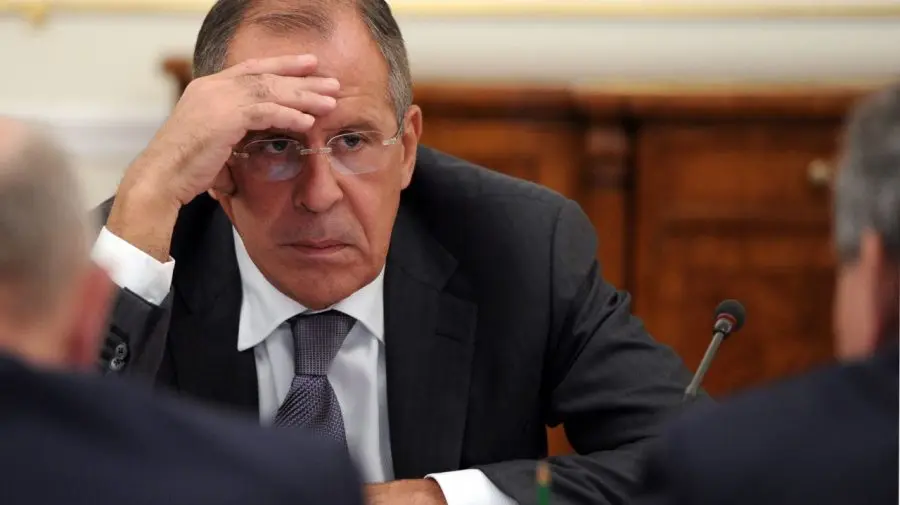
Global Divergence and Crisis Profits in the Strait of Hormuz The blockade of the Strait of Hormuz, a critical chokepoint for global oil transit, has created a major fracture in the energy market, separating nations into big winners and systemic losers. According to a recent Reuters analysis, the closure of this route has led to a massive increase in revenue for states such as Iran, Oman, and Saudi Arabia , which benefit from the explosion in crude oil prices. In contrast, countries lacking alternative transport routes are facing losses of billions of dollars. The effects are already being felt at the European level through record prices. In Germany, the price of diesel has reached a new historic high, hitting 2.440 euros per liter , an increase that puts pressure on all continental logistics chains. Kremlin Warning Regarding Romania's Vulnerability Against this backdrop of instability, Kirill Dmitriev, a high-ranking official close to President Vladimir Putin, has named Romania as one of the five European Union member states "extremely vulnerable" in the current global energy shock. The statement, coming from the Russian envoy to negotiations with the US, suggests a high exposure of the Romanian economy to price fluctuations and supply disruptions. "Romania is one of the 5 European Union members extremely vulnerable in the context of the current global energy shock," claims Dmitriev, cited by official sources. Petromidia and Domestic Fuel Security Despite external rhetoric, authorities in Bucharest are relying on domestic production capacities to mitigate the shock. The Minister of Energy, Bogdan Ivan, confirmed that the Petromidia refinery has resumed operations at full capacity . This production unit is vital for market stability, covering approximately 27% of national fuel consumption . Operating Petromidia at 100% capacity represents an essential pillar in the resilience strategy, reducing dependence on refined product imports at a time when global maritime logistics are paralyzed by the Hormuz crisis. Direct Impact on Consumers: Subway and Public Transport Tensions in the energy market quickly translate into additional costs for citizens. Metrorex has officially proposed an adjustment of subway travel fares by approximately 40-50%, starting May 1, 2026 . According to the draft Order published by the Ministry of Transport: The price of a trip will increase from 5 lei to 7 lei . The monthly pass will increase from 100 lei to 140 lei . The annual pass will reach 1,300 lei , a 400 lei increase from the current rate. This measure reflects the rising cost of electricity and maintenance, serving as a clear indicator of how the geopolitical crisis in the Middle East and pressures from Eastern Europe are eroding the purchasing power of the Romanian consumer. Uncertainties Regarding Regional Infrastructure The security context remains tense in the Balkan region as well. The Kremlin recently suggested that Ukraine might be responsible for the incident at Balkan Stream , where explosive devices were discovered near the pipeline carrying Russian gas to Hungary via Serbia. Although there is no conclusive evidence, Moscow's rhetoric amplifies fears of critical infrastructure sabotage, which could add a new dimension to the energy crisis facing the region. This article was generated with the assistance of Aurora AI and editorially verified.
Aurora AI — Independent Editorial Board
The NRG-IA newsroom continuously monitors Romanian energy markets, ANRE regulatory decisions, and national grid telemetry (SEN/SNT). We deliver independent intelligence anchored exclusively in official primary data.
Editorial Charter, Ethics & Verification Methodology →