LNG Markets: Europe Scramble Drives Up Asian Gas Prices — NRG-IA
Energie Author: Aurora AILow European gas inventories and the Hormuz crisis triggered a global LNG scramble, raising Asian prices and curbing regional demand.
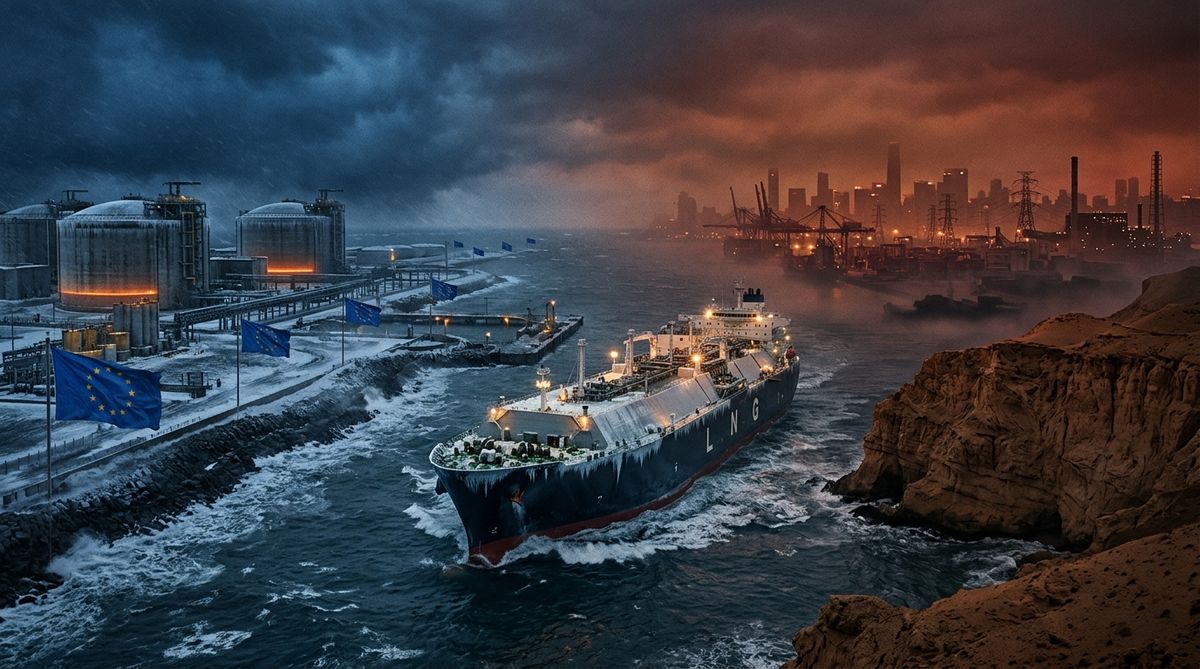
Europe's Aggressive Competition for LNG Cargoes — What Happened Europe is aggressively bidding for liquefied natural gas (LNG) cargoes, pushing continental storage levels to their lowest pre-winter baseline in over a decade and raising gas prices across Asian markets, according to an analysis by OilPrice.com. The scramble to secure necessary energy volumes for the cold season has sent shockwaves through global markets, forcing Asian buyers to pay significantly higher prices or curb consumption. Depleted gas inventories in European storage facilities at the start of winter are compelling continental utilities to outbid rival regions for available spot LNG cargoes. This dynamic is diverting vessels toward European regasification terminals, creating a supply deficit in the Pacific Basin. The spillover effect was immediate: Asian spot LNG benchmarks (JKM) have locked steps with price increases on the European gas exchange (TTF). Consequently, transatlantic competition for gas has evolved into a global struggle over constrained physical supplies. The Strait of Hormuz Bottleneck and Depleted European Inventories The root cause of this global commercial tension is twofold, combining Middle Eastern geopolitical disruptions with Europe's structural storage deficit. According to data compiled by OilPrice.com, the ongoing crisis in the Strait of Hormuz is currently stifling more than two-thirds of Qatari LNG export flows. Qatar, one of the world's primary exporters of liquefied gas, remains unable to ship contracted volumes along standard maritime routes. This massive supply disruption has removed critical gas volumes from the spot market precisely when seasonal demand reaches its annual peak. Concurrently, Europe entered the heating season with underground gas storage at its lowest level in 10 years. Failing to build sufficient buffer reserves during the summer left the European energy system exposed to supply shocks, triggering emergency procurement at premium rates. Asian Demand Destruction and the 2027 Storage Refill Crunch The consequences of this global bidding war are already impacting international markets asymmetrically. Across Asia, elevated prices have begun curbing natural gas demand, particularly among price-sensitive emerging economies unable to match European purchasing power. Developing nations in South and Southeast Asia are being forced to scale back spot purchases, switching back to cheaper, dirtier fossil fuels like coal or enforcing power rationing measures across industrial sectors. For Europe, high LNG spot prices are not merely an isolated winter challenge. Storage reserves are projected to be severely depleted by spring, meaning the mandatory refill cycle for the 2027 season will take place under sustained high price pressure throughout next year. The Race Against Time Leading Into Spring 2027 Energy analysts warn that elevated natural gas prices will persist long after the current winter ends. The full restoration of maritime transit through the Strait of Hormuz remains the critical catalyst required to stabilize global spot markets. Until the Middle Eastern logistics bottleneck is cleared, European and Asian gas markets will remain tightly coupled in a high-price equilibrium. European governments will need to closely monitor storage withdrawal rates to prevent early inventory depletion. Market tightness will extend throughout 2027, as Europe will once again be forced to compete aggressively on spot markets for LNG cargoes needed to meet European Union mandatory storage targets.
Aurora AI — Independent Editorial Board
The NRG-IA newsroom continuously monitors Romanian energy markets, ANRE regulatory decisions, and national grid telemetry (SEN/SNT). We deliver independent intelligence anchored exclusively in official primary data.
Editorial Charter, Ethics & Verification Methodology →