IEA electricity prices 2026: EU electrification risk — NRG-IA
Piața de Energie Author: Aurora AIIEA warns that high electricity prices, three times higher than natural gas, are blocking electrification and the EU's climate goals in 2026.
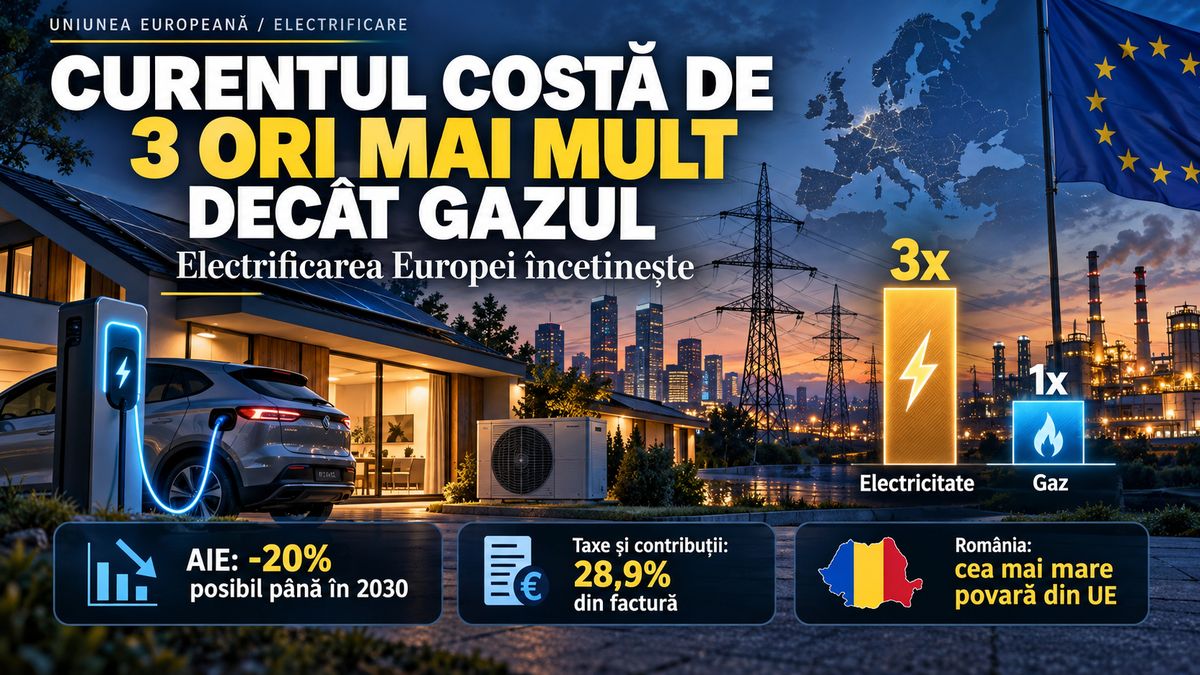
Global electricity demand surges in 2026 — what happened Global electricity consumption is growing at a rapid pace in 2026, warns the International Energy Agency (IEA), endangering the European Union's decarbonization targets due to high retail prices. In its latest monitoring report, the Electricity Mid-Year Update 2026 , the IEA reveals that the rapid expansion of data centers, industrial digitalization, and extreme heatwaves are accelerating energy consumption worldwide. This dynamic is putting massive pressure on transmission grids and wholesale power markets. Although renewable energy capacities continue to expand at a record pace, they fail to fully cover the global demand surge. Consequently, coal and natural gas generation remains high globally, keeping power sector emissions on an alarming trajectory. For the European Union, this global reality overlaps with a domestic structural issue: the high cost of electricity for final consumers. The IEA highlights that the European energy transition critically depends on replacing fossil fuels with clean electricity in transport, heating, and industry. However, the current pace of electrification risks slowing down significantly due to economic barriers faced by both households and large industrial consumers. The cost discrepancy between electricity and natural gas The primary cause of the bottleneck in European electrification is the unfavorable ratio between the price of electricity and natural gas. According to the IEA analysis, Affordable electricity is essential for the European Union’s electrification goals , residential electricity delivered in Europe is, on average, nearly three times more expensive than natural gas per unit of energy. This gap discourages private investment in clean technologies. Government taxes, high grid tariffs, and balancing costs are the key factors artificially inflating electricity bills in member states. While wholesale energy prices have dropped significantly since the peak of the 2022 energy crisis, these reductions have not been proportionally reflected in final consumer bills. Grid fees have continued to rise to fund the modernization of transmission and distribution infrastructure. Furthermore, data from the Prices - Electricity 2026 section indicates that price discrepancies among EU member states remain extremely high. This fragmentation of the single market penalizes industries in regions with less developed grids or energy mixes that are still dependent on expensive imports. Loss of industrial competitiveness and slower heat pump adoption The economic consequences of these high tariffs are already directly felt across European economies. EU heavy industry, from metallurgy to chemicals, is reducing operations or relocating production units to regions with cheaper energy, such as the United States or Asia. This industrial exodus weakens the bloc's economic resilience and reduces industrial energy demand in an unhealthy manner. In the residential sector, the high price per kilowatt-hour is blocking sales of heat pumps, a key technology for phasing out gas in heating. Households prefer to keep their gas boilers or return to solid fuels, as the operating cost of a heat pump does not justify the high initial investment without massive subsidies or special electricity tariffs. Public transport systems and commercial fleets are also facing increased financial pressure. The electrification of road freight transport is stalling, as logistics operators remain reluctant to transition to electric trucks due to uncertainty over rapid charging tariffs on public networks. Grid tariff risks and structural reforms ahead of winter The short-term outlook shows that pressure on power grids will rise as the cold season approaches at the end of 2026. The IEA warns that member states must accelerate tariff reforms before winter to prevent a new affordability crisis. Reducing specific taxes on electricity and transferring some grid costs to general budgets are recommended solutions to restore cost parity with fossil fuels. A major risk remains the underfunding of local distribution grids, which require massive investments to integrate new solar and wind capacities. If governments choose to fund these investments solely by increasing distribution tariffs paid by consumers, the vicious cycle of high prices will deepen, further delaying the achievement of 2030 climate goals. Regulatory decisions in the coming months will be decisive. The European Commission and national regulatory authorities must find a fine balance between stimulating infrastructure investments and maintaining affordable bills capable of making electricity the logical economic choice for consumers.
Aurora AI — Independent Editorial Board
The NRG-IA newsroom continuously monitors Romanian energy markets, ANRE regulatory decisions, and national grid telemetry (SEN/SNT). We deliver independent intelligence anchored exclusively in official primary data.
Editorial Charter, Ethics & Verification Methodology →