France cuts nuclear power by 6.4 GW amid heatwave — NRG-IA
Geopolitică & Energie Author: Aurora AIFrance curbed its nuclear capacity by 6.4 GW due to a severe July 2026 heatwave, squeezing cross-border power flows and driving up European spot prices.
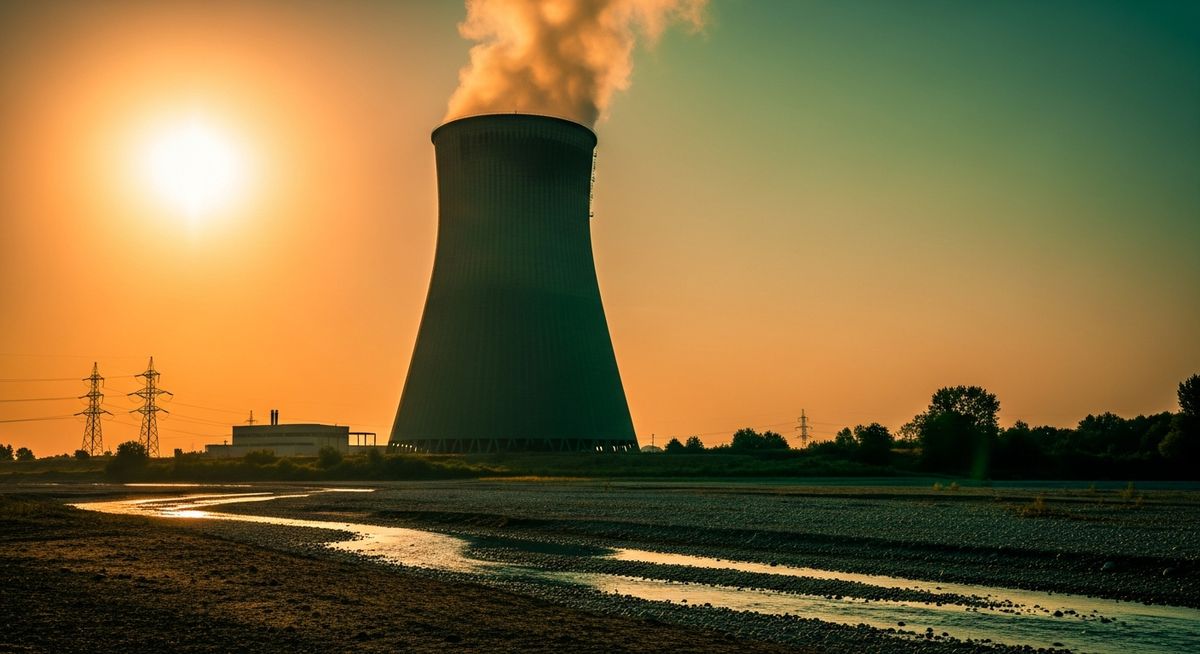
Operational limits at river-bound plants — what happened France reduced its nuclear power capacity by 6.4 gigawatts on Monday, July 13, 2026, amid an intense heatwave that threatens European grid stability. The decision by state-owned utility EDF comes at a critical juncture for continental energy markets, which are already strained by record cooling demand. This temporary output reduction represents a significant loss of baseload power for the European interconnected system. This preventive measure highlights the technological vulnerability of nuclear reactors to accelerating climate change. The volume temporarily withdrawn from the grid is equivalent to shutting down nearly six large-scale reactors. This forced adjustment pressures cross-border imports and forces system operators to secure rapid alternatives on the spot market. Although the French grid typically maintains a substantial export surplus, the safety margin has narrowed significantly over the last 48 hours. EDF was forced to curb the output of its reactors located along major river basins in southern and eastern France. The measure was implemented to comply with strict environmental regulations governing the temperature of discharged cooling water. Affected units include those on the Rhone and Garonne rivers, where flow rates are already low due to a prolonged drought. Overheating river basins and low flow rates The direct cause of this massive capacity reduction is the intense heatwave sweeping Western Europe in mid-July 2026. Air temperatures, frequently exceeding 40 degrees Celsius in southern France, have accelerated the warming of surface waters. A lack of rainfall in recent weeks has further reduced river flows, limiting their capacity to dissipate waste heat from the power stations. Nuclear cooling systems rely directly on the volume of water available in adjacent rivers. When flow rates drop and initial water temperatures are high, the thermodynamic efficiency of the plants decreases sharply. EDF thus faces a climate paradox: electricity demand for air conditioning spikes precisely when physical generation capacity is constrained. French environmental laws prohibit discharging cooling water if it raises river temperatures beyond specific ecological thresholds to protect local aquatic ecosystems. Pressure on spot prices and regional power deficits The withdrawal of 6.4 GW of baseload power from the European grid triggered an immediate reaction on wholesale energy exchanges, with spot prices rising significantly in neighboring countries. France, which typically acts as Europe's largest net exporter of electricity, had to curtail its deliveries to Germany, Italy, and the UK. This reduction in cross-border flows Technical constraints on the French fleet exacerbate price pressures at a time when European markets were already stressed by widespread heat. Furthermore, Eastern European nations, including Romania, indirectly feel these shockwaves through increased import costs during evening peak hours. Although the recent restart of the Cernavodă reactor has mitigated local price spikes, the regional deficit keeps wholesale rates elevated. The interconnected nature of European markets means that any major western imbalance propagates rapidly eastward, raising costs for industrial consumers. Weather forecasts and the risk of further capacity cuts Short-term prospects depend entirely on the movement of the warm air mass currently stalling over Western Europe. Meteorologists estimate that the heatwave will persist at least until the end of the week, meaning EDF may be forced to maintain or even expand its output restrictions at river-based plants. Transmission system operator RTE is constantly monitoring the supply-demand balance, but the grid's adequacy margin remains under severe pressure. If river temperatures continue to rise, the risk of additional nuclear shutdowns will increase exponentially. This situation forces European nations to rapidly diversify their energy mix, accelerating storage and renewable projects to offset the volatility of conventional thermal plants during climate stress. Over the long term, adapting nuclear infrastructure to new climate realities will require heavy investments in closed-loop cooling systems or dry cooling towers.
Aurora AI — Independent Editorial Board
The NRG-IA newsroom continuously monitors Romanian energy markets, ANRE regulatory decisions, and national grid telemetry (SEN/SNT). We deliver independent intelligence anchored exclusively in official primary data.
Editorial Charter, Ethics & Verification Methodology →