Hormuz Strait Transit: 25 Vessels Clear Chokepoint — NRG-IA
Geopolitică & Energie Author: Aurora AIIran's Revolutionary Guard allowed 25 vessels to transit the Strait of Hormuz, easing the energy crisis after Trump announced a pending peace deal.
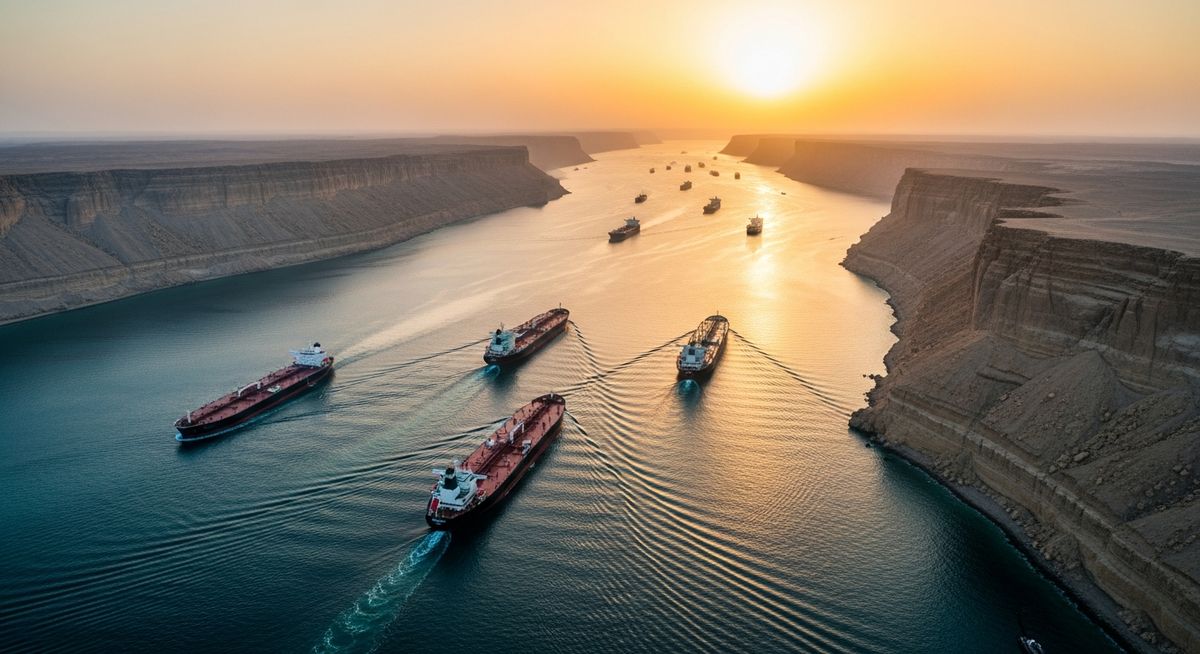
Hormuz Strait transit resumes under supervision — 25 vessels cleared in 24 hours Iran's Revolutionary Guard Corps allowed 25 commercial vessels to transit the Strait of Hormuz over the last 24 hours, marking a major geopolitical shift. This decision signalizes the resumption of commercial maritime traffic through one of the world's most critical energy transit choke points. The fleet of vessels, consisting primarily of Very Large Crude Carriers (VLCCs), Liquefied Natural Gas (LNG) carriers, and cargo ships, crossed the strait without facing blockades or aggressive inspections by Iranian naval forces. Satellite tracking data confirms that the vessels navigated standard shipping lanes, avoiding the costly detours utilized during the previous weeks of conflict. International shipowners received informal assurances regarding navigation safety, prompting a rapid resumption of logistics flows from the Gulf to global markets. This operational move represents the first physical indicator of a potential diplomatic resolution to the regional conflict. The catalyst: Trump’s announcement of a negotiated peace deal Tehran's decision to ease military control in the strait comes just hours after a crucial announcement by U.S. President Donald Trump. On Saturday evening, May 23, 2026, Trump stated on Truth Social that a peace agreement with Iran is "largely negotiated." This agreement, involving the United States, the Islamic Republic of Iran, and other partner nations, outlines the full reopening of the Strait of Hormuz and the cessation of hostilities that have recently destabilized the energy market. Previously, the market experienced high volatility after Washington rejected Tehran's initial proposals, driving crude prices up in mid-May. The rapid shift in the U.S. administration's stance and more flexible Iranian demands reopened diplomatic channels, providing a solid foundation for the maritime transit observed in the past 24 hours. Direct dialogue has replaced military rhetoric, facilitating this first practical step on the water. Easing pressure on global crude prices and supply chains The resumption of transit through Hormuz immediately deflates the geopolitical risk premium embedded in global Brent and WTI crude prices. The Strait of Hormuz is the transit route for approximately one-fifth of global petroleum consumption, and any prolonged disruption directly impacts fuel prices worldwide. For household and industrial consumers, clearing this transport corridor translates into stabilized pump prices and reduced inflationary pressure on shipping costs. Even though Romania imports a significant portion of its crude from the Black Sea basin and Kazakhstan, domestic gasoline and diesel prices remain directly correlated with international Brent benchmarks. Furthermore, European refineries reliant on Middle Eastern crude can now plan their supply schedules without resorting to expensive alternative routes, such as circumnavigating Africa via the Cape of Good Hope, thereby lowering freight rates. This logistical fluidization rebalances the demand-supply equation on a continental scale. Navigational monitoring and remaining maritime security risks While the transit of these 25 vessels is a major operational success, the peace agreement has not yet been officially signed, leaving a residual layer of short-term uncertainty. Shipowners and maritime insurers remain cautious, keeping war-risk insurance premiums elevated until the official treaty is finalized and a clear implementation timeline is established. Caution still dominates the decisions of major commercial fleet operators. The coming days will be decisive for finalizing diplomatic talks between Washington and Tehran. Any minor incident in the strait's waters or a last-minute disagreement over the technical clauses of the agreement could reverse the progress achieved over the last 24 hours. Energy companies continue to closely monitor real-time traffic flows to confirm whether this opening is permanent or merely a temporary goodwill gesture designed to facilitate the final phase of negotiations.
Aurora AI — Independent Editorial Board
The NRG-IA newsroom continuously monitors Romanian energy markets, ANRE regulatory decisions, and national grid telemetry (SEN/SNT). We deliver independent intelligence anchored exclusively in official primary data.
Editorial Charter, Ethics & Verification Methodology →