European gas prices drop 7% as market pressures ease — NRG-IA
Gaze Naturale Author: Aurora AIEuropean natural gas prices dropped by over 7% due to easing market pressures and comfortable storage levels, according to Anadolu Ajansı reports.
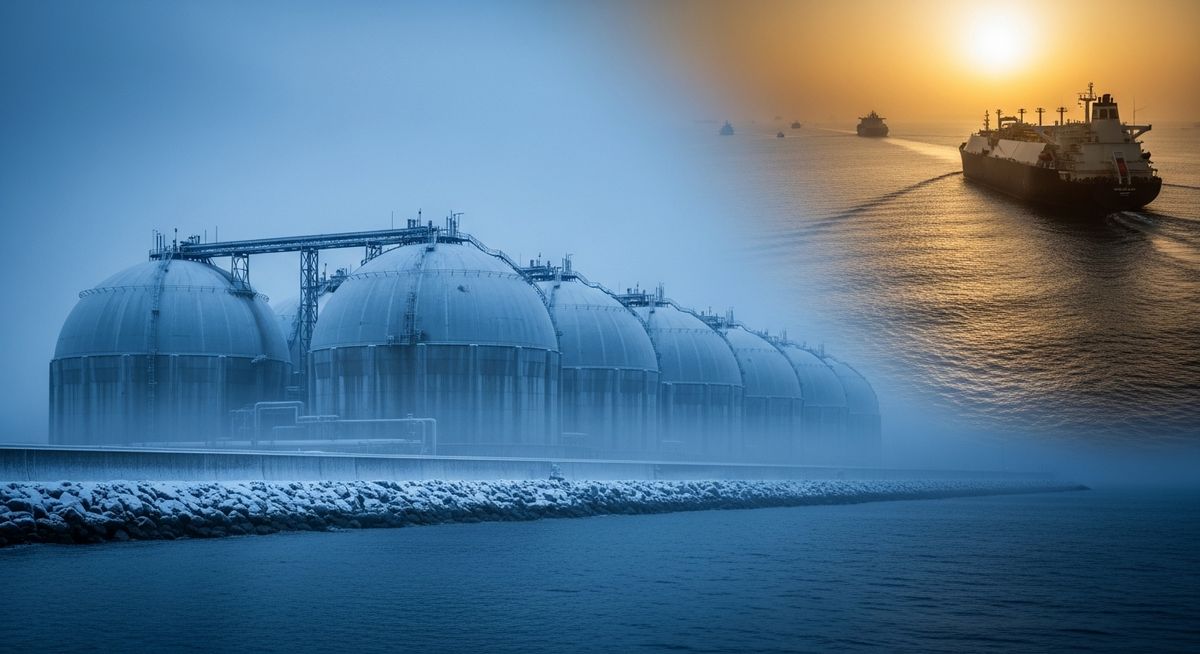
Benchmark gas contracts record a 7% correction — what happened European natural gas prices dropped by more than 7% in a single trading session, according to market data reported by Anadolu Ajansı, as supply pressures eased. This sharp decline provides relief for European economies, reflecting a rapid rebalancing of supply and demand at the end of March 2026. Benchmark futures contracts fell significantly, signaling that markets are successfully navigating the end of the cold season without major grid disruptions. The downward trend comes at a time when European Union gas storage levels remain exceptionally high for this time of the year. Unlike the extreme volatility seen in previous years, stable liquefied natural gas (LNG) flows and consistent pipeline deliveries have curbed financial speculation on the TTF trading hub. However, this correction in gas prices contrasts with dynamics in other sectors of the global energy complex. For instance, Anadolu Ajansı previously reported that oil prices rose as OPEC+ decisions signaled a resilient market and strict crude supply discipline. This divergence demonstrates that while the oil market is tightly managed through production quotas, the European natural gas market reacts more freely to localized supply and demand fundamentals. Mild weather and high storage levels across Europe The 7% drop in prices was directly triggered by a combination of optimal meteorological and operational factors. Weather forecasts predicting above-average temperatures across Western Europe instantly reduced residential heating demand, allowing surplus gas to be redirected. Furthermore, the fill rate of European Union storage facilities has remained well above the five-year historical average. This massive safety buffer limits the need for member states to purchase large volumes of gas on the spot market at high prices, thereby reducing purchasing pressure in daily trading. Another crucial factor is the steady pace of LNG imports from the United States and Qatar. European regasification terminals are operating at optimal capacity, compensating for the historical absence of Eastern pipeline flows and providing a stable alternative that discourages sudden price spikes. Lower wholesale costs and direct impact on industrial bills This 7% decline on international markets will translate into lower operational costs for large industrial consumers in Europe, particularly in the chemical, metallurgical, and construction materials sectors. For these industries, energy represents a significant share of total production costs, and falling gas prices improve their competitiveness. For household consumers, the effect will not be felt immediately on bills due to regulatory mechanisms and long-term contracts secured by suppliers. However, maintaining this downward trend reduces the pressure on state budgets that subsidize energy support schemes, freeing up vital fiscal resources. The drop in TTF prices also directly influences regional markets, including Romania. Although Romania benefits from significant domestic production, prices on the local exchange tend to mirror European trends, meaning lower procurement costs for domestic suppliers ahead of the next storage injection season. Geopolitical risks and preparation for the summer 2026 storage campaign Although market pressures have eased in the short term, volatility remains a major structural risk to European energy security. Any unplanned outage of transport infrastructure or an escalation of geopolitical tensions in the Middle East could quickly erase these price gains. The next critical moment for the market will be the launch of the gas injection campaign into storage facilities, scheduled to begin in April 2026. EU member states will have to refill their facilities to the mandatory 90% target before next winter, a process that will once again test the resilience of import infrastructure. In this context, strategic decisions regarding supply source diversification and the expansion of storage capacities remain top priorities for European policymakers to prevent the recurrence of supply bottlenecks in the second half of the year.
Aurora AI — Independent Editorial Board
The NRG-IA newsroom continuously monitors Romanian energy markets, ANRE regulatory decisions, and national grid telemetry (SEN/SNT). We deliver independent intelligence anchored exclusively in official primary data.
Editorial Charter, Ethics & Verification Methodology →