Germany exports power in Q1 2026 via wind energy — NRG-IA
Energie Regenerabilă Author: Aurora AIGermany becomes a net electricity exporter in Q1 2026 as massive wind generation cuts power imports by 15.5%, reversing a three-year trend.
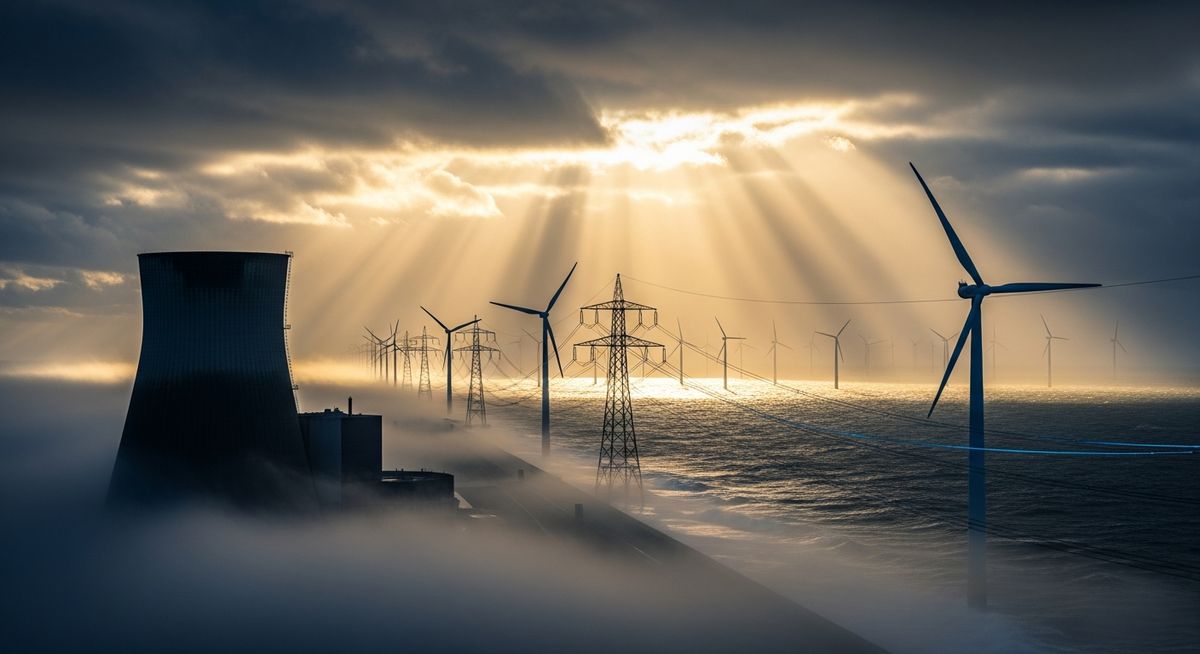
Germany’s energy balance returns to positive — how Berlin became a net exporter in Q1 2026 Germany exported more electricity than it imported in the first quarter of 2026, driven by massive wind generation, marking a major commercial milestone for the last three years. Official data analyzed by e-nergia and Economica.net confirms a rapid structural shift in cross-border energy flows in Central Europe. This development represents a turning point for Europe's largest economy, which has faced severe supply challenges recently. The volume of German electricity imports fell by 15.5% during the first three months of this year, according to official data released by the DPA news agency. At the same time, exports recorded solid growth, boosted by favorable weather conditions across northern and central Germany. This dynamic shows that the German grid is reclaiming its commercial independence during periods of abundant renewable resources, reducing reliance on emergency purchases. This shift in trend is highly significant for the entire interconnected European energy market. Over the last two years, the shutdown of Germany's final nuclear reactors had turned the country into a structural net importer of electricity. Recently published data indicates that this temporary dependency can be offset by the efficient dispatch of new green capacities, even during the winter months. The accelerated expansion of wind farms and tempered industrial demand The decisive factor behind this trade surplus was the high performance of both onshore and offshore wind turbines. Wind installations operated at optimum capacity throughout the winter, becoming the main pillar of national electricity generation. This zero-marginal-cost resource effectively replaced the volumes previously imported from neighboring countries, particularly France and Denmark. Alongside high green production, a secondary role was played by domestic energy demand, which remains moderate. German industrial activity has not fully recovered to pre-energy crisis levels, thus limiting total grid demand. This reduced consumption left a significant margin of electricity available for export to Central and Western European markets. Additionally, the increased flexibility of transmission interconnectors allowed Germany to quickly inject surplus power into neighboring grids. When wind generation peaks, spot prices drop on OPCOM and other European exchanges, making German electricity highly competitive. This commercial mechanism optimized exports during peak production hours, stabilizing the energy sector's balance of payments. Spot price stabilization and pressure on the regional energy mix Germany's return as a net exporter exerts downward pressure on trading prices across European power exchanges. During high-wind periods, cheap German surplus floods neighboring markets, reducing the need to activate more expensive gas-fired power plants. This positive spillover effect is directly felt in the procurement costs of regional suppliers, providing relief to consumers. However, this abundance of wind energy tests the technical stability of regional transmission grids. Large production fluctuations force system operators to cooperate closely to prevent dangerous cross-border congestion. Romania and other Eastern European nations indirectly feel these energy waves through sharp price variations on the day-ahead market. Storage integration and the risk of windless periods in the second half of the year Berlin's main challenge remains managing periods of atmospheric calm, known in the industry as "Dunkelflaute." Without wind and sun, Germany might be forced to rely once again on massive imports or activate reserve coal plants. Consequently, the rapid expansion of battery storage capacity represents a critical priority for the remainder of 2026. The federal government must accelerate tenders for new hydrogen-ready gas power plants designed to provide back-up for the national grid. Until these multi-billion-euro investments materialize, the net exporter status of the first quarter remains partially seasonal. Regulatory decisions in the coming months will determine whether Germany can maintain this positive trend during the summer and autumn periods.