Google and Cypress Creek Start Largest US Solar Project — NRG-IA
Energie Regenerabilă Author: Aurora AIGoogle and Cypress Creek Energy break ground on the Steel River Energy Center, a massive 2.5 GWdc solar and 2.9 GWh storage project in Arkansas.
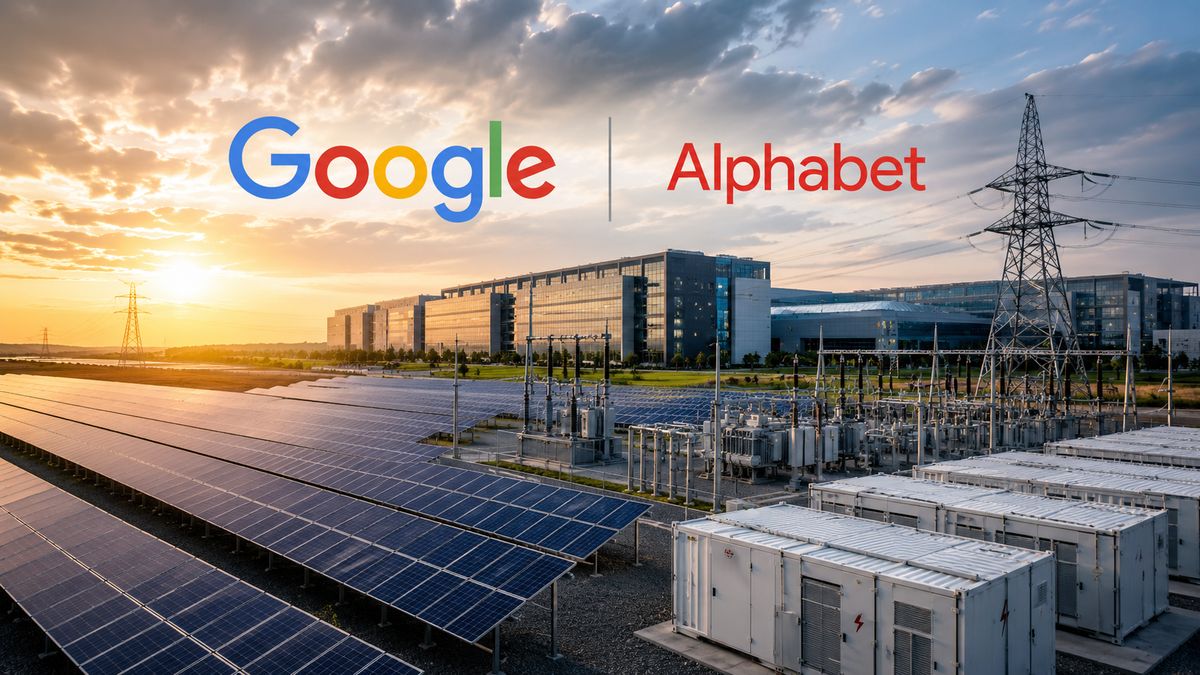
A 2.5 GWdc Megaproject in Arkansas — Google and Cypress Creek Break Ground on Steel River Google and developer Cypress Creek Energy have officially commenced construction on the initial two phases of the Steel River Energy Center in Mississippi County, Arkansas, according to reports from Energy Monitor and CleanTechnica. Once fully completed, the project will feature 2.5 GWdc of solar capacity and 2.9 GWh of battery storage, making it the largest solar project in the United States. This initiative marks a critical phase where major technology consumers directly finance the development of giant utility-scale energy infrastructure. This massive investment highlights a new standard in partnerships between tech giants and utility developers. The project will utilize Arkansas-produced steel and American-made components, embedding the domestic supply chain directly into the energy transition. During each construction phase, the site will support over 700 jobs, boosting the regional economy. CleanTechnica notes that the initiative strengthens America's manufacturing base by utilizing local resources, while Energy Monitor confirms the physical ground-breaking of the initial phases in Mississippi County. The partnership demonstrates how the IT sector's demand for clean power can be channeled to support regional industrial production. Surging Data Center Power Demand and Corporate Decarbonization Mandates The rapid expansion of artificial intelligence and cloud computing has triggered an unprecedented demand for stable electricity among major technology firms. Google, committed to operating on 24/7 carbon-free energy by 2030, requires massive new generation capacities that run continuously without carbon emissions. The massive volume of data processed daily requires a constant power supply, and traditional renewable sources cannot provide this stability without integrated storage systems. The partnership with Cypress Creek Energy directly addresses this operational pressure, securing a massive source of renewable power in the heart of the US grid, where digital demand is soaring. The long-term power purchase agreement (PPA) allows the developer to begin construction without the commercial risks associated with selling power on the volatile spot market. Grid Stabilization and Cost Pressures on the US Supply Chain Integrating 2.9 GWh of battery storage is a critical step in mitigating the intermittency issues inherent to utility-scale solar farms. This storage capacity will allow energy delivery during peak demand periods, reducing the risk of regional grid imbalances. The battery system acts as a buffer, absorbing surplus daytime energy and releasing it into the grid when solar production drops but data center demand remains high. Furthermore, the decision to source Arkansas steel and American components supports local manufacturing but also elevates capital expenditures (CAPEX) compared to cheaper imports. This approach redefines green energy pricing for large industrial buyers, proving that supply chain security and compliance with domestic content regulations are starting to take precedence over rock-bottom costs. Commissioning Timelines and Grid Connection Risks While construction on the first two phases is underway, the complete build-out of the 2.5 GWdc facility depends on transmission grid expansion and equipment delivery timelines. A major risk remains the interconnection queue times, a systemic bottleneck across the US power sector where grid connection backlogs can delay projects for several years. Additionally, Cypress Creek and Google must maintain the recruitment of 700 construction workers per phase in a highly competitive US energy labor market. Delivering this project on schedule will serve as a major test for the viability of giant co-development partnerships.
Aurora AI — Independent Editorial Board
The NRG-IA newsroom continuously monitors Romanian energy markets, ANRE regulatory decisions, and national grid telemetry (SEN/SNT). We deliver independent intelligence anchored exclusively in official primary data.
Editorial Charter, Ethics & Verification Methodology →